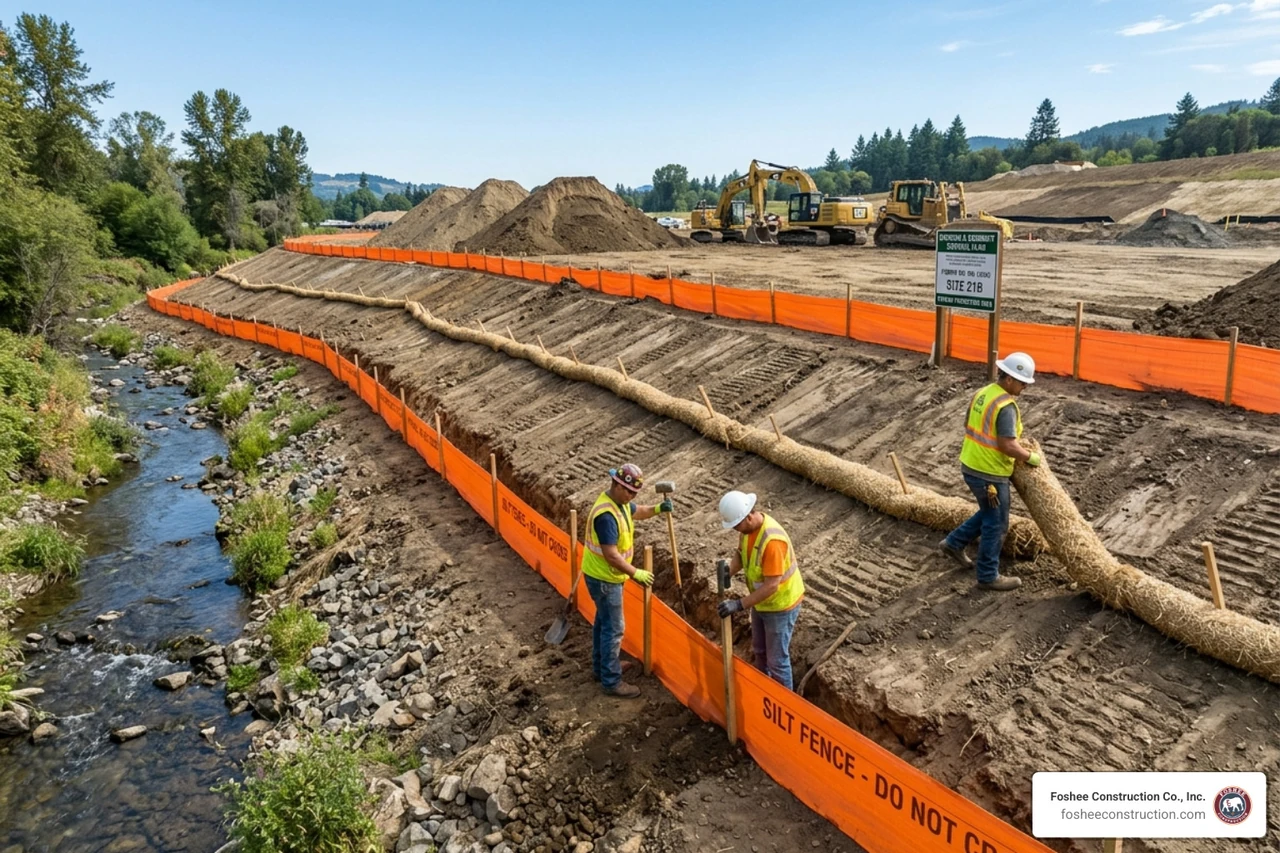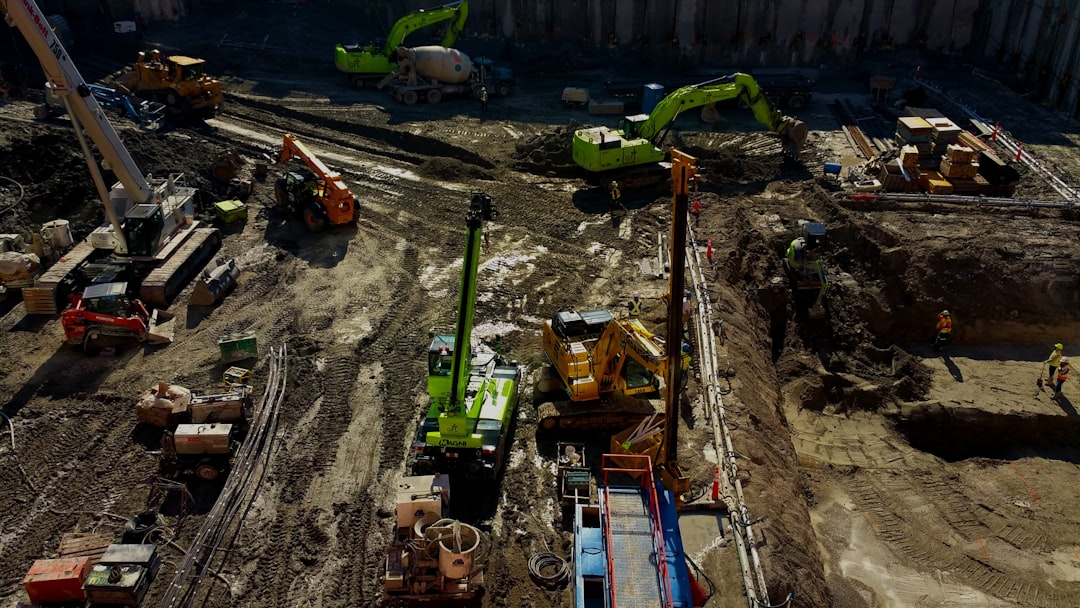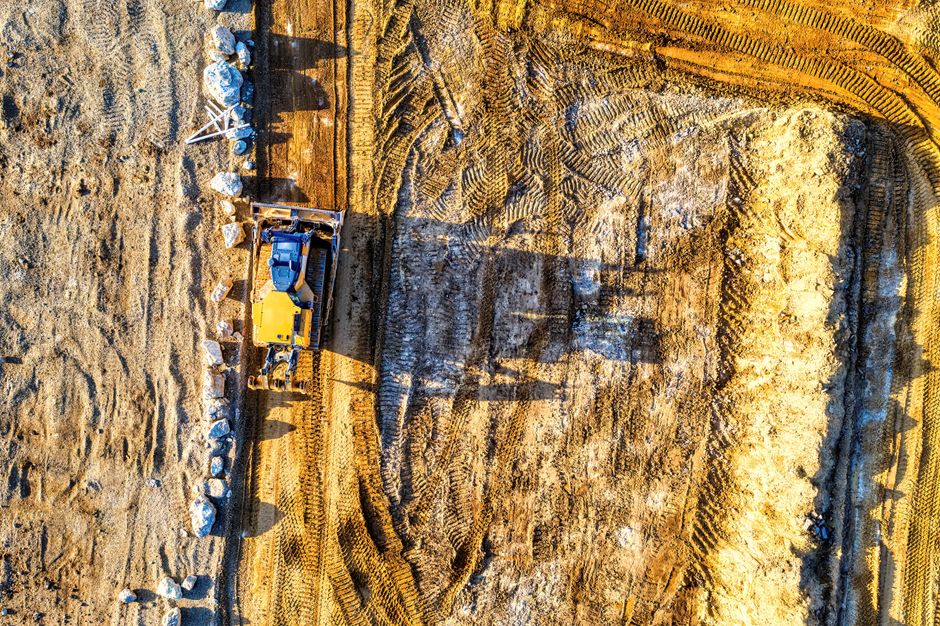
Driveway grading contractors reshape and stabilize the surface and base of a driveway to control drainage, prevent erosion, and create a long-lasting driving surface. Here is what to know before you hire one:
What the best grading contractors should offer:
A poorly graded driveway is more than an eyesore. When drainage and base problems go unaddressed, runoff carves ruts, washouts deepen, and repair costs compound fast. Research shows that neglected unpaved roads can require three to five times more in repair costs after heavy storms compared to properly maintained surfaces. For general contractors and developers, a bad driveway can delay ground breaks, create liability, and derail schedules before a single structure goes up.
The fix is not always more gravel. It starts with understanding what is happening underneath.
I'm Don Larsen, and at Foshee Construction Co., Inc. we have been delivering site preparation and grading work across Central Florida since 1994, including the kind of disciplined base work and drainage integration that driveway grading contractors too often skip. In the sections below, I'll walk you through exactly what professional grading involves, how to spot quality work, and what it should cost.
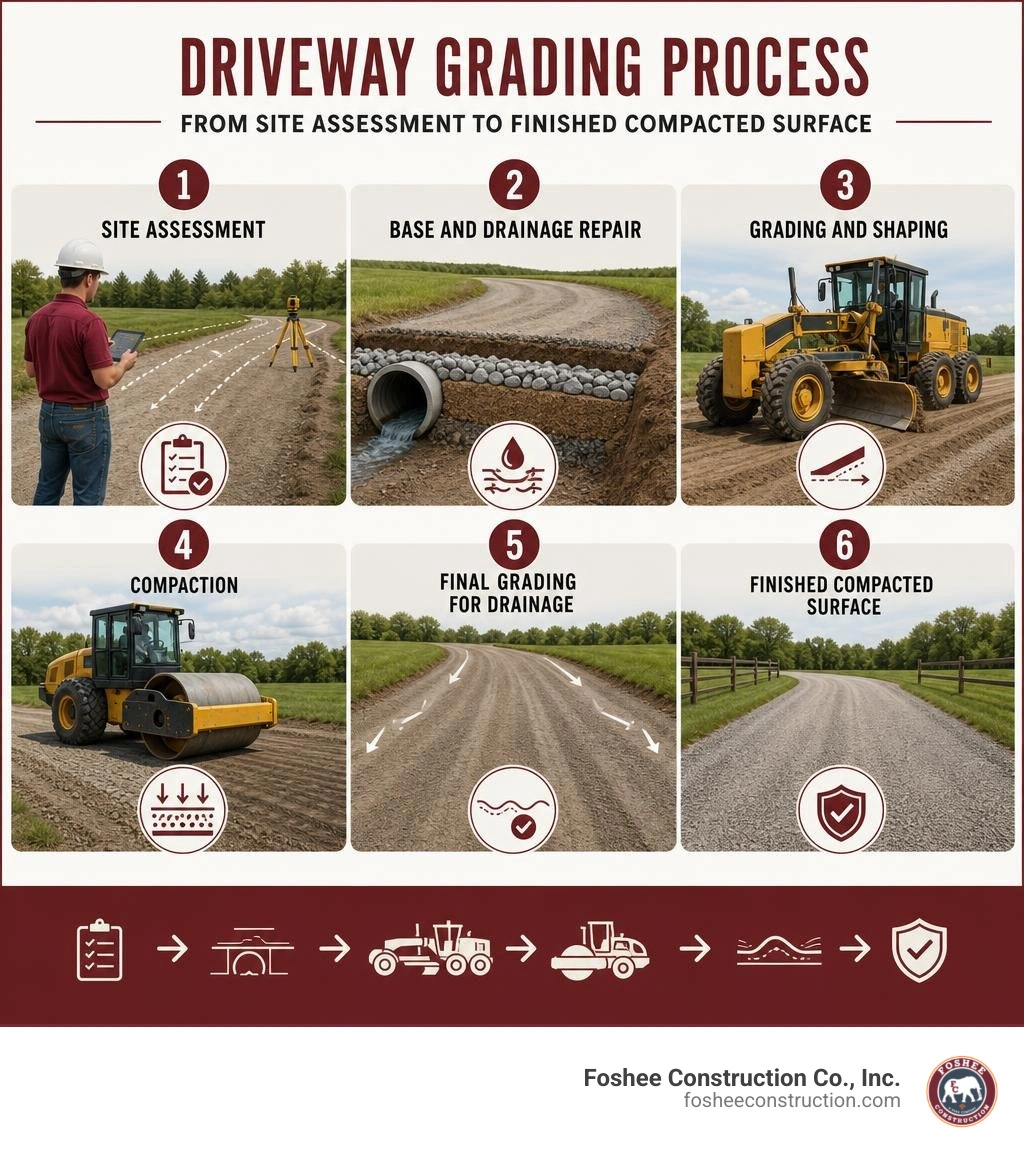
Common driveway grading contractors vocab:
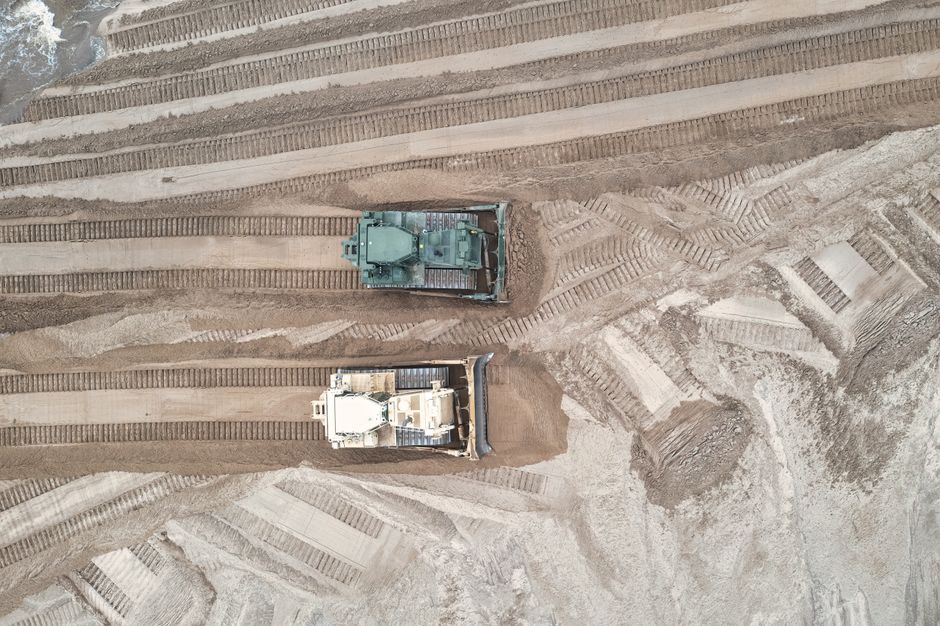
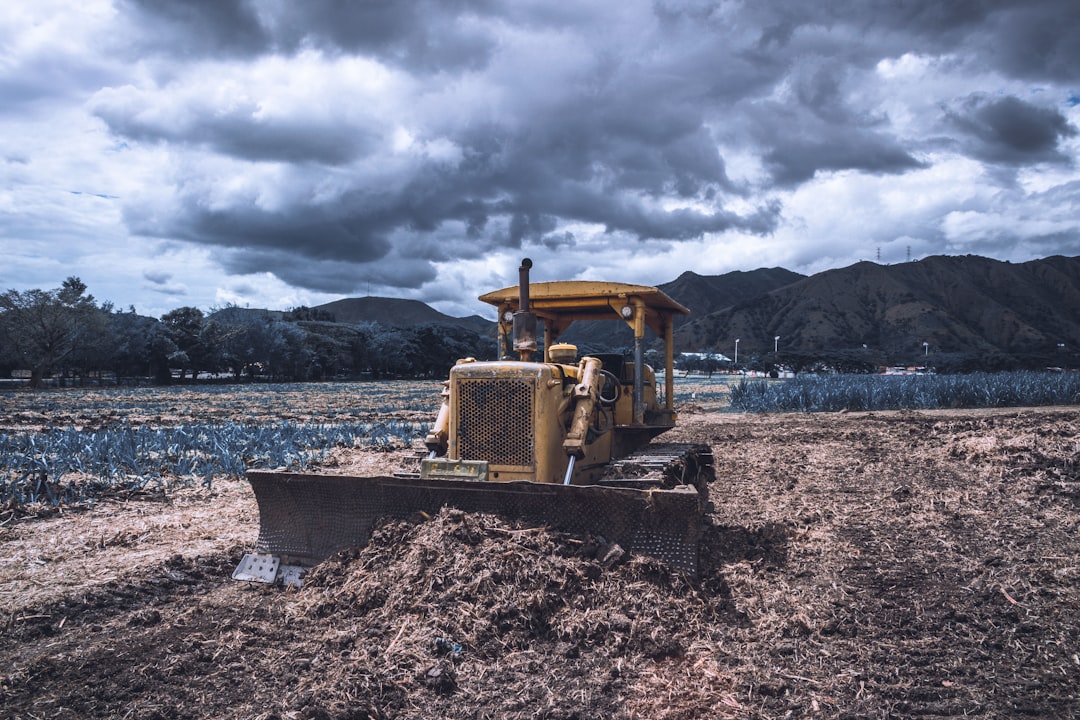
Many property owners think of driveway maintenance as a simple cosmetic chore. When potholes appear, the temptation is to dump a fresh load of gravel into the depressions, smooth it over with a rake, and call it a day. However, without addressing the underlying foundation, this quick fix is temporary at best. In rainy climates like Florida, a single heavy afternoon downpour can wash that new material straight into your ditches, leaving you right back where you started.
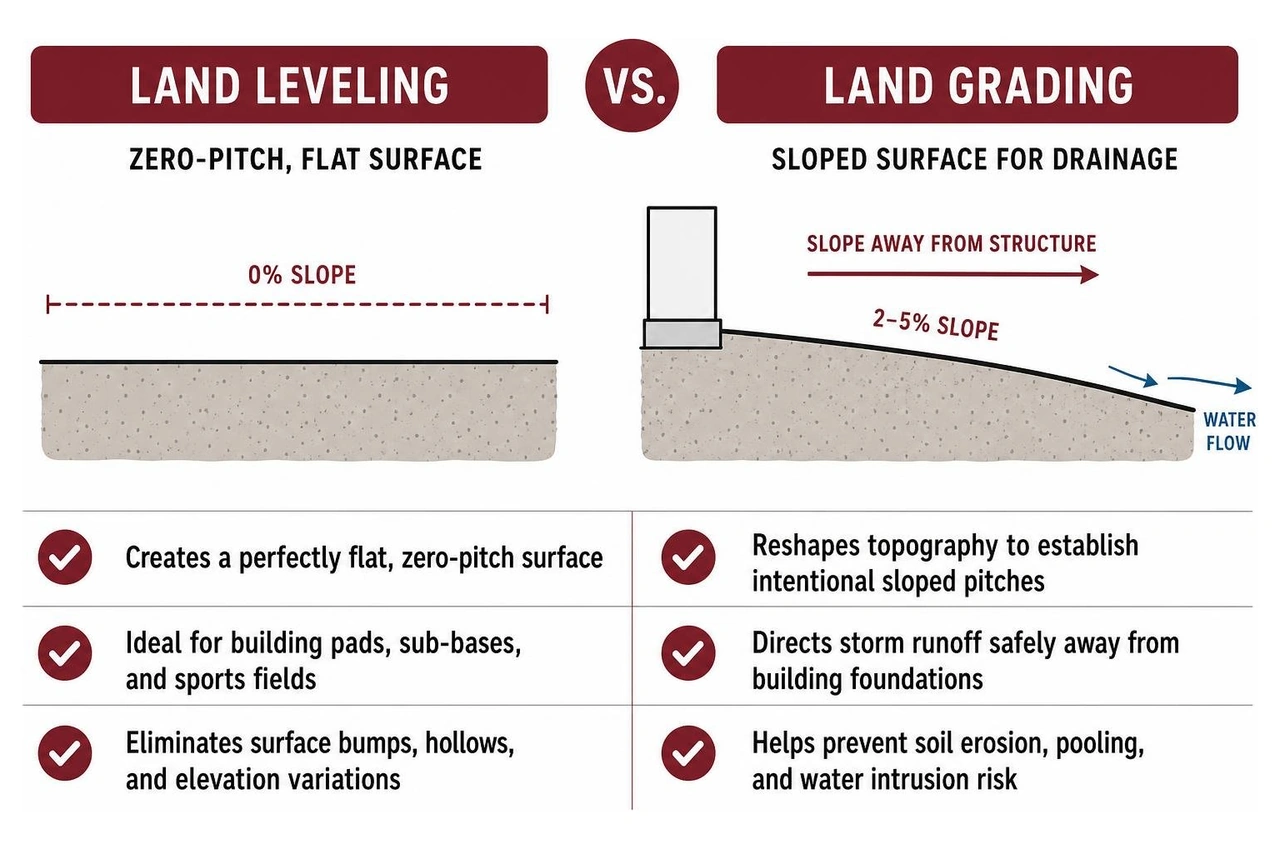
Hiring professional driveway grading contractors is the single most effective step you can take to ensure long-term driveway longevity. Proper grading works by reshaping the land to manage water runoff, which is the primary enemy of any driving surface. When water pools on a flat or uneven driveway, it saturates the soil beneath, softening the subgrade and leading to structural failure.
Professional grading does more than just smooth the surface; it builds a protective barrier for your entire property. By directing water away from your driving lanes and home, expert grading provides crucial foundation protection. In fact, professional land grading prevents foundation damage and erosion, saving homeowners an average of $5,000–$15,000 in future repairs. When you invest in professional Driveway Grading Services, you are protecting your home’s structural integrity.
When planning a grading project in Florida, it is essential to work with licensed and insured professionals who understand local soil conditions and environmental regulations to ensure your project is handled by qualified regional experts.
Knowing when your driveway needs a complete regrade versus a simple surface touch-up will save you time and money. Here are the clear signs that it is time to call in the professionals:
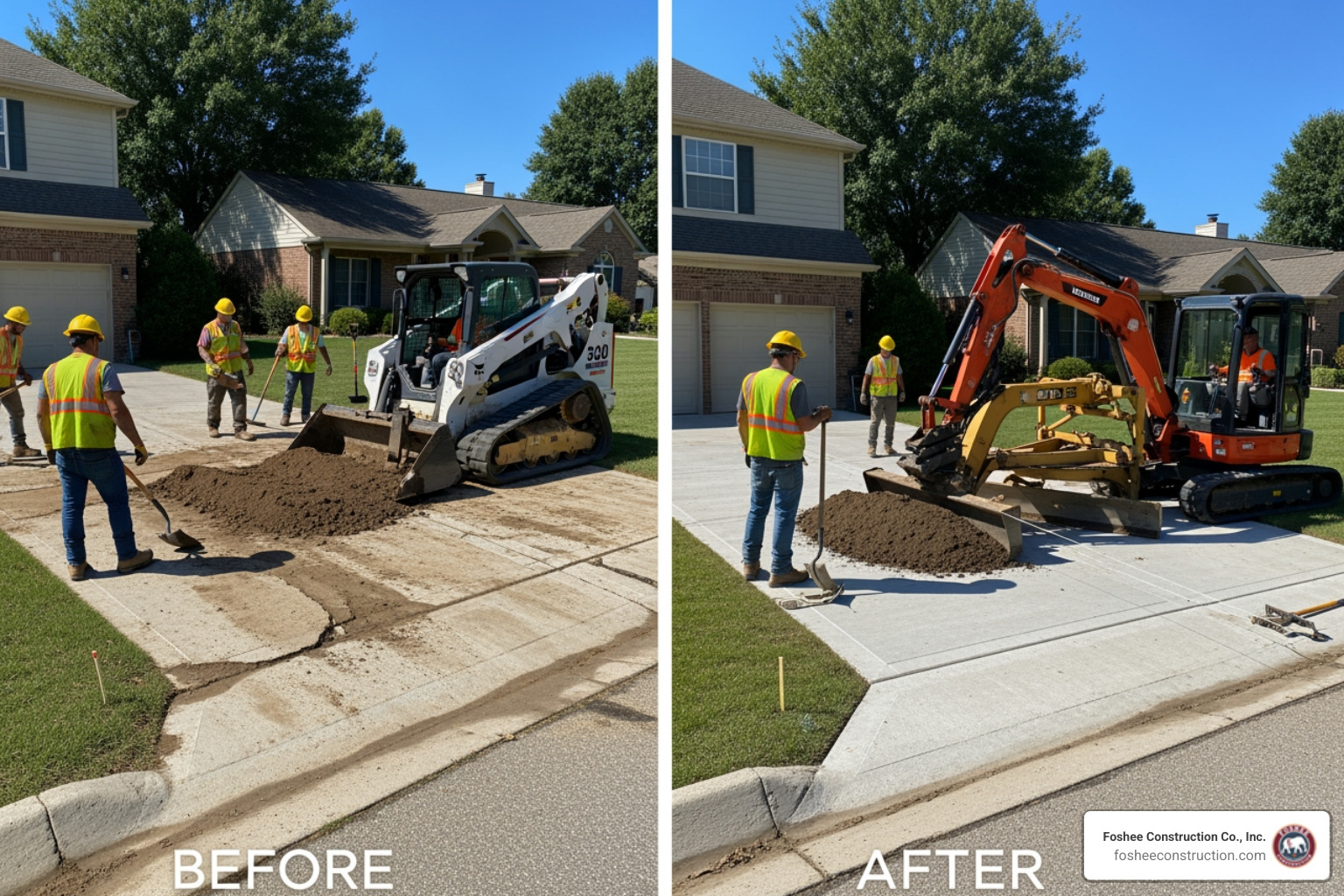
One major benefit of hiring skilled contractors is gravel reclamation. Over time, vehicle traffic pushes valuable aggregate into the grassy shoulders of your driveway. Experienced operators can use specialized blades to pull this lost gravel back onto the roadbed, blending it with the base and saving you thousands of dollars in new material costs. To learn more about identifying these structural issues, check out our Grading Contractors Complete Guide.
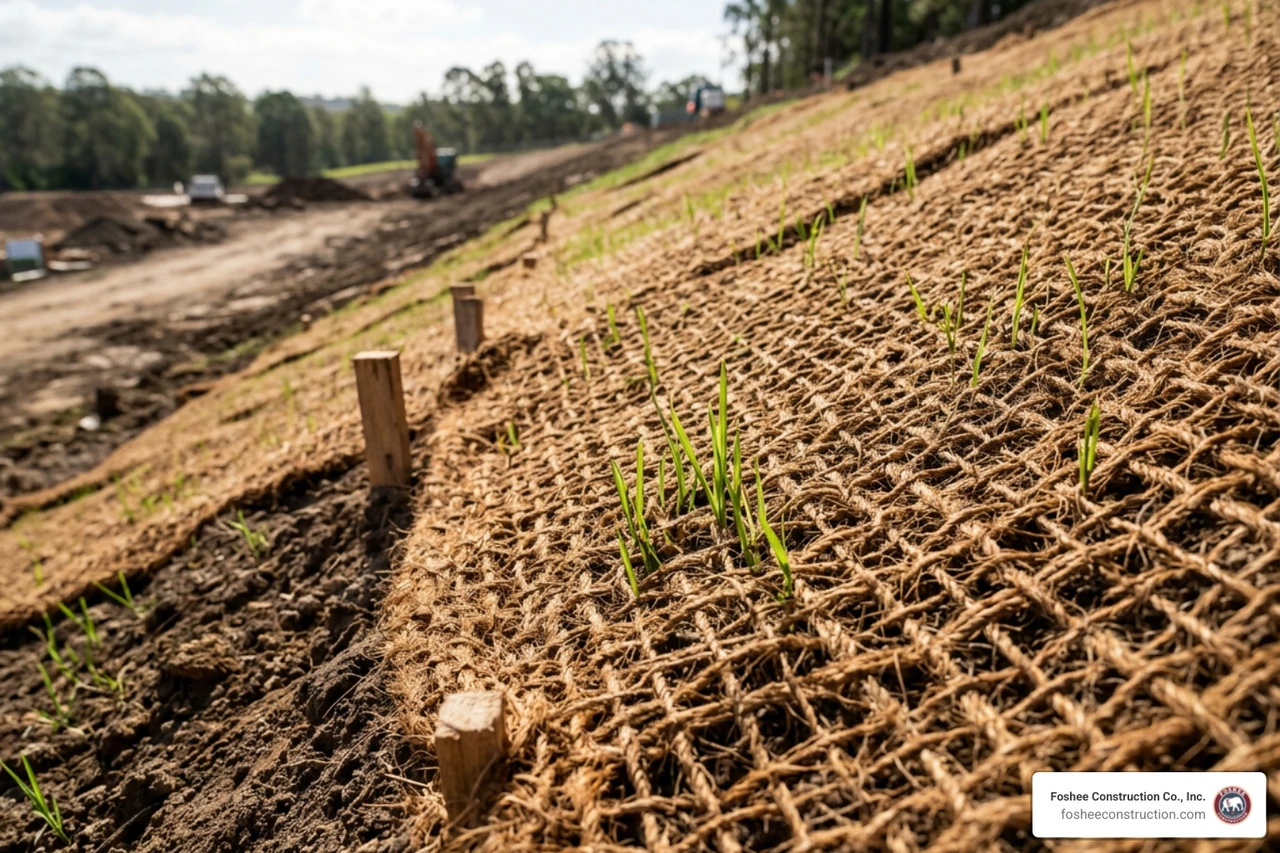
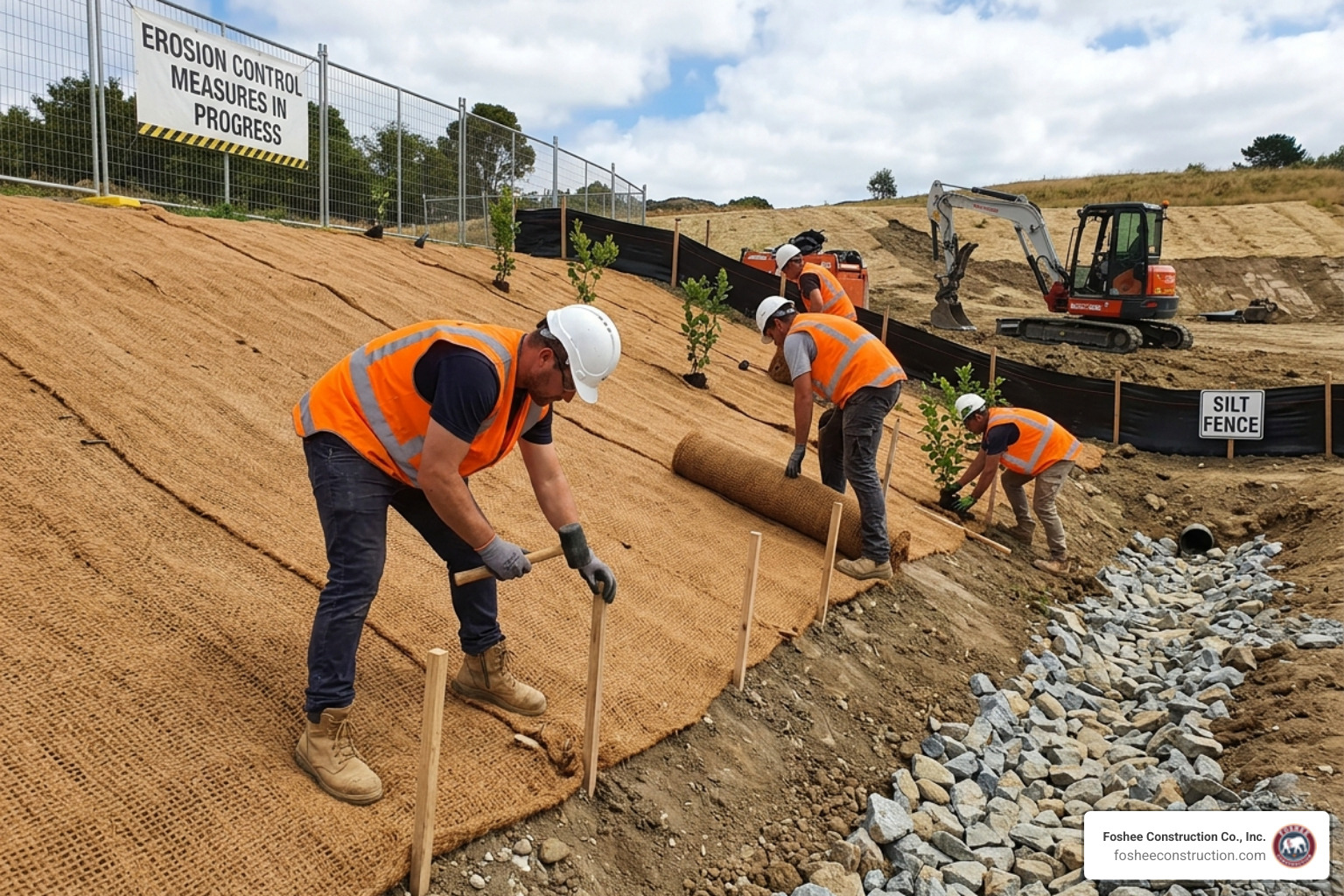
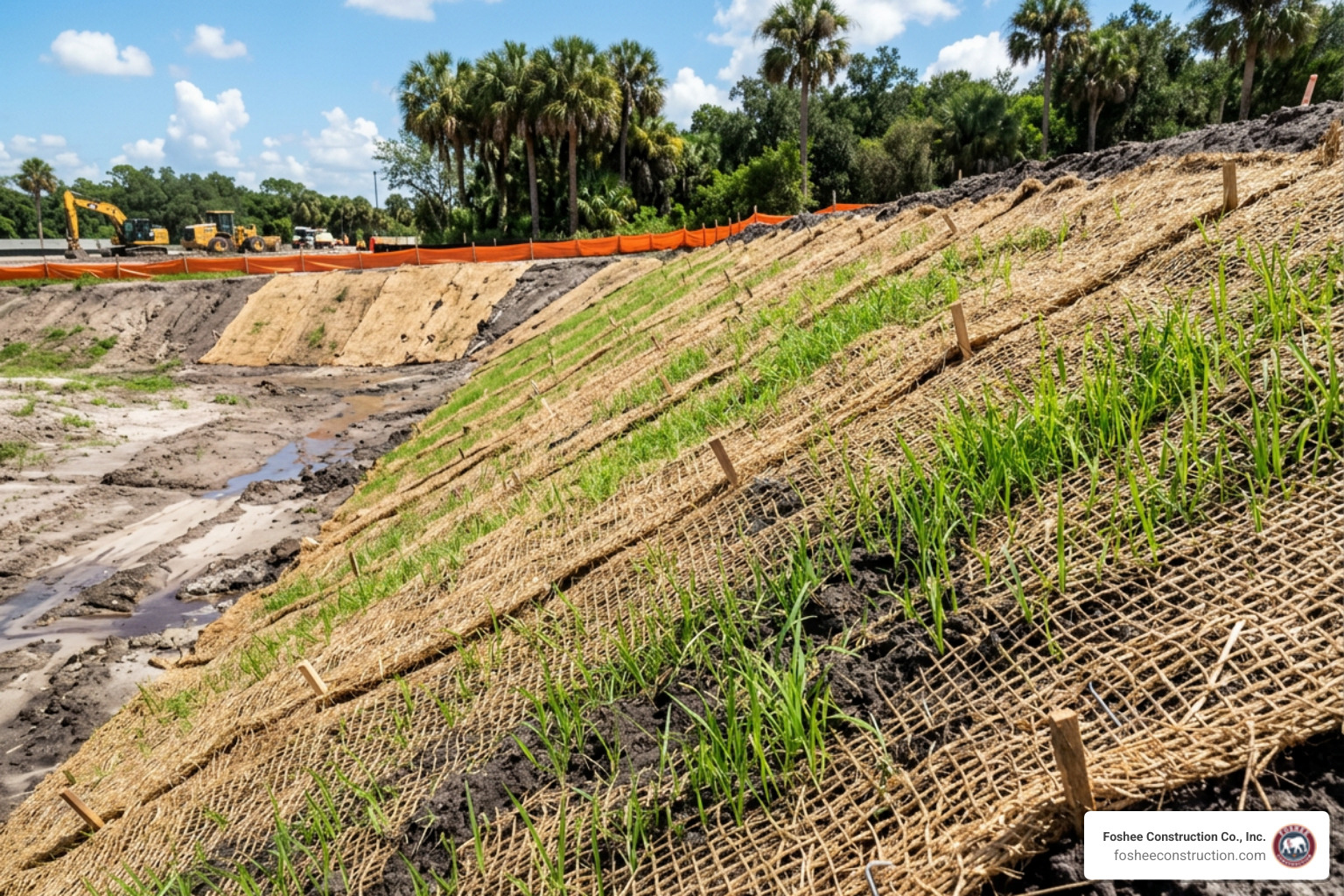
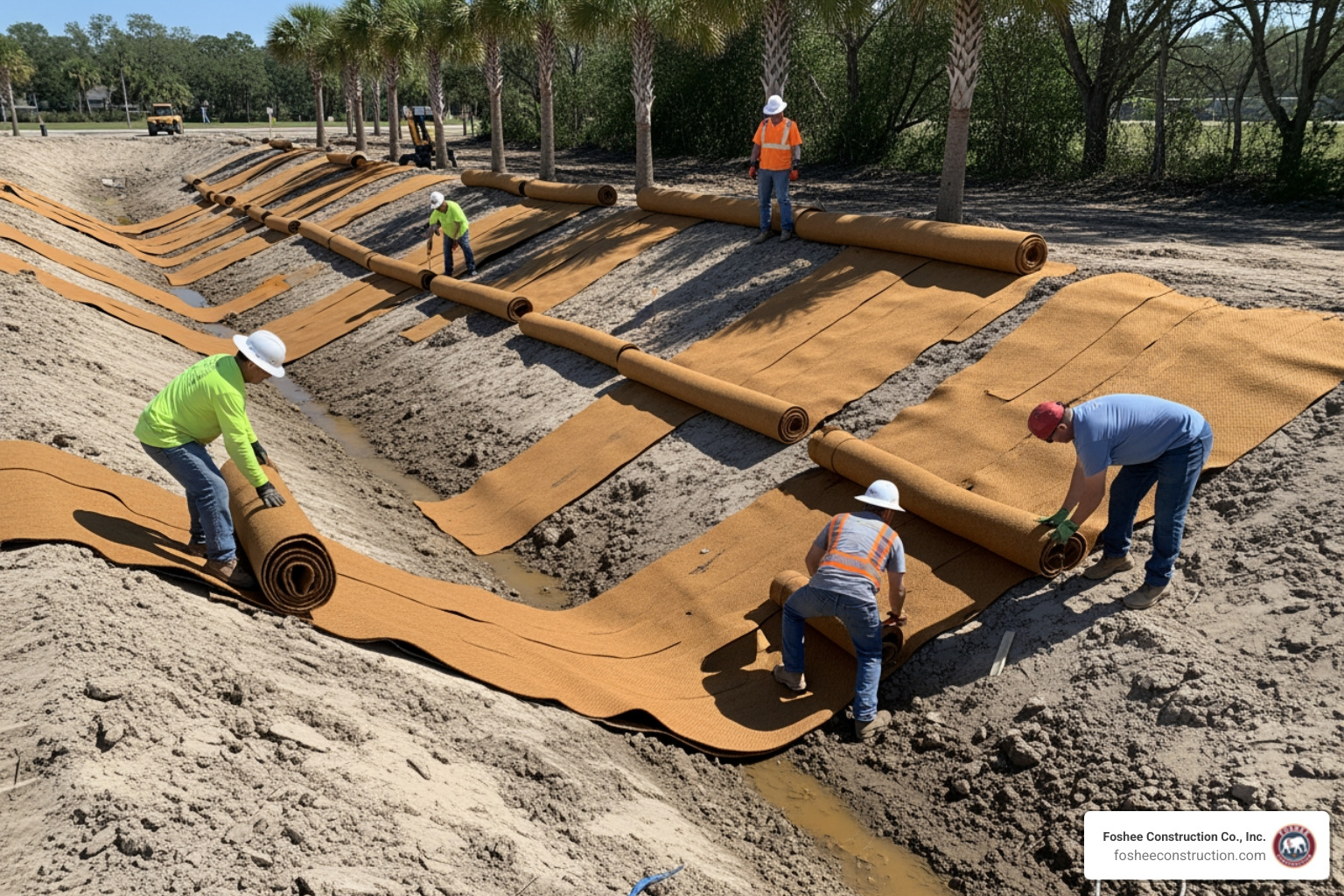
Preventing washouts requires a deep understanding of hydrology and soil mechanics. Professional contractors do not just flatten the ground; they engineer a water-shedding system using three key techniques:
In regions with sandy soils and intense seasonal storms, proper crowning and shoulder maintenance are critical to ensuring that unpaved roads survive heavy downpours. By addressing these factors before adding new stone, you can reduce long-term maintenance costs by up to 40%. For a deeper look at these techniques, read about our work as a Grading and Drainage Contractor.

A beautiful driveway is only as good as the dirt beneath it. The secret to a surface that lasts 20+ years lies in rigorous subgrade preparation and soil compaction. When we take on a project, we treat the base with the same discipline required for a commercial highway.
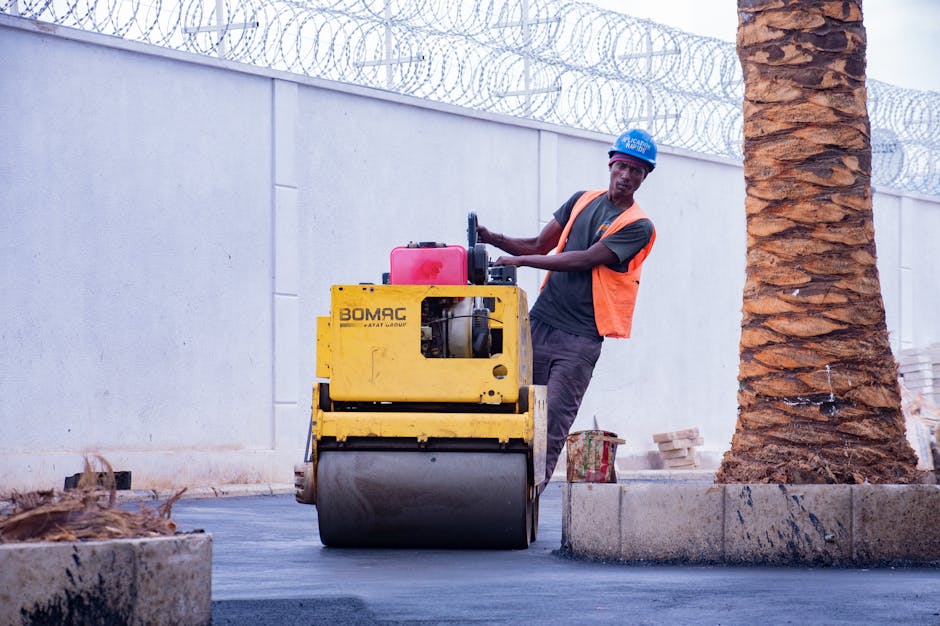
Without proper compaction, air pockets remain in the soil. When heavy delivery trucks or family vehicles drive over these soft spots, the ground compresses unevenly, creating low points where water can collect. By utilizing heavy vibrating rollers and high-performance compactors, professional contractors lock the soil particles together, maximizing their load-bearing capacity and ensuring permanent runoff control. This process relies on established soil compaction principles to eliminate air pockets and create a stable foundation. To see how this fits into a broader construction plan, explore our Site Preparation Services.
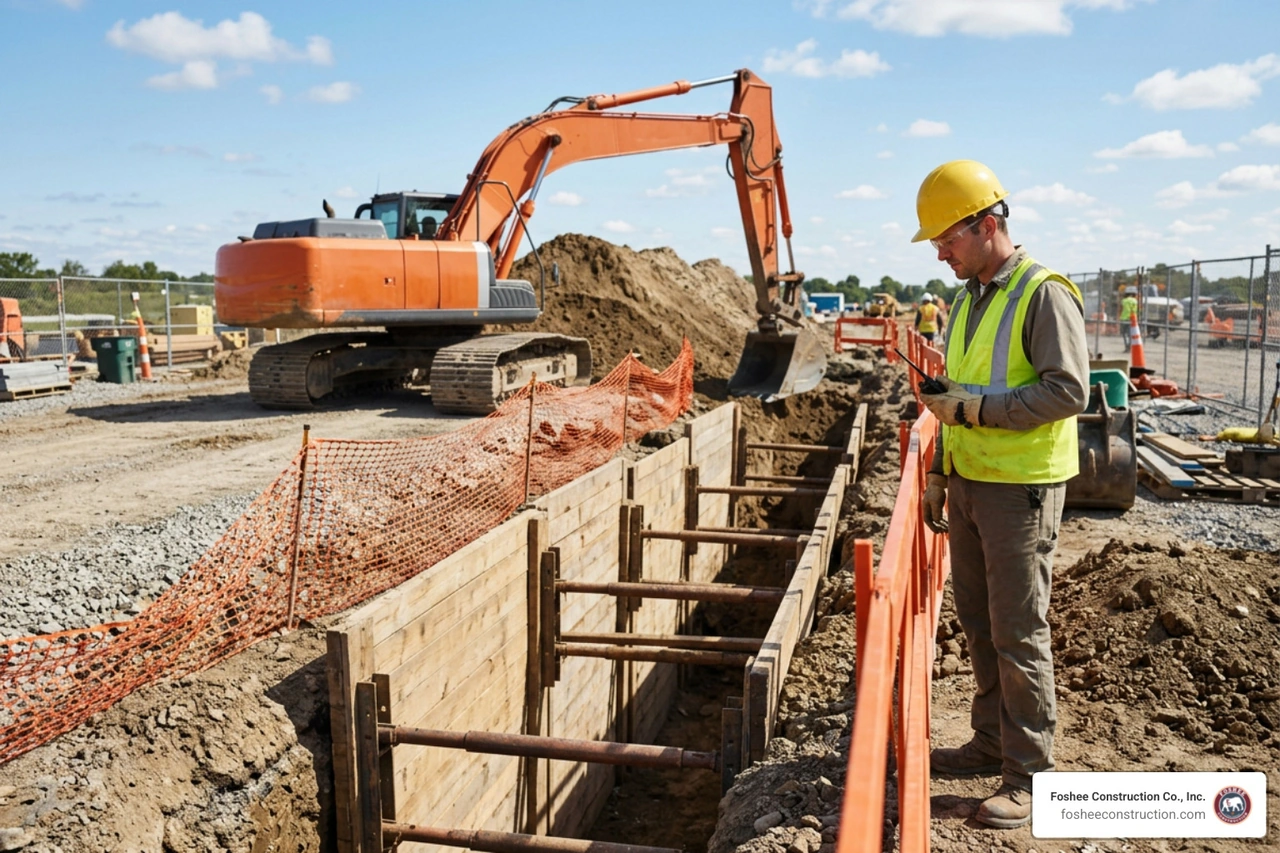
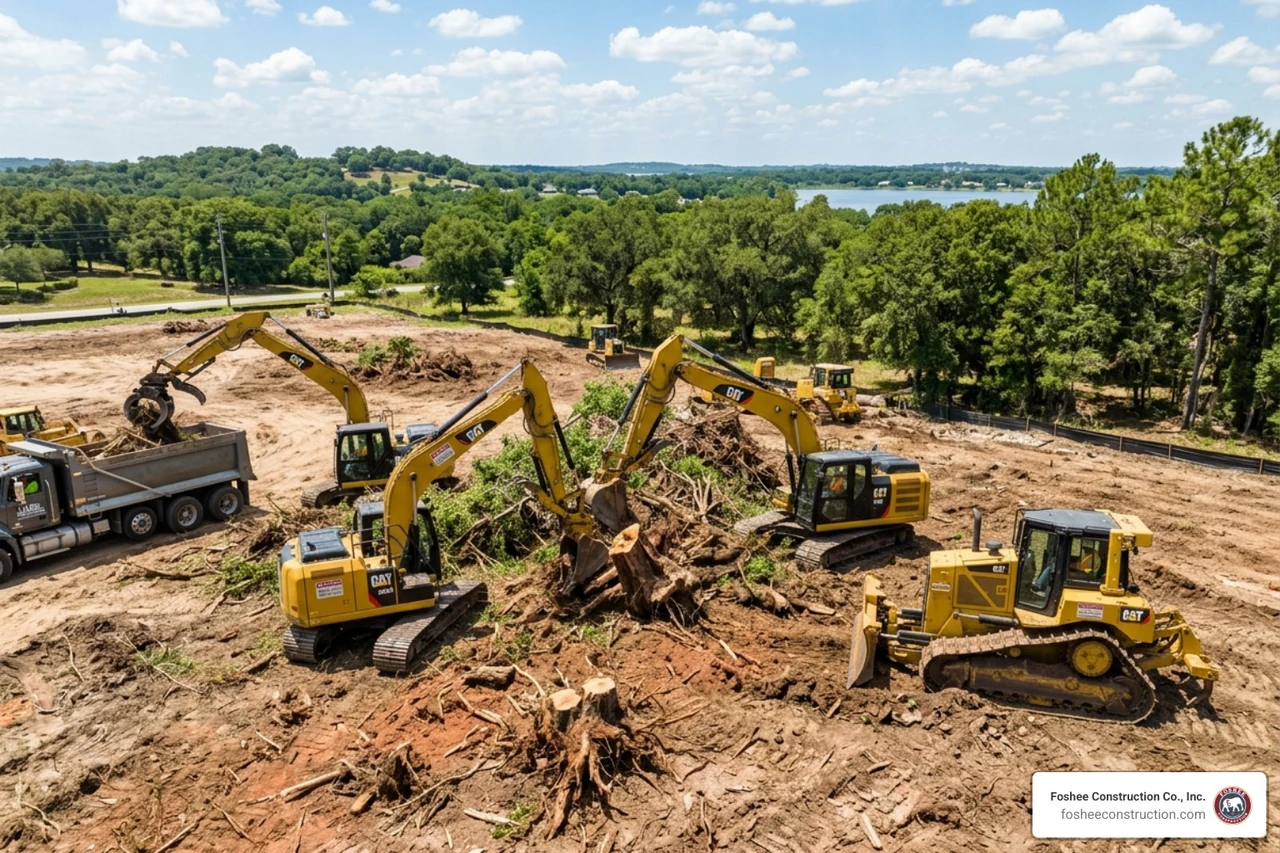
Before laying down a single piece of fresh gravel, asphalt, or concrete, the existing foundation must be stabilized. This process involves stripping away organic material, leveling the subgrade, and installing a high-quality aggregate base.
For paved surfaces, contractors often utilize heavy-duty materials like Class 2 base rock to provide structural integrity. This dense, graded aggregate locks together tightly under compaction, creating a bridge over soft spots in the natural subgrade. Properly graded driveways with correct base compaction and crowning reduce water pooling and rutting by over 70% in rainy climates.
If you are planning to transition from gravel to a paved surface, proper base preparation is even more critical. Neglecting this step is the number one cause of premature cracking and asphalt failure. For more details on the initial steps of this process, read our guide on Land Clearing and Site Preparation.
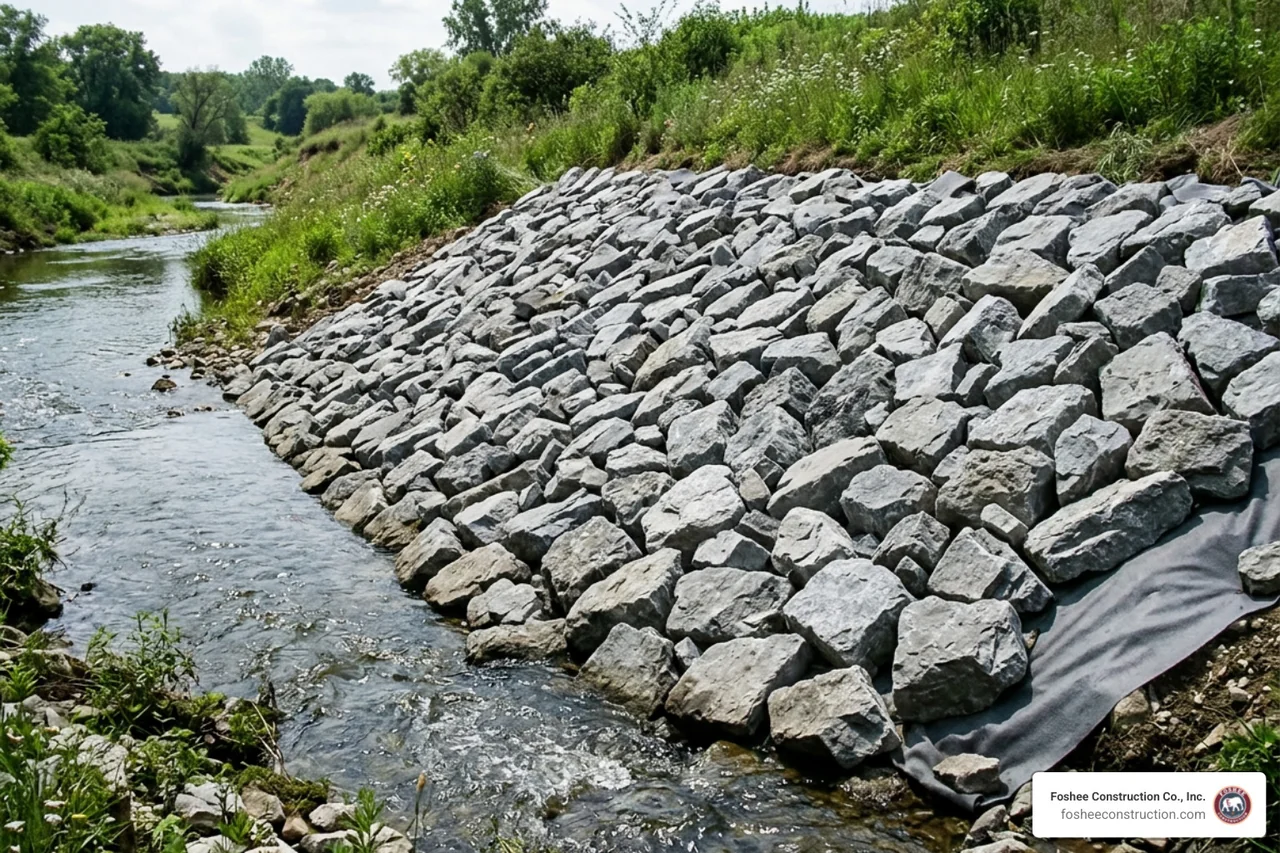
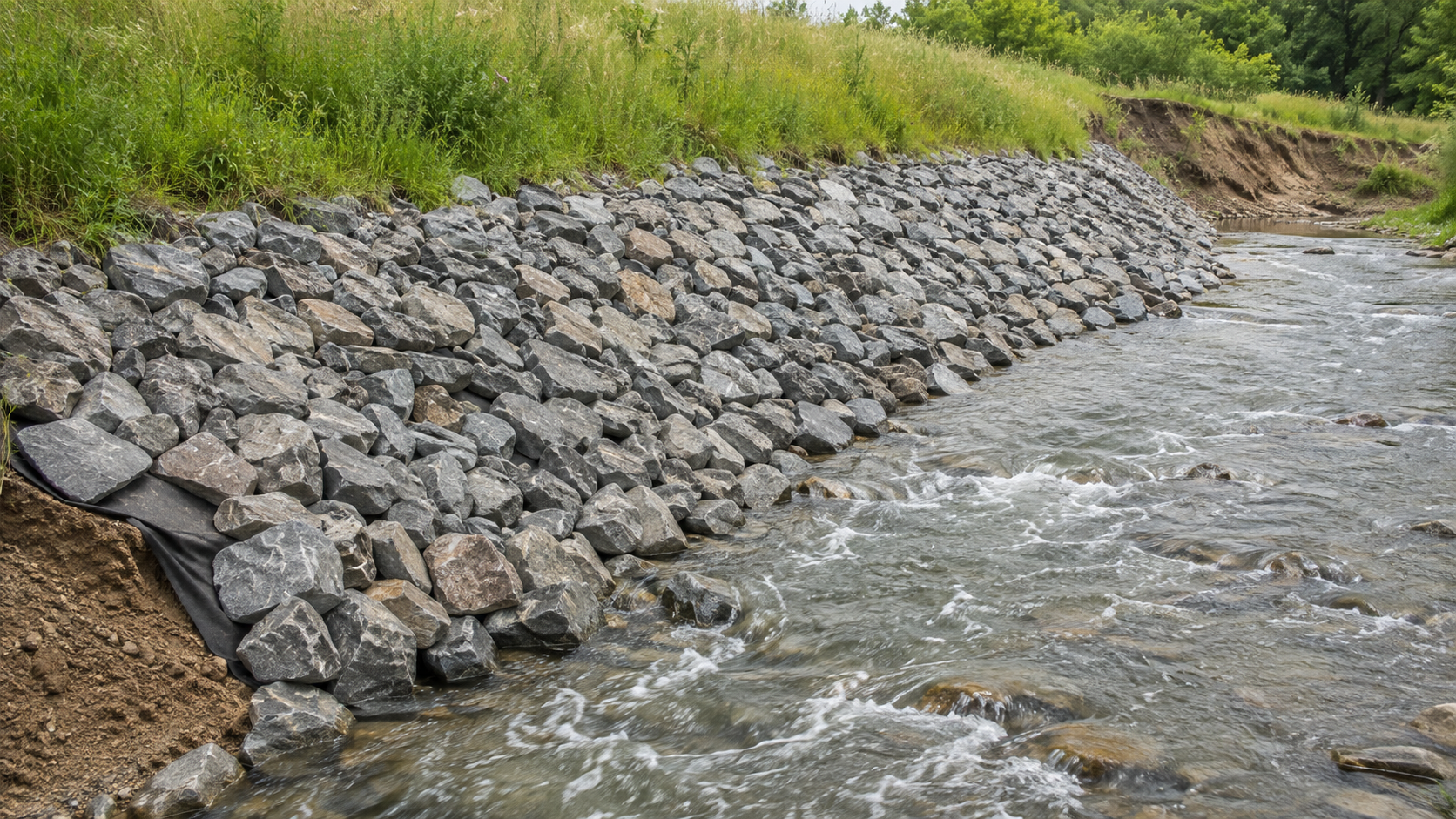
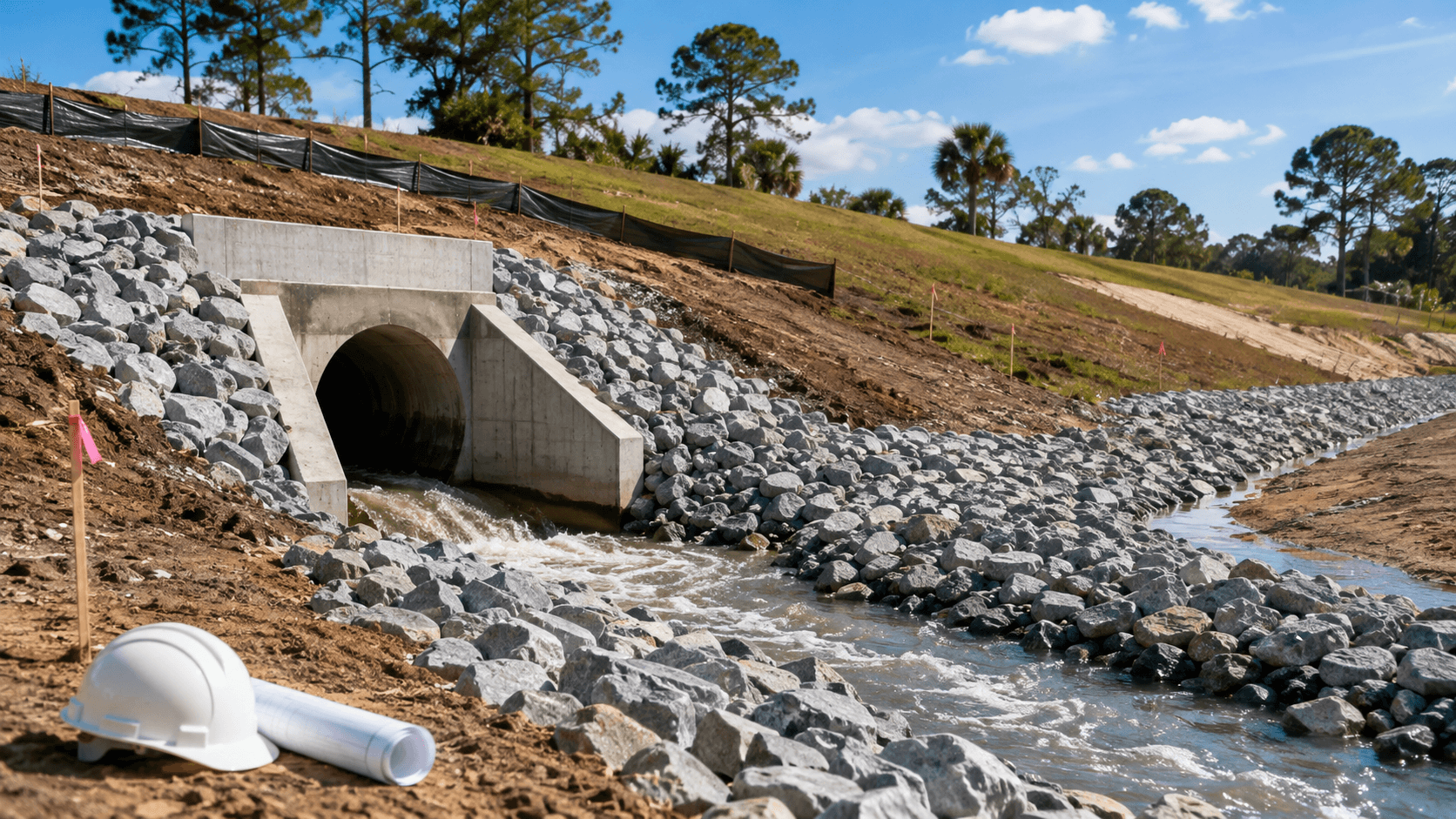
Sometimes, grading the driveway surface is only half the battle. If water has nowhere to go once it leaves the driveway, it will eventually back up and destroy your hard work. This is where drainage correction and culvert installation come in.
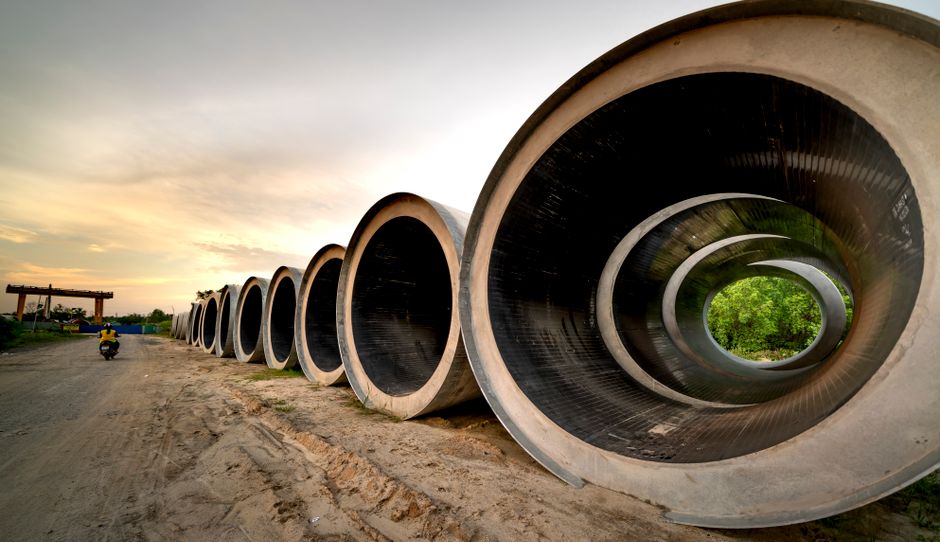
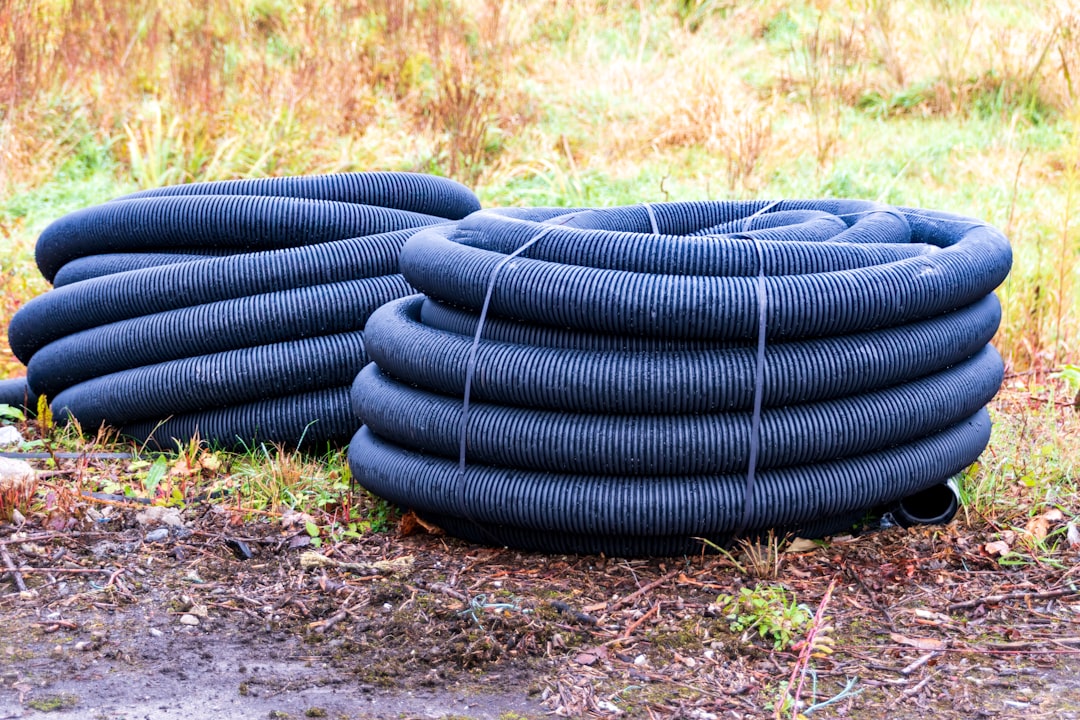
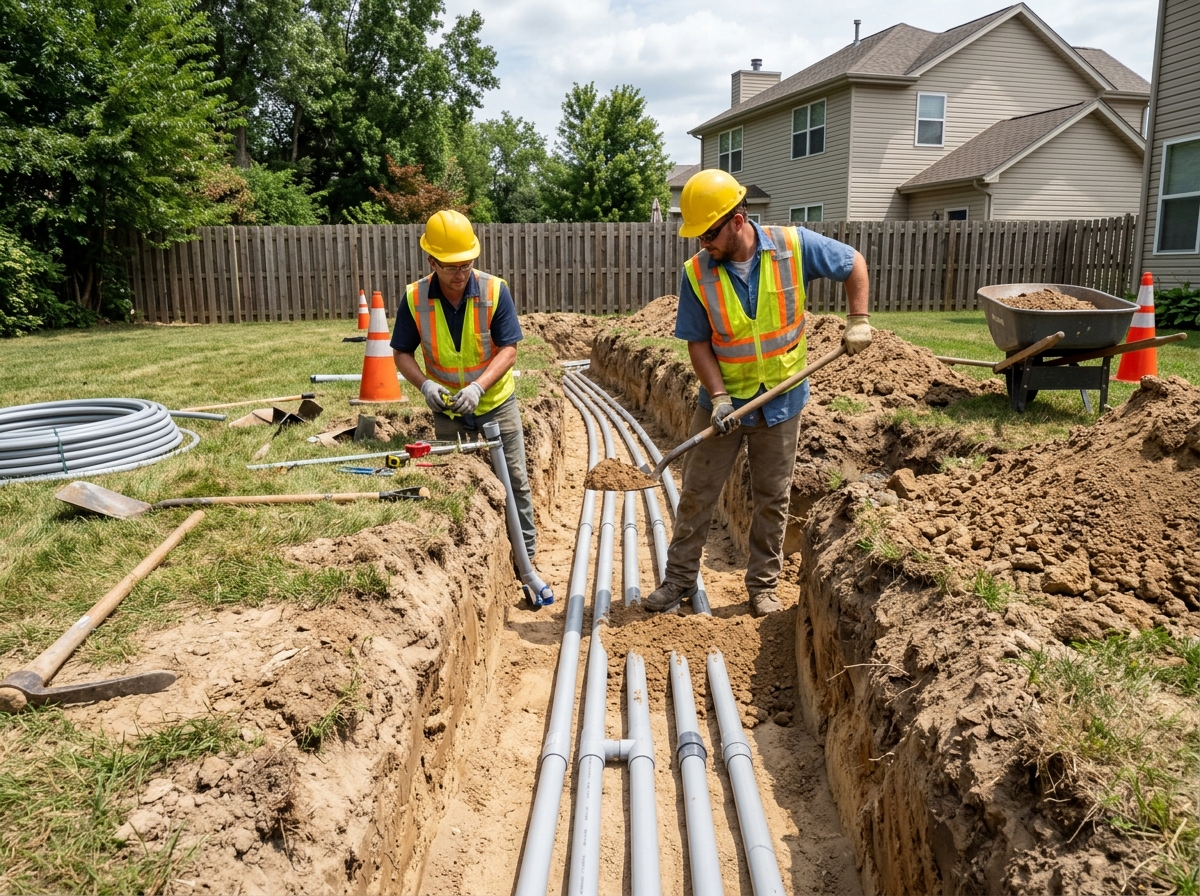
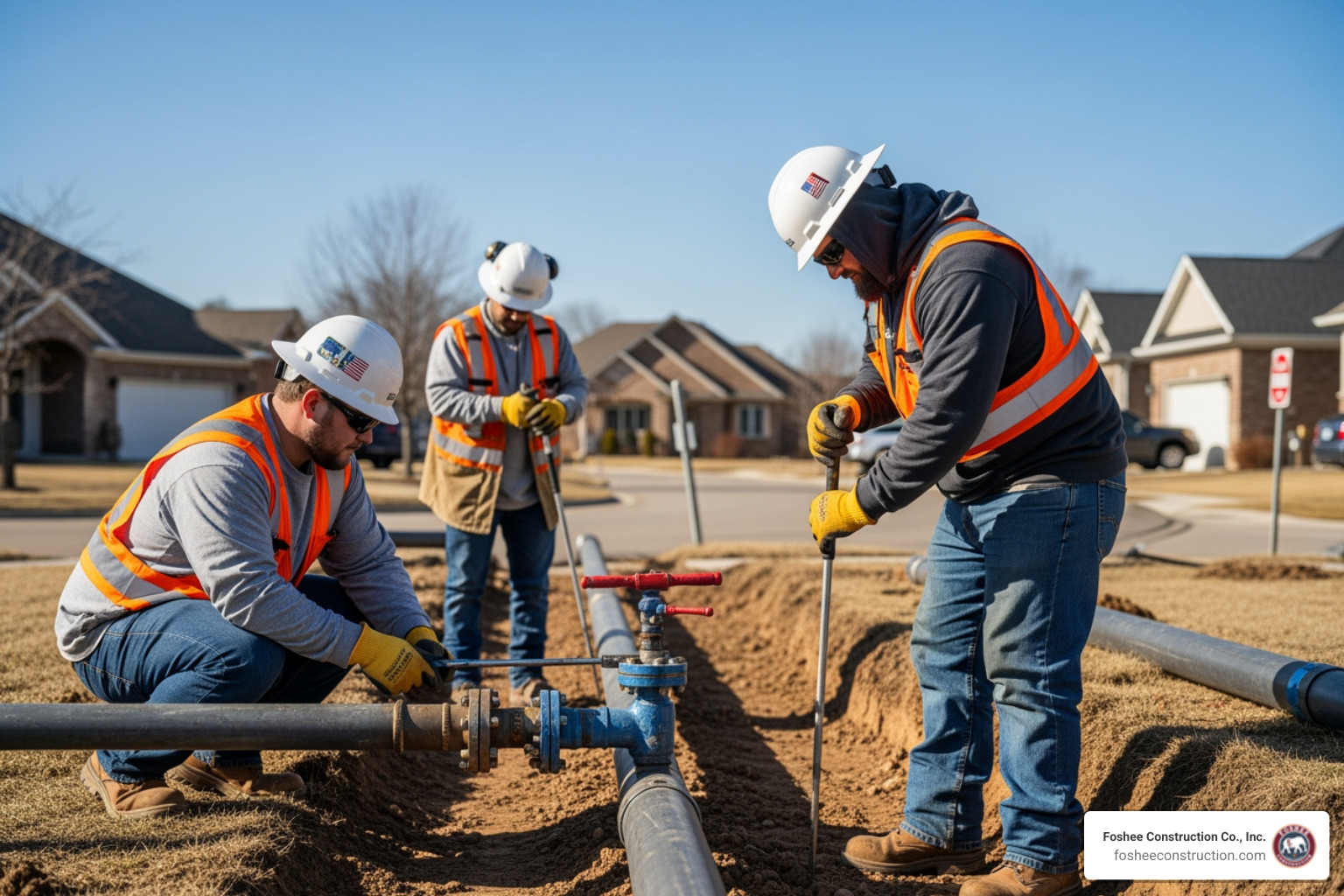
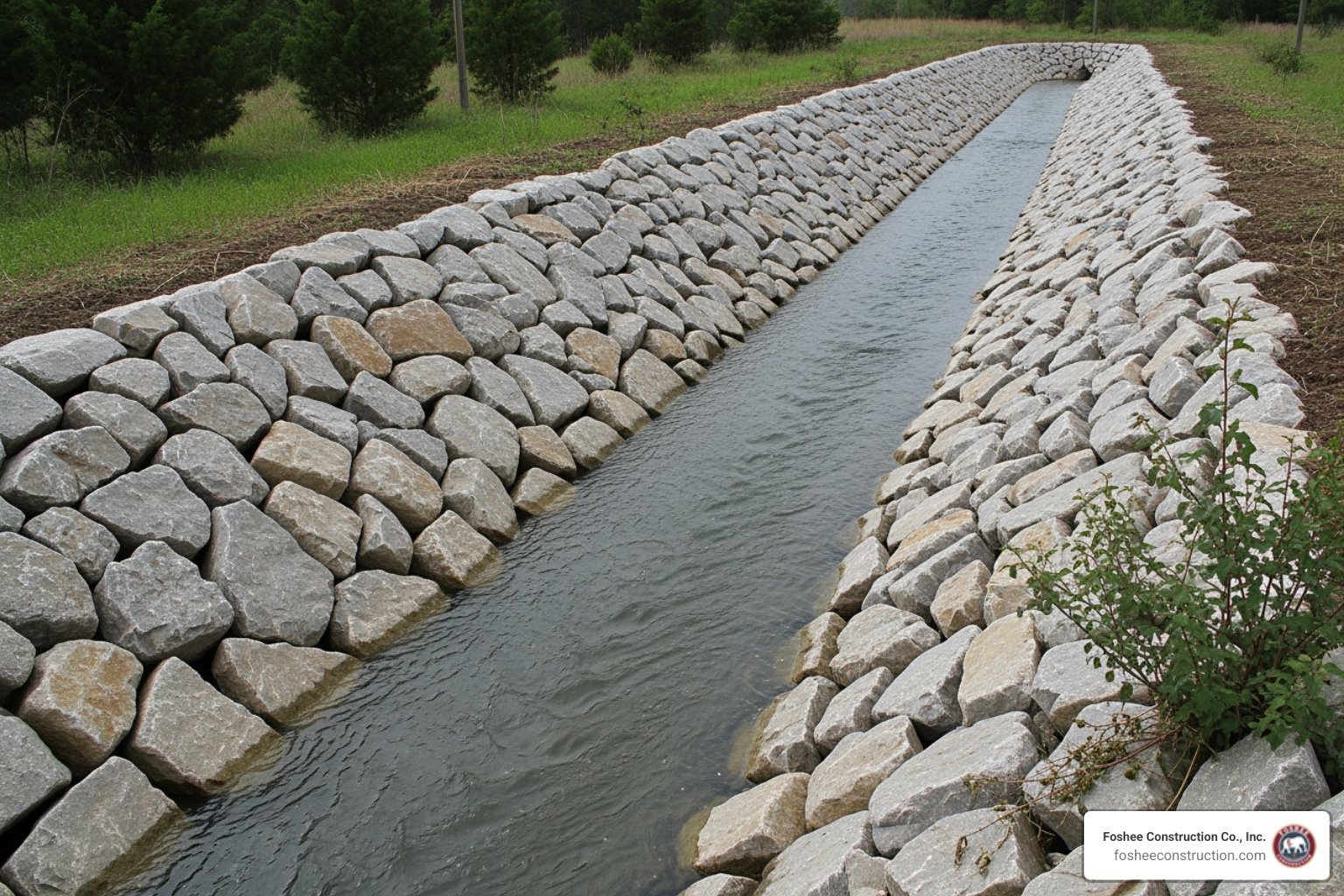
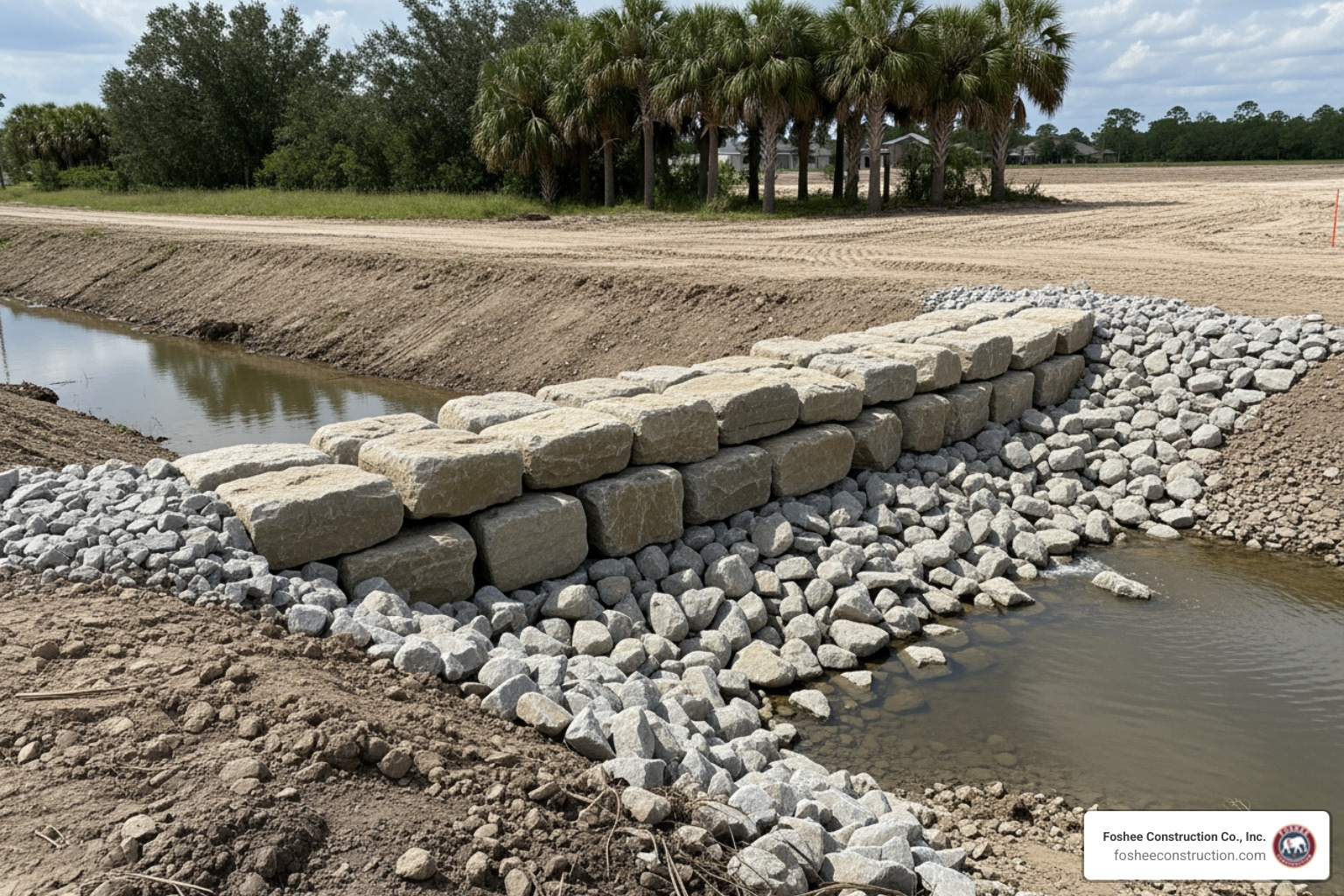
A culvert pipe is installed where your driveway crosses a roadside ditch or natural water flow. If this pipe is too small, clogged, or crushed, water will pool against your driveway entrance, softening the base and eventually washing out the roadbed.
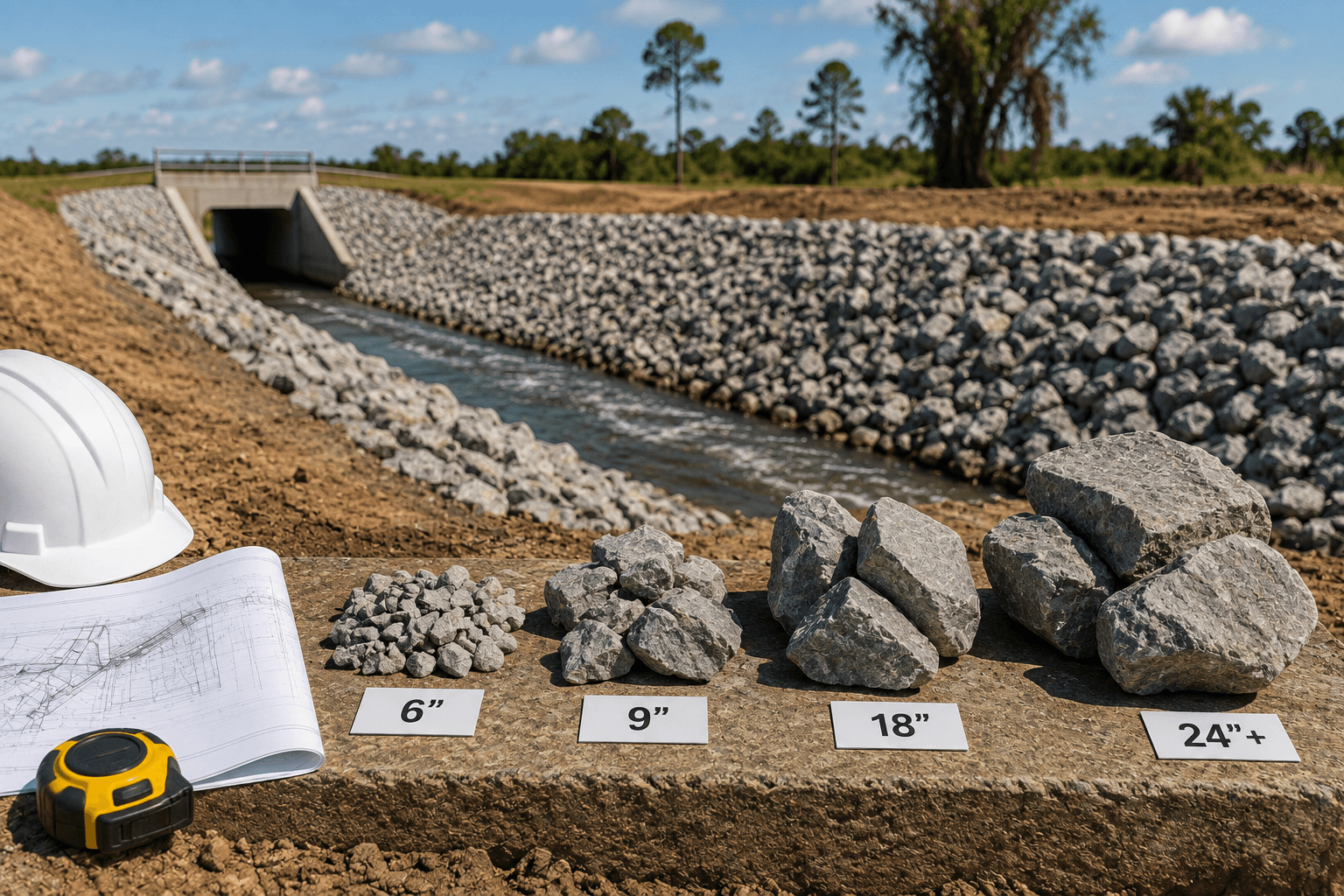
By pairing precise yard leveling with strategic swales, catch basins, and properly sized culverts, we ensure that heavy rains are directed safely away from your driving lanes and home foundation. Proper excavation and drainage must go hand-in-hand to prevent erosion. You can learn more about our local drainage correction solutions by visiting our page on hiring a Yard Leveling Contractor.
To help you understand the structural differences between driveway types, here is a comparison of base preparation requirements:
| Feature / Requirement | Gravel Driveway | Paved Driveway (Asphalt/Concrete) |
|---|---|---|
| Minimum Base Thickness | 4–6 inches of compacted aggregate | 6–8 inches of Class 2 aggregate base |
| Surface Crown | 2% to 3% slope (approx. 1/4 to 1/2 inch per foot) | 1% to 2% slope for rapid water shedding |
| Compaction Requirement | Medium to High (to prevent stone shifting) | Extremely High (95%+ density to prevent cracking) |
| Drainage Integration | Side ditches, swales, and culverts | Integrated catch basins, curbs, and concrete flumes |
| Lifespan with Proper Prep | 10–15 years (with periodic grading) | 20–30 years (with minimal maintenance) |
Achieving these precise specifications requires a mix of heavy machinery, experienced operators, and a clear understanding of the project's unique variables. When you are Choosing the Right Contractor, asking about their equipment fleet and pricing transparency is a great place to start.
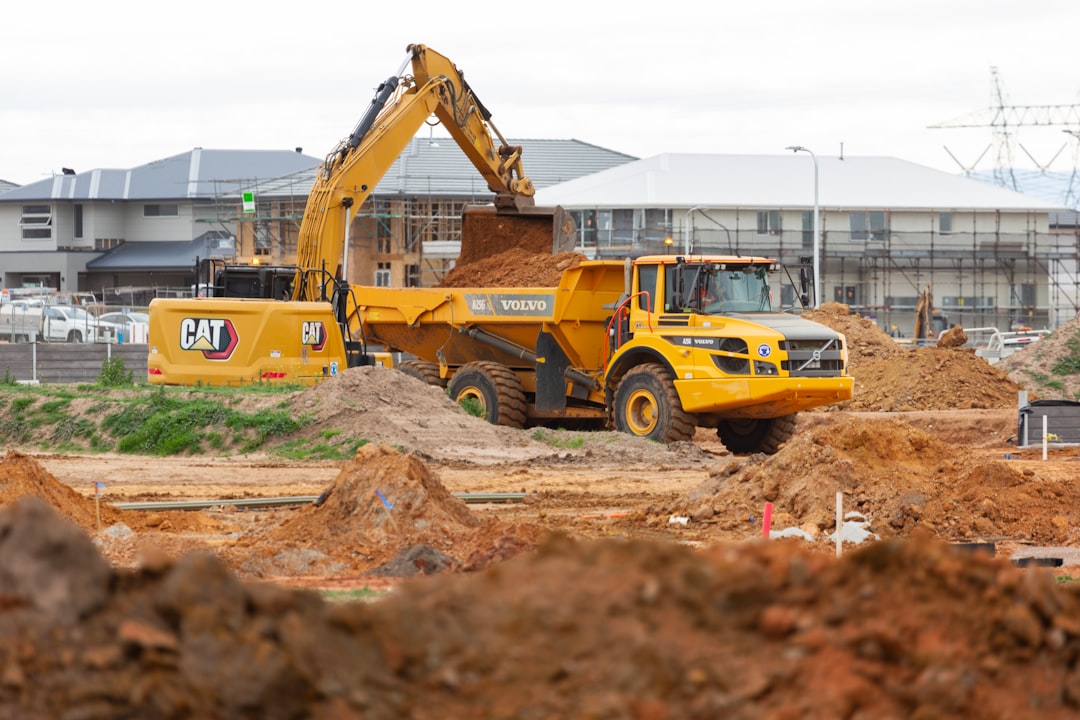
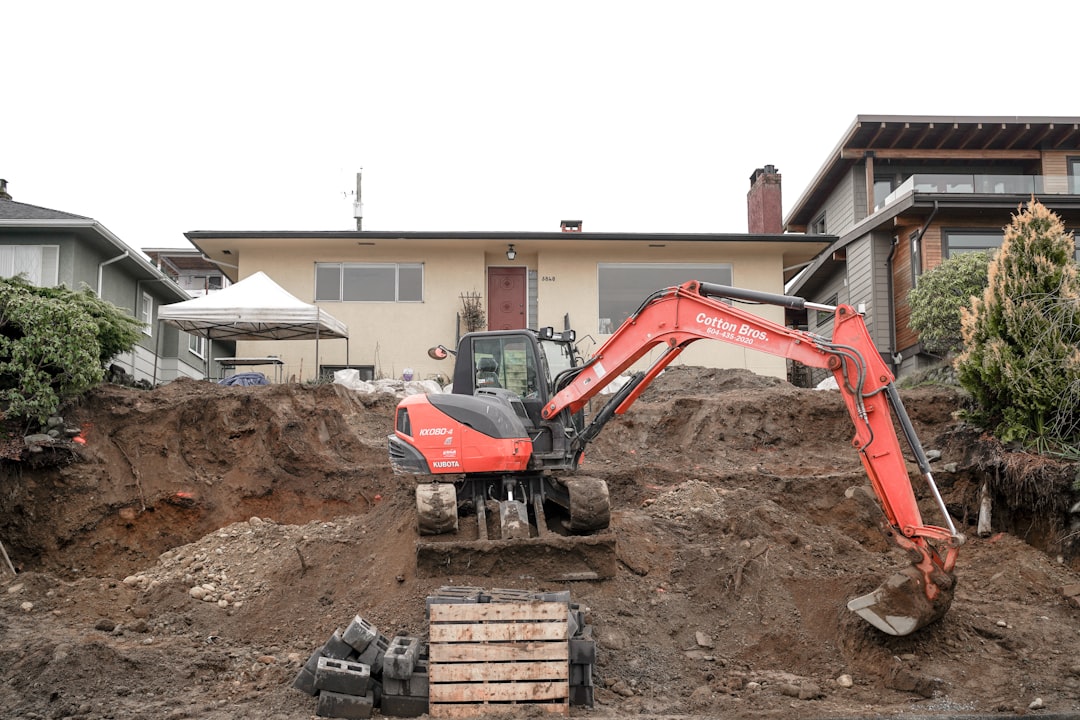
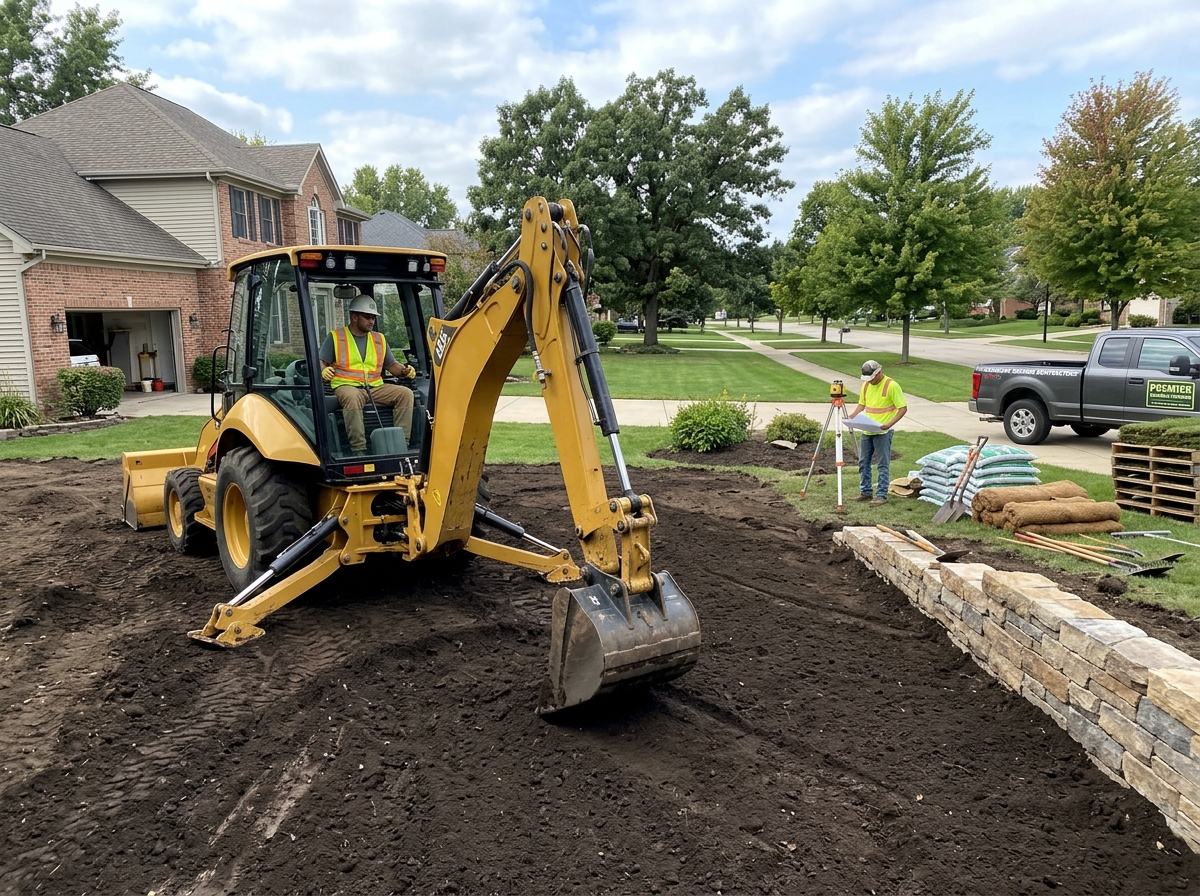
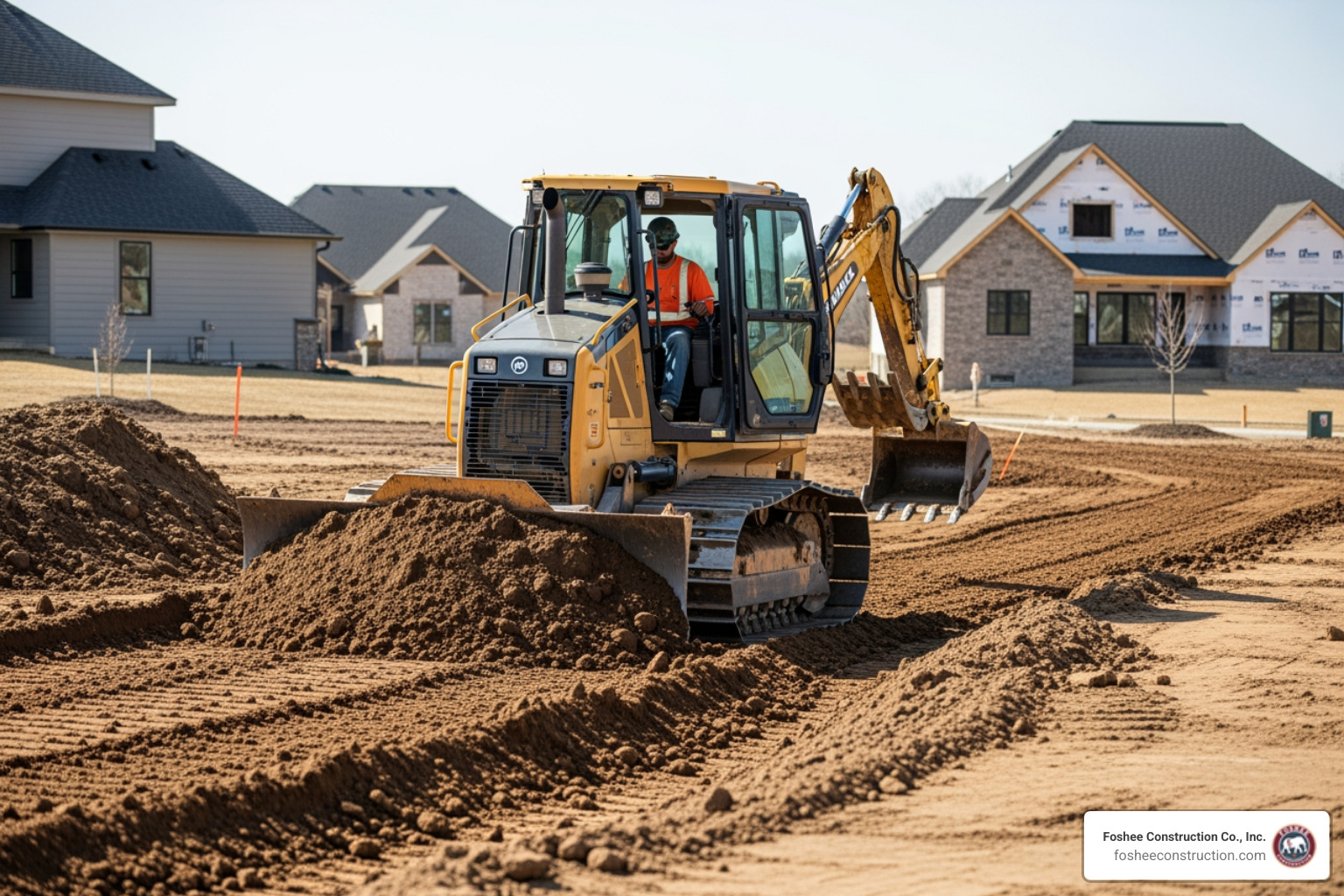
Professional contractors use a variety of specialized machines depending on the size and constraints of the property:
By using the right-sized equipment, contractors minimize their overall property impact while delivering highly precise finishes.
The cost of a driveway grading project is rarely one-size-fits-all. Several key factors influence the final estimate:
In Florida, we recommend professional maintenance grading at least once a year, ideally right before or after our heavy summer storm season. High traffic volume and heavy delivery trucks will accelerate the wear and tear, making regular touch-ups essential to prevent deep ruts.
Absolutely not. Paving over an uncompacted or unstable base is the fastest way to cause base failure and premature cracking. Without solid structural support and thorough subgrade compaction, your expensive new asphalt or concrete will sag and crack within just a few seasons.
Grading refers to the initial process of shaping and leveling raw land to establish the correct elevation and slope during new construction. Regrading involves correcting and repairing an existing driveway that has settled, shifted, or suffered erosion damage over time.
A properly graded driveway is the foundation of a safe, functional, and long-lasting property. Whether you are managing a long rural lane or preparing a residential site for paving, cutting corners on your site prep is a gamble that rarely pays off.
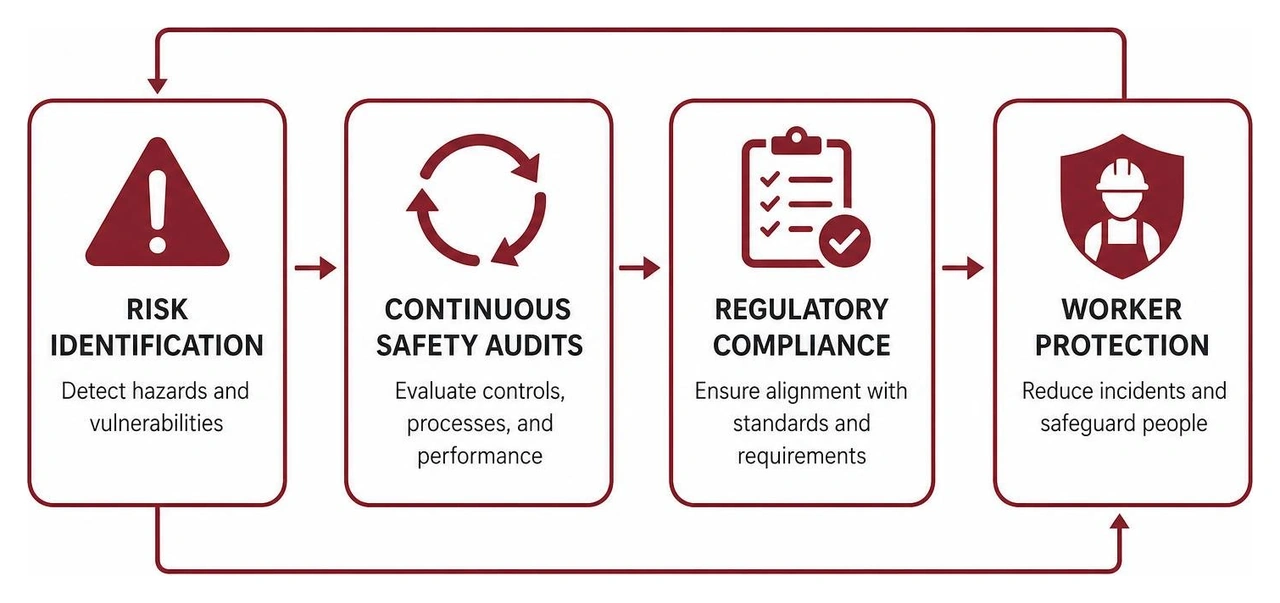
At Foshee Construction Co., Inc., we believe in doing the job right the first time. We set ourselves apart through our transparent bids, disciplined scheduling, and an unwavering safety focus on every job site. We don't just spread gravel—we engineer a complete drainage and base solution tailored to the unique challenges of Central Florida's soils and climate.
Ready to transform your driveway into a durable, worry-free asset? Discover the Foshee Construction Difference or contact our team today to learn Why Choose Foshee Construction for your next grading and site preparation project.
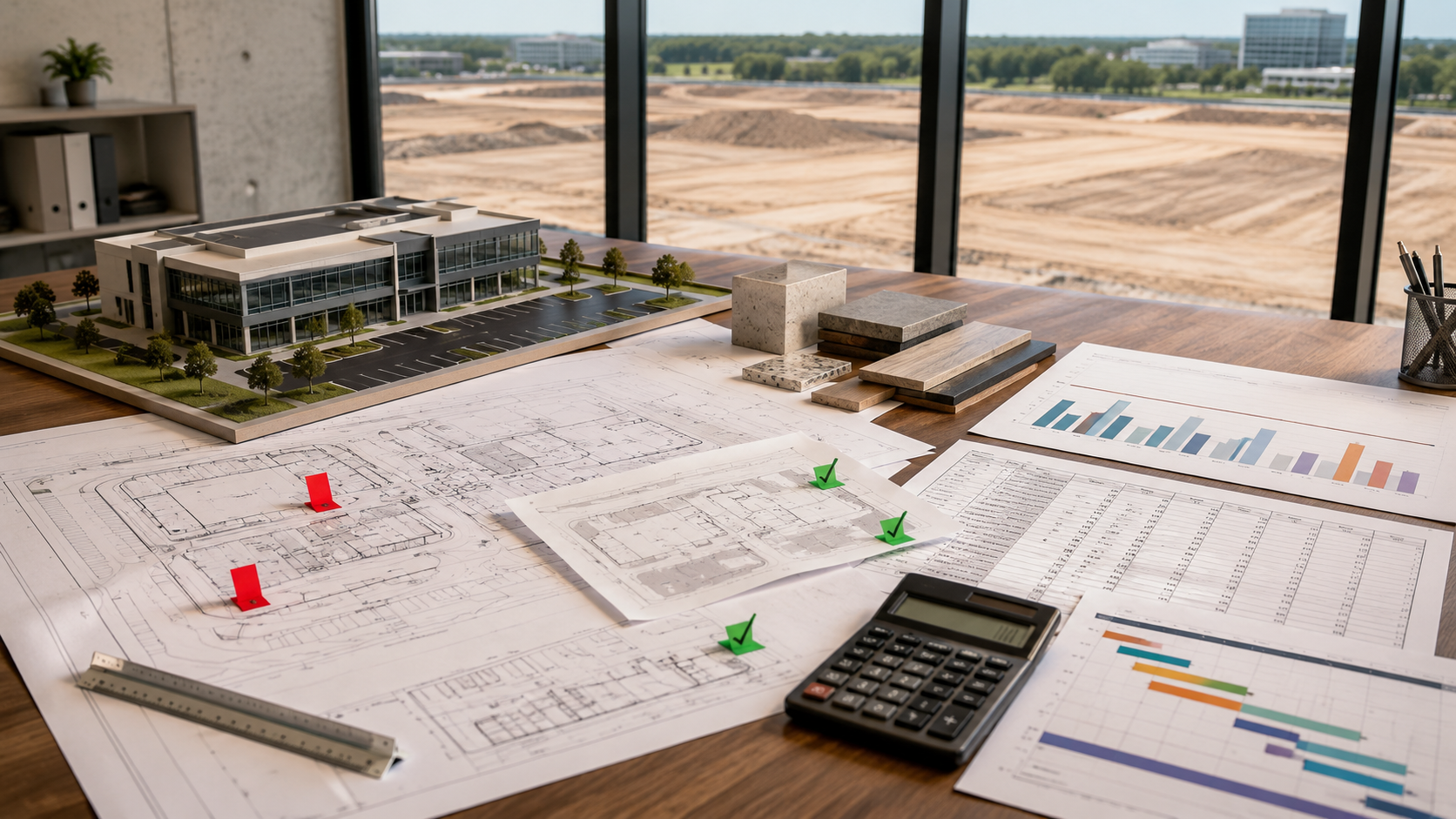
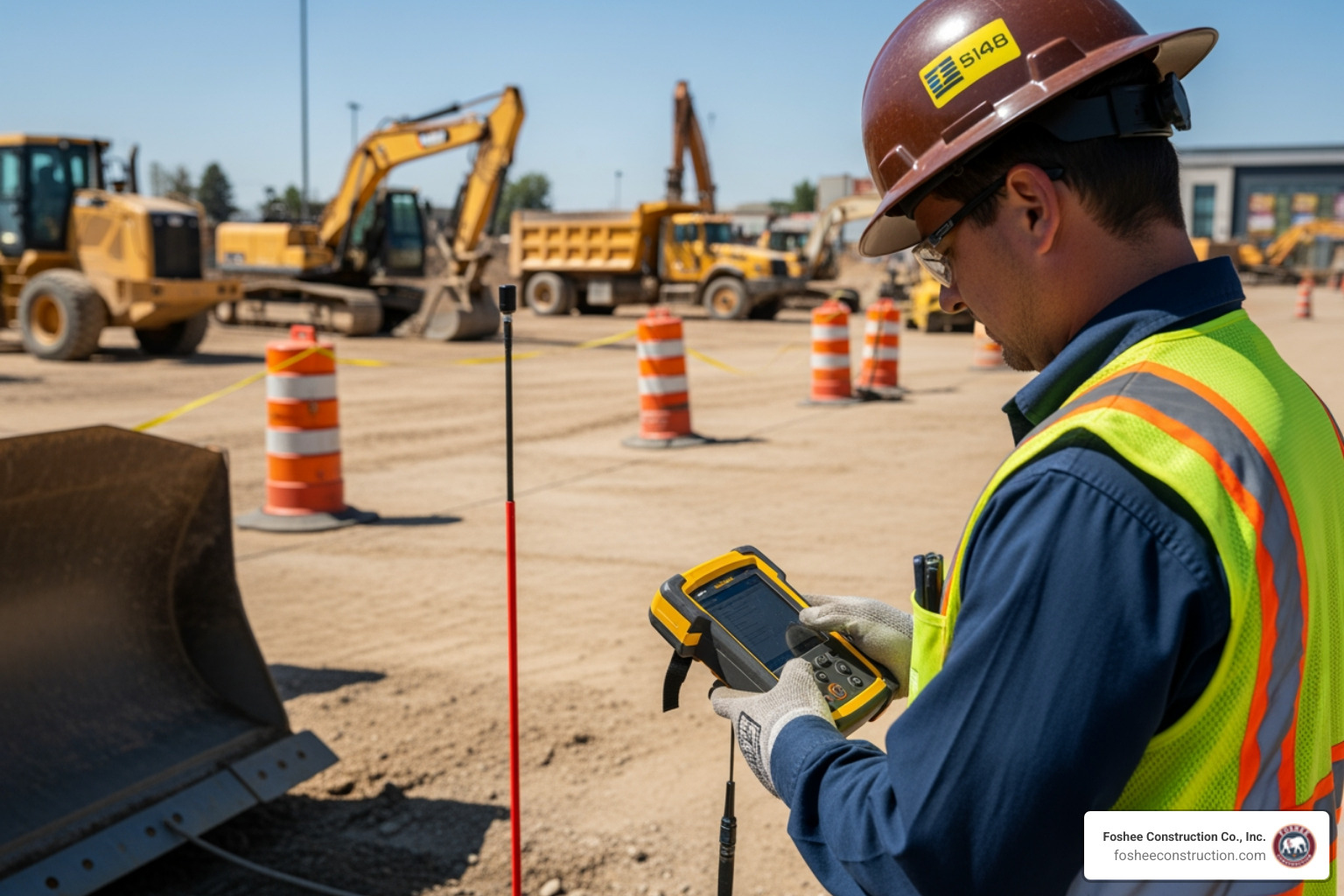
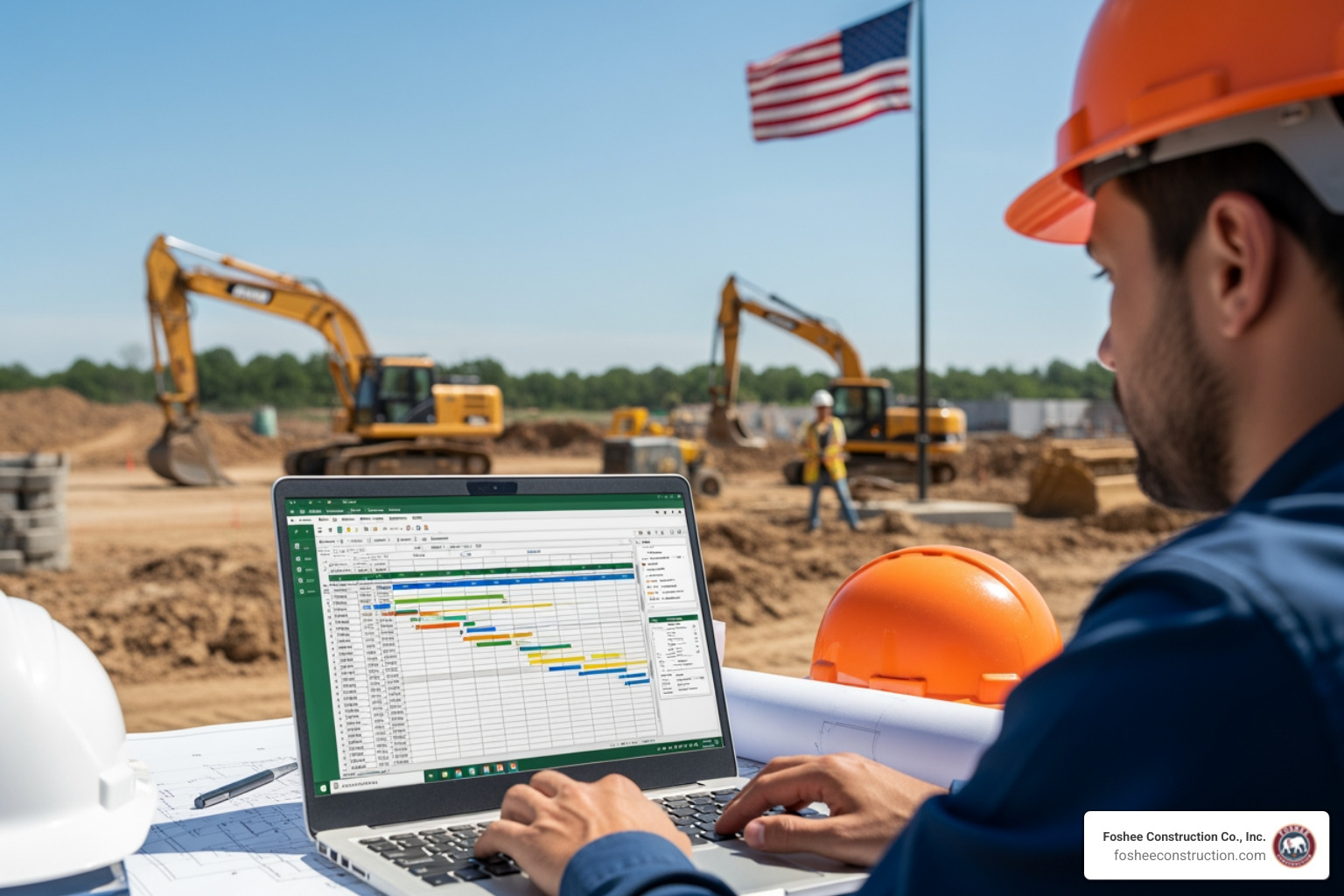
We build bids using HeavyBid and AGTEK because the details matter long before the job starts. When the numbers are accurate and the scope is clearly defined, it sets the tone for how the entire project runs. Estimating isn’t just a step in the process, it’s the foundation we build on.
That same mindset carries into the field. Our crew is trained to work with purpose, follow the Civil Engineers’ Plan to the finest detail, and hold the line on quality. When expectations are clear from day one, there’s no need for shortcuts, and no confusion about how the work gets done.
Clients trust our bid packages because they’re complete and ready to use. Project managers know what we’re covering, what’s excluded, and how we plan to approach the job. That clarity removes friction and lets teams focus on execution instead of interpretation.
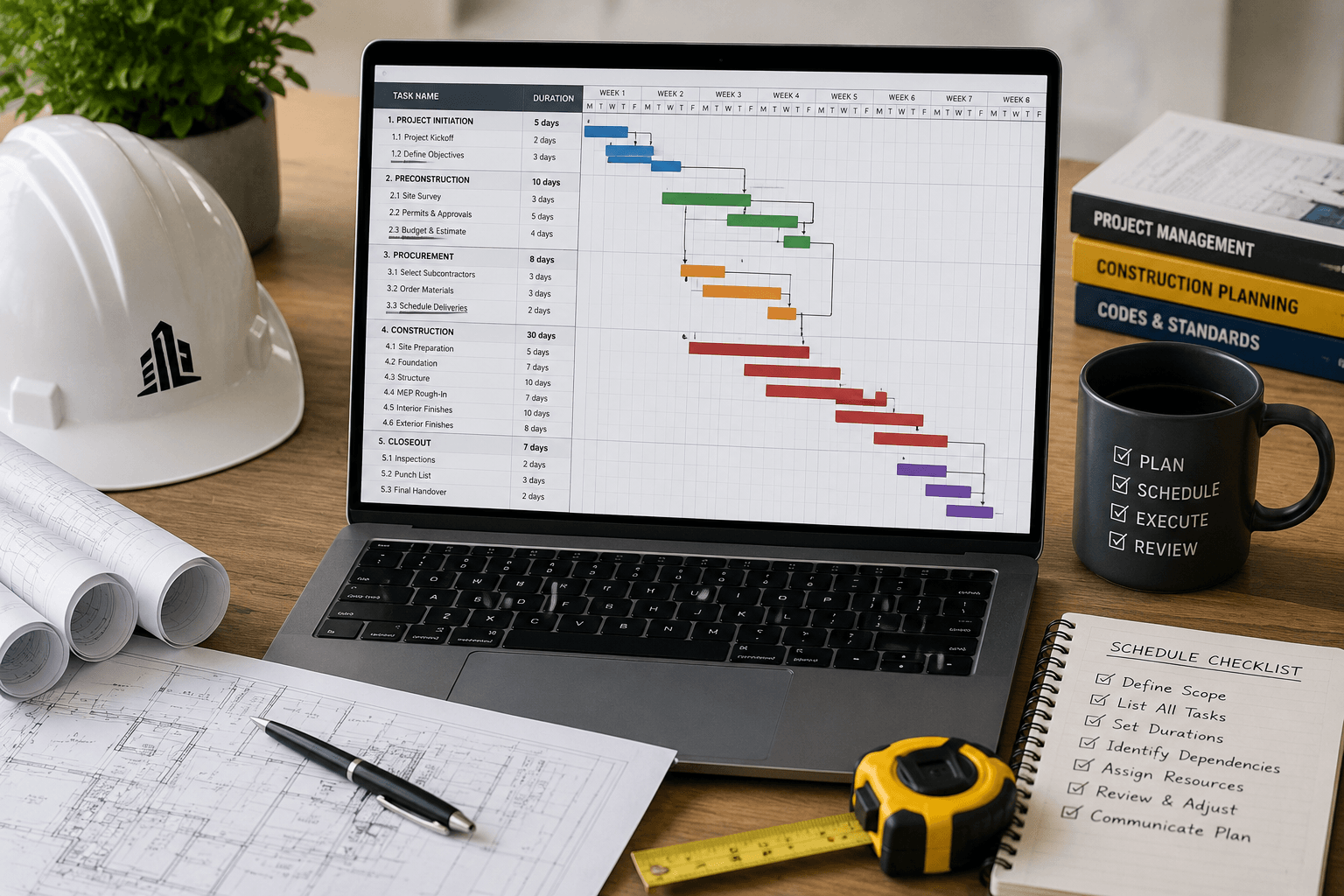
As part of our review process, we go into the plans before anything hits the site. We ask the questions early, resolve issues before they show up in the field, and keep RFIs moving. This approach prevents delays and protects the timeline.
Over time, that consistency builds trust. Many of the people we work with today came through referrals from past projects – engineers, GCs, and superintendents who’ve seen how we operate and want the same experience again.
In 2024, Foshee Construction was acquired by Saga Infrastructure Solutions, a national network of civil construction companies. Saga supports regional contractors by giving them access to better tools, long-term resources, and operational backing, without changing how they run day to day.
Foshee will continue to operate under its name, with the same team and field leadership in place.
“From the very time a project starts, we start that partnership. We try to catch as much as we can with the tools that we have. Not everybody is using the software platforms we are. That’s the differentiator: we’re not just bidding. We’re anticipating, problem-solving, and making sure the job runs right.”
— Don, CEO, Saga Infrastructure Solutions
Foshee is now part of a broader regional strategy that includes Florida, the Piedmont Atlantic, Texas, Colorado, and the Arizona Sun Corridor. The name, crews, and standards remain. What’s improving is the support behind it.