Land grading and excavation are the first — and most critical — steps in any construction or site development project. Get them right, and everything built on top will last. Get them wrong, and you're looking at standing water, foundation failures, and costly rework down the line.
Here's a quick overview of what these two processes mean:
Together, they transform raw land into a stable, construction-ready surface.
Why does it matter? A few key reasons:
These aren't minor risks. They're the difference between a project that stays on schedule and one that spirals into budget overruns and repairs.
I'm Don Larsen, and at Foshee Construction Co., Inc. we've been delivering reliable land grading and excavation services across Central Florida since 1994 — handling everything from initial earthmoving through full site development for contractors, developers, and engineers. In the sections below, I'll walk you through everything you need to know to get your site prep right the first time.
Learn more about land grading and excavation:
When preparing a property for development, we often encounter folks who use the terms "grading" and "excavation" interchangeably. While they go hand-in-hand like sweet tea and a hot Florida summer afternoon, they are actually two distinct phases of site preparation. Understanding how they work together is the secret to a successful build.
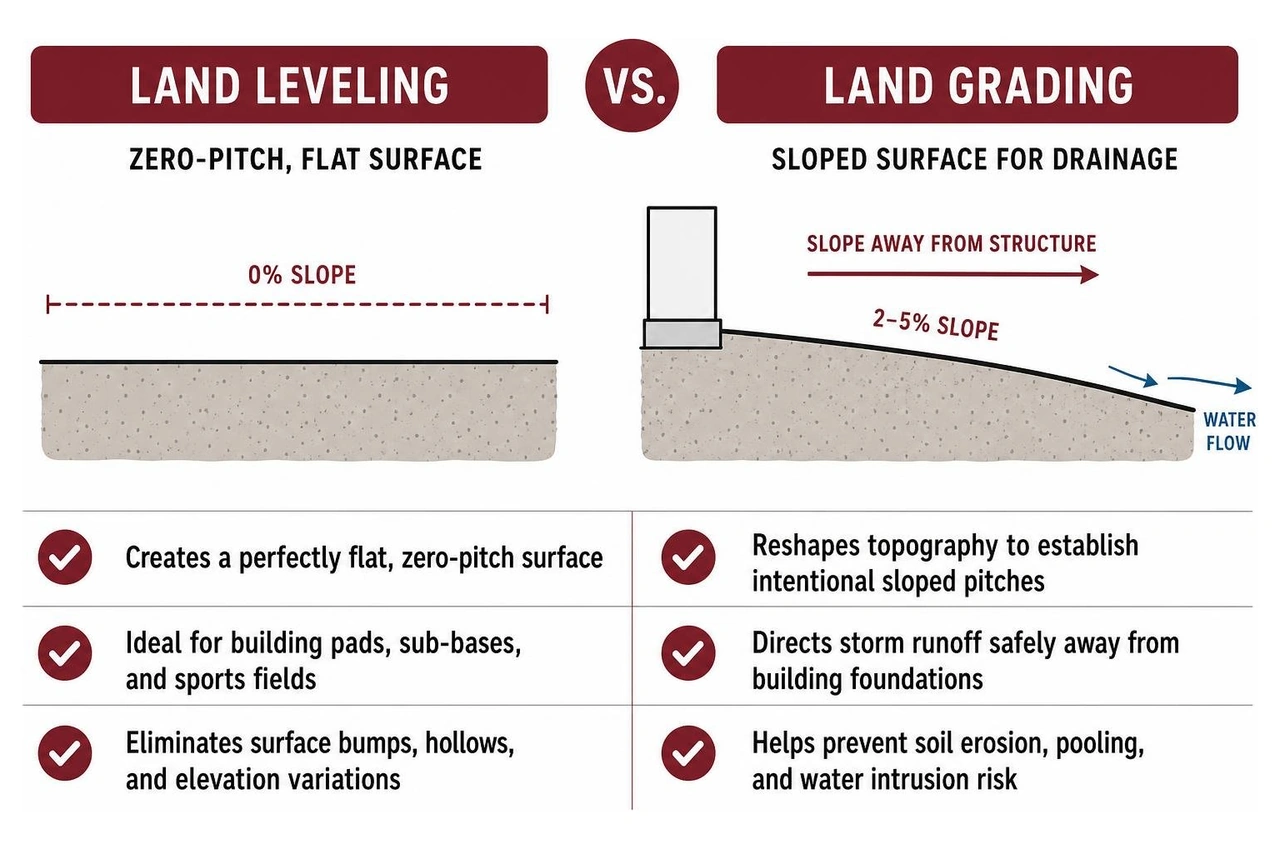
At its simplest, excavation is about removal, while grading is about shaping.
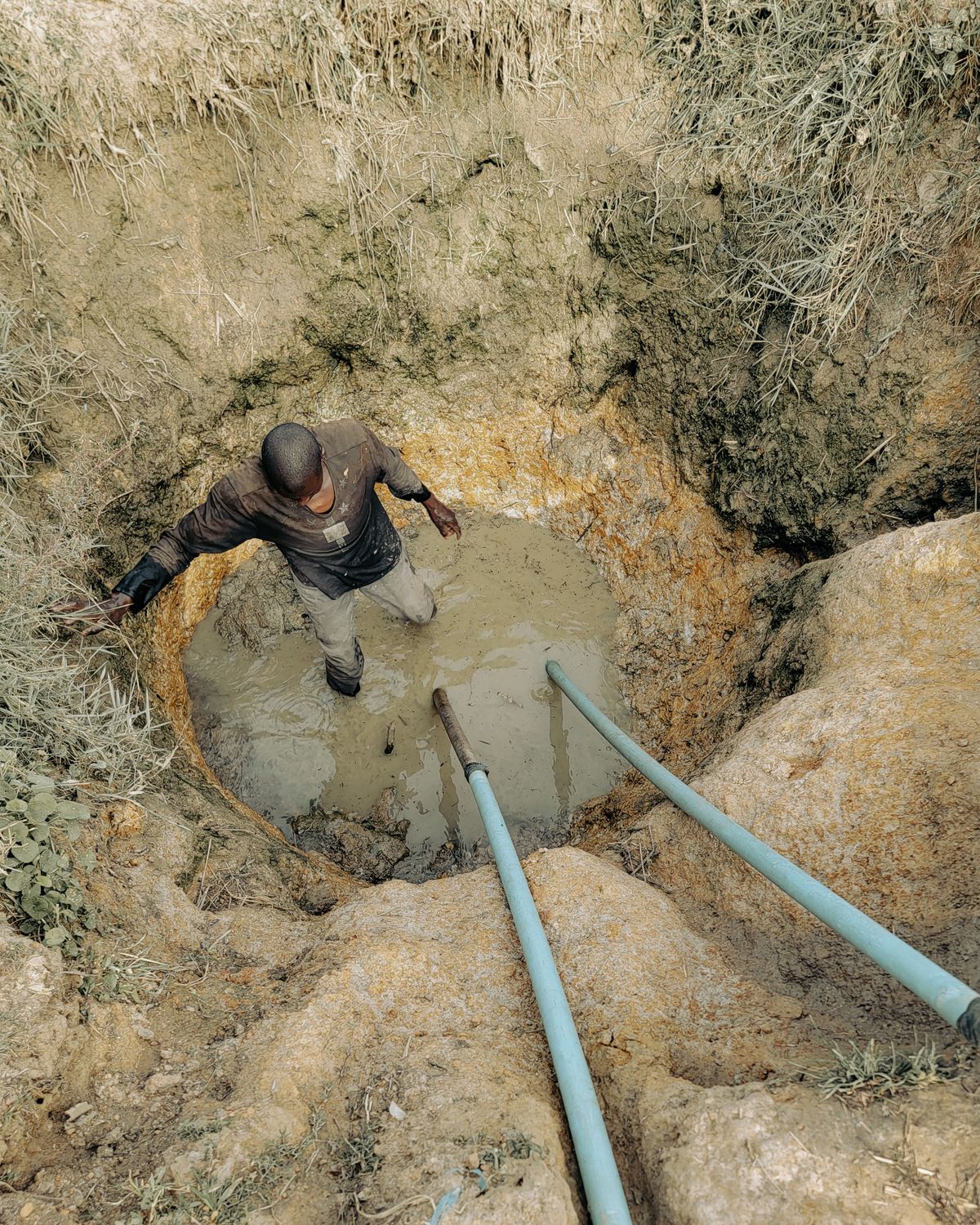
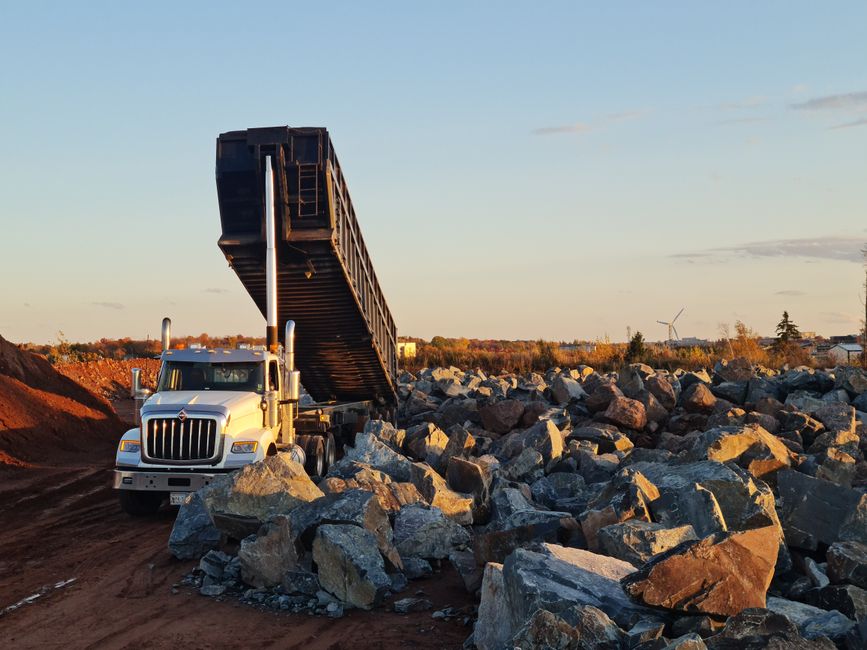
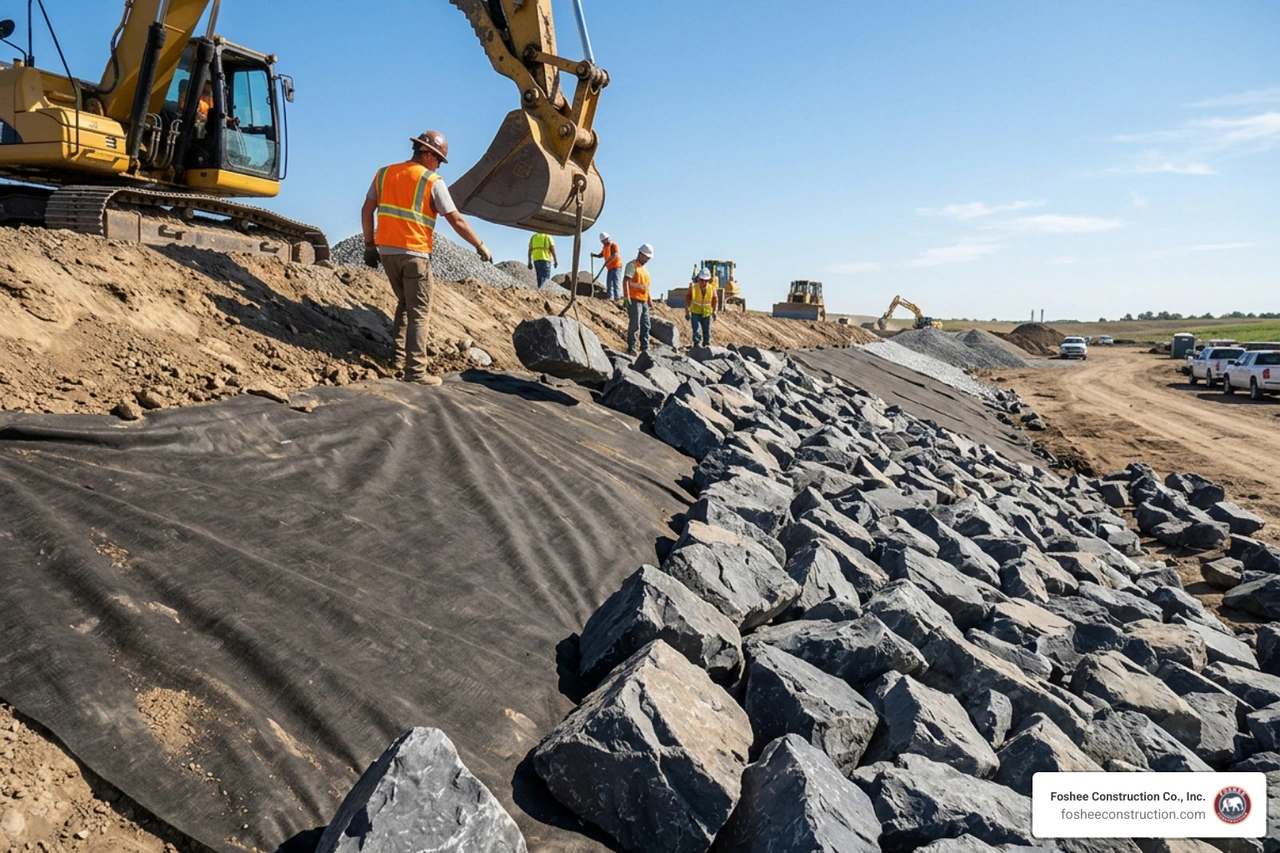
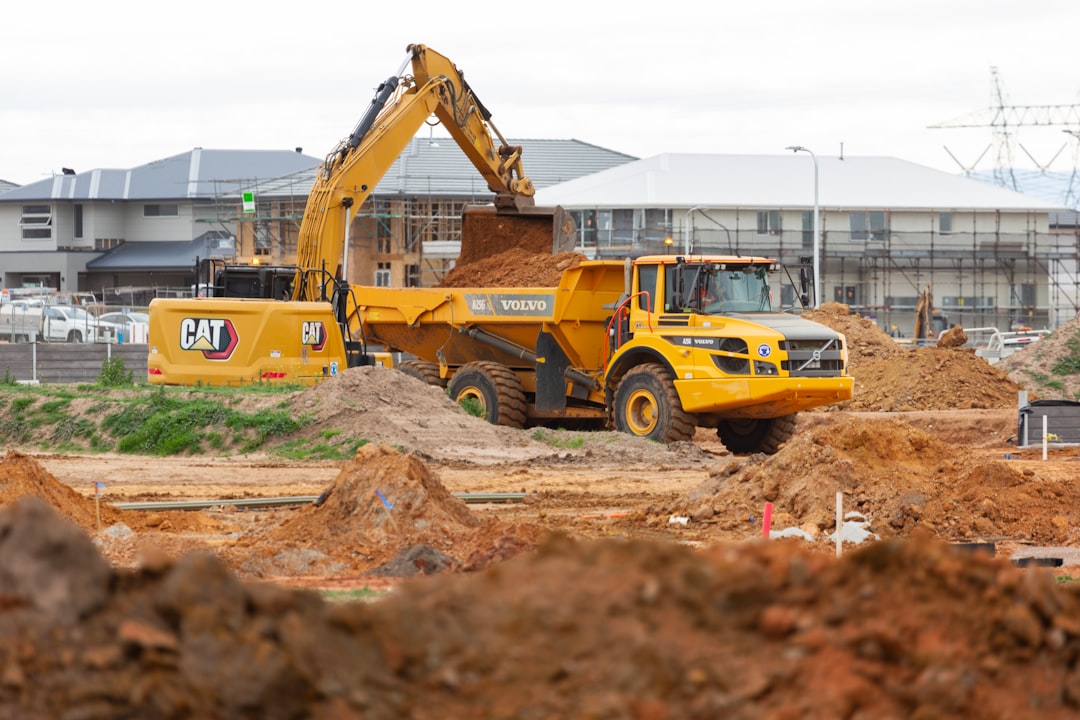
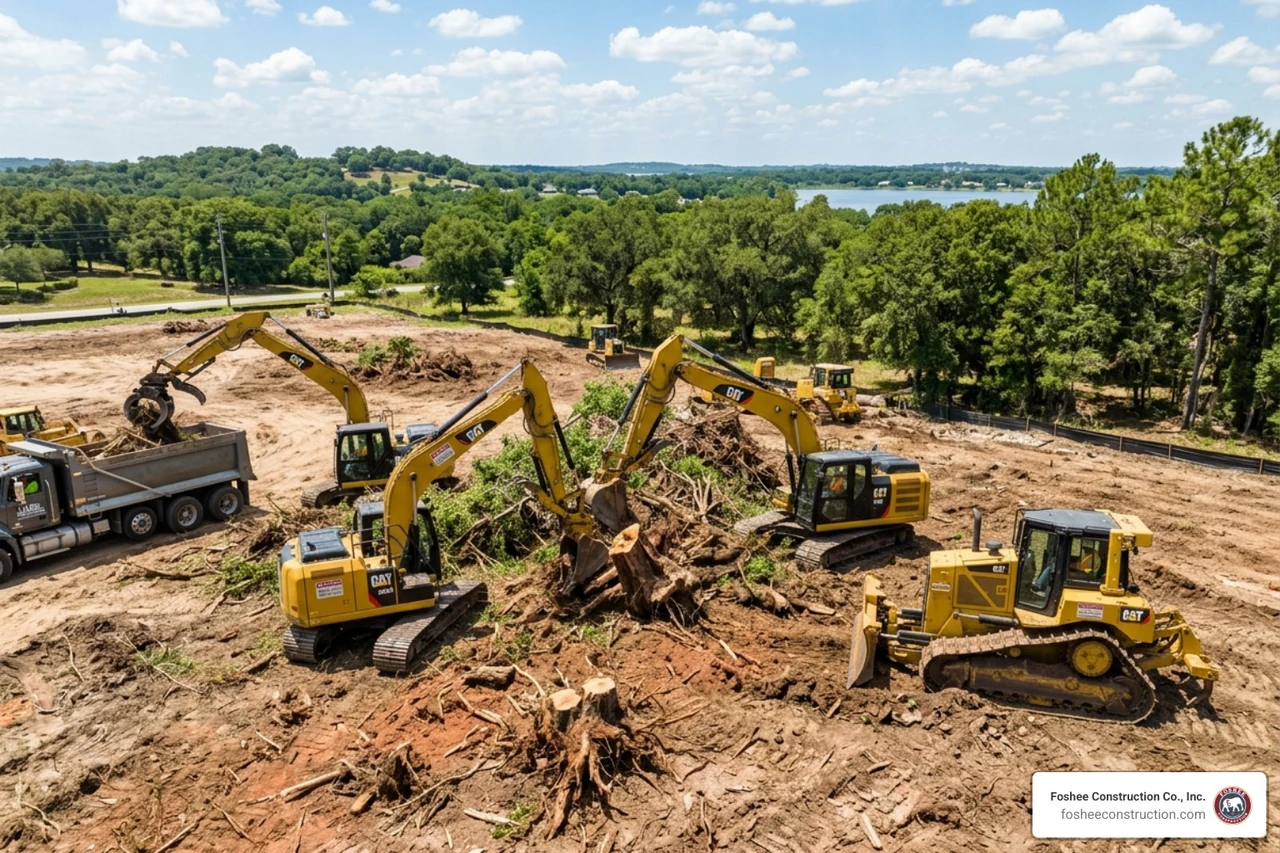
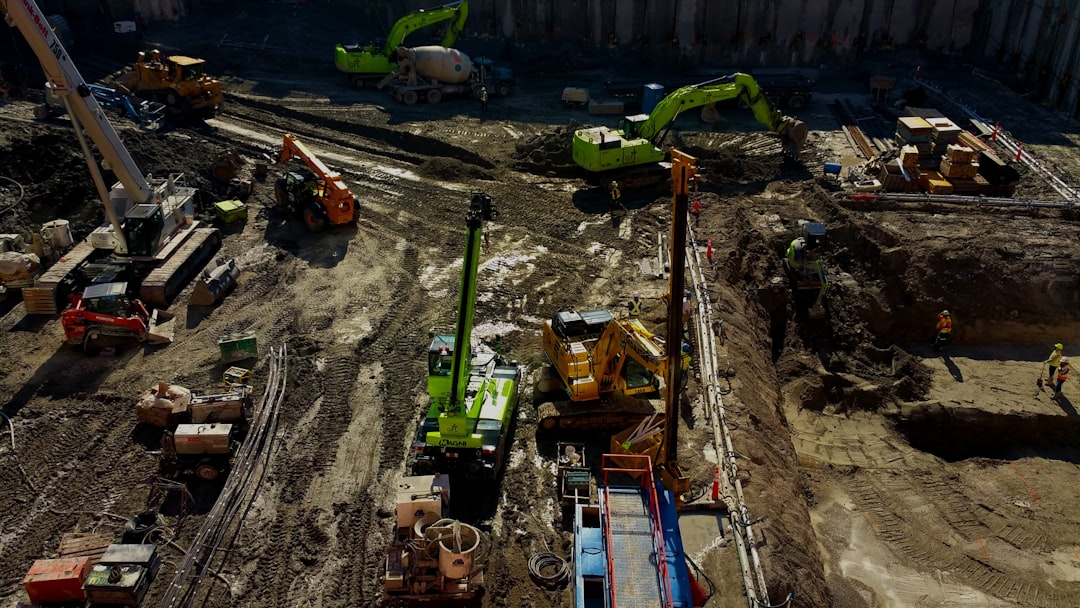
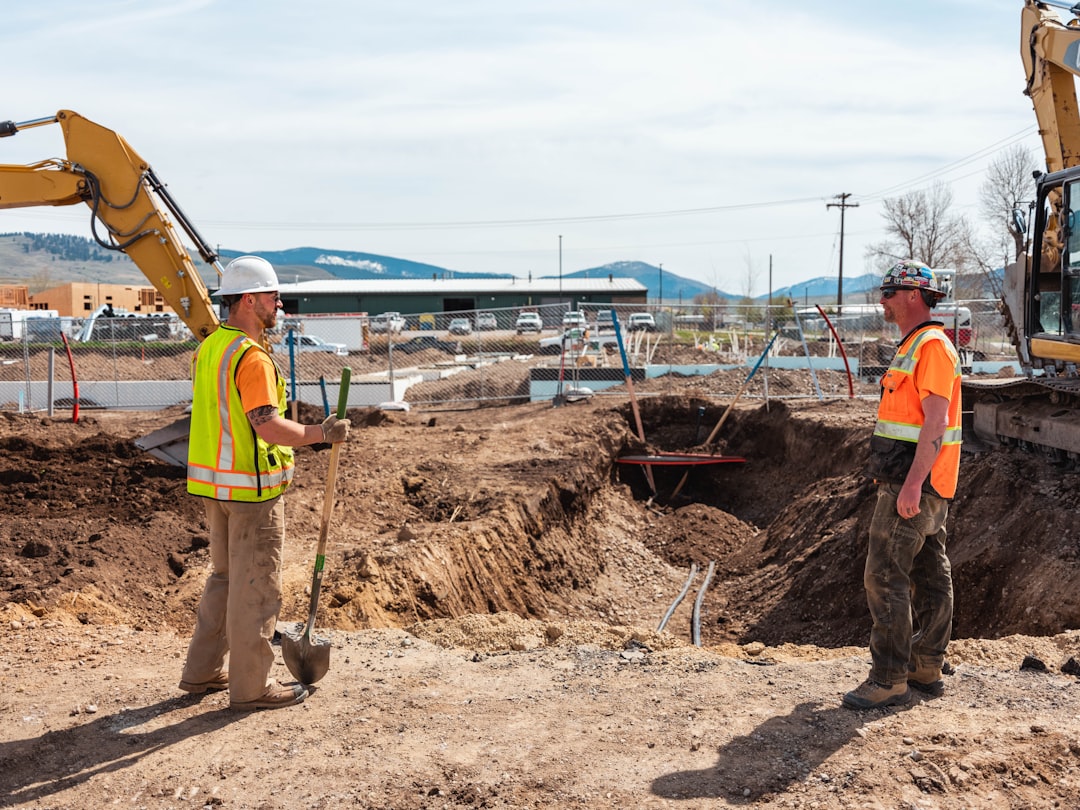
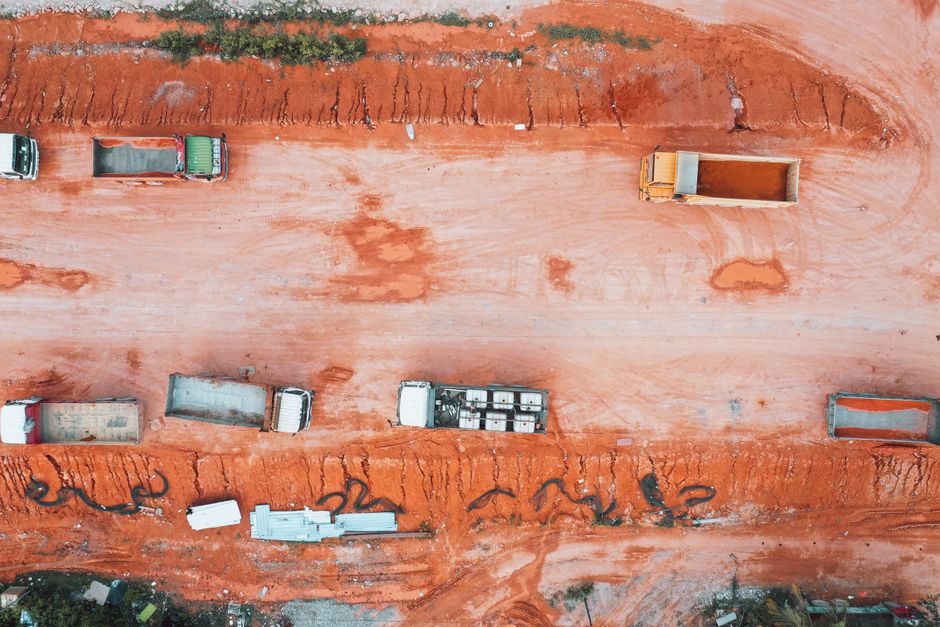
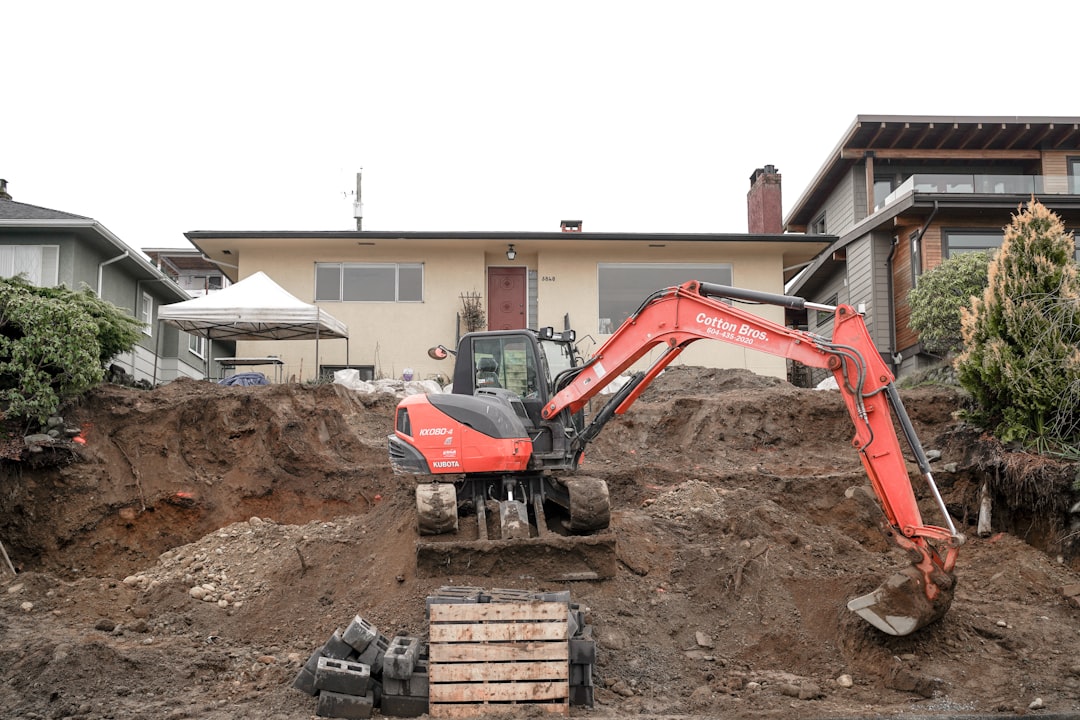
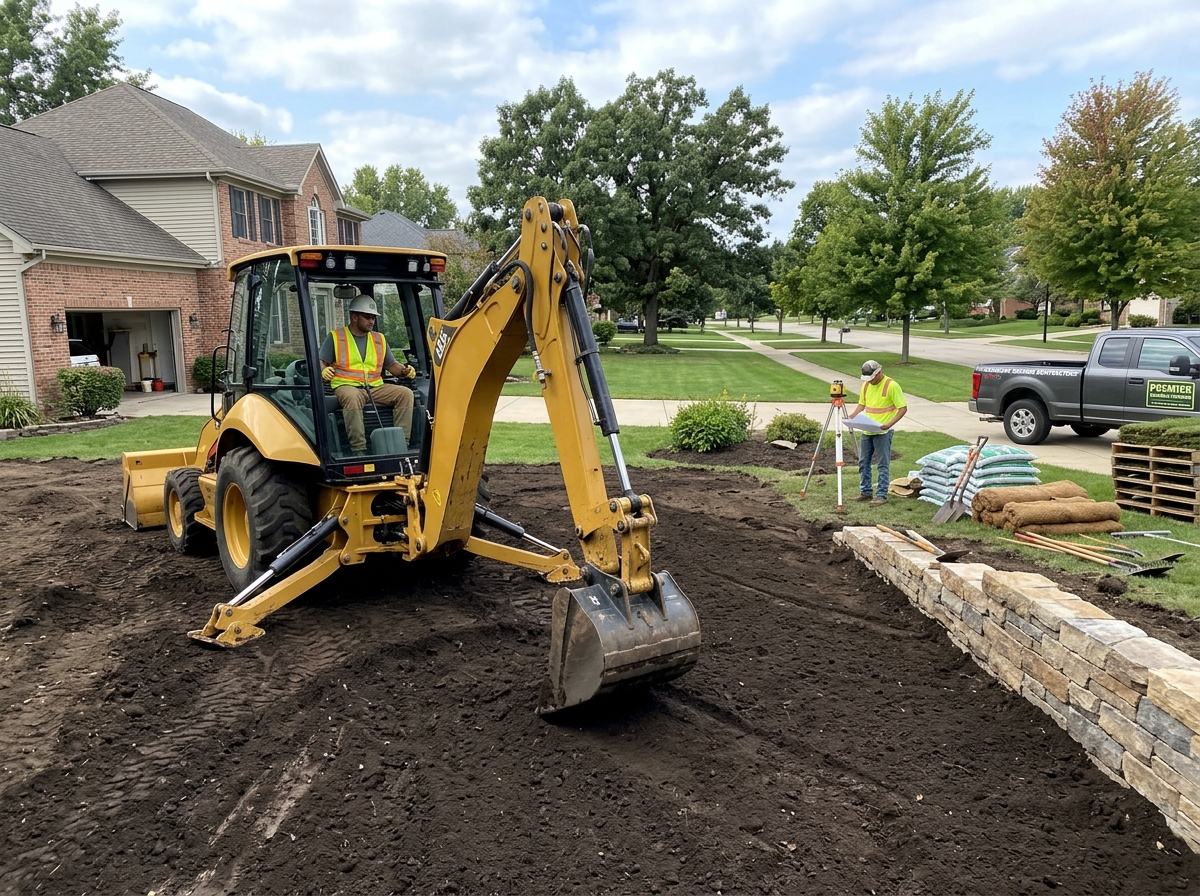
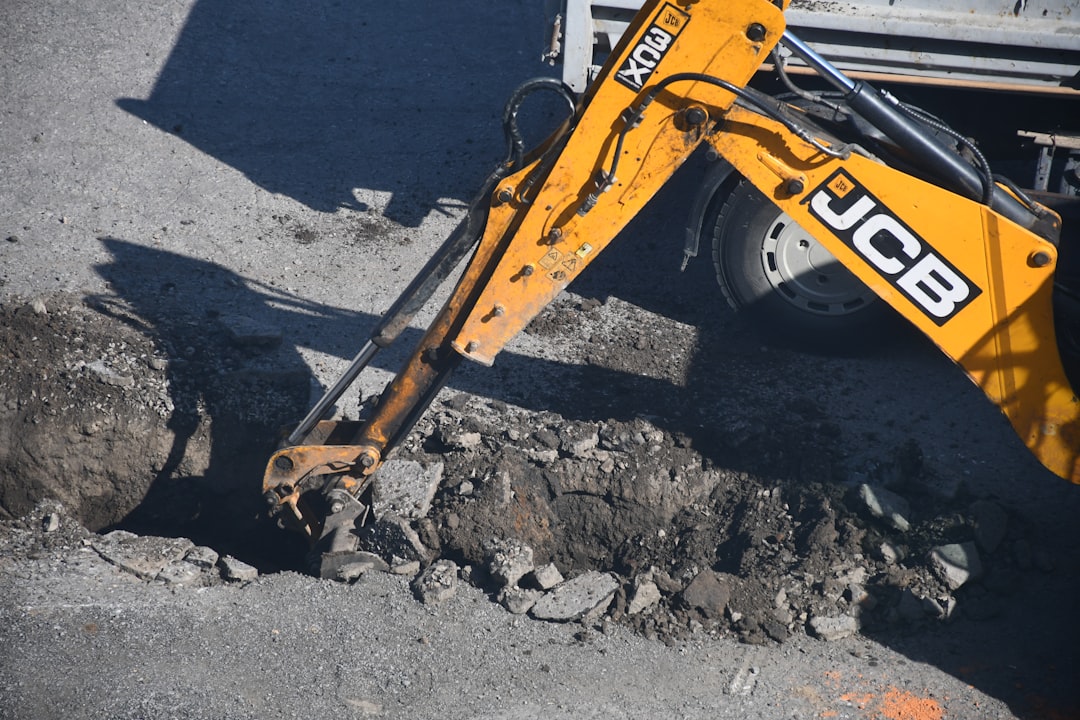
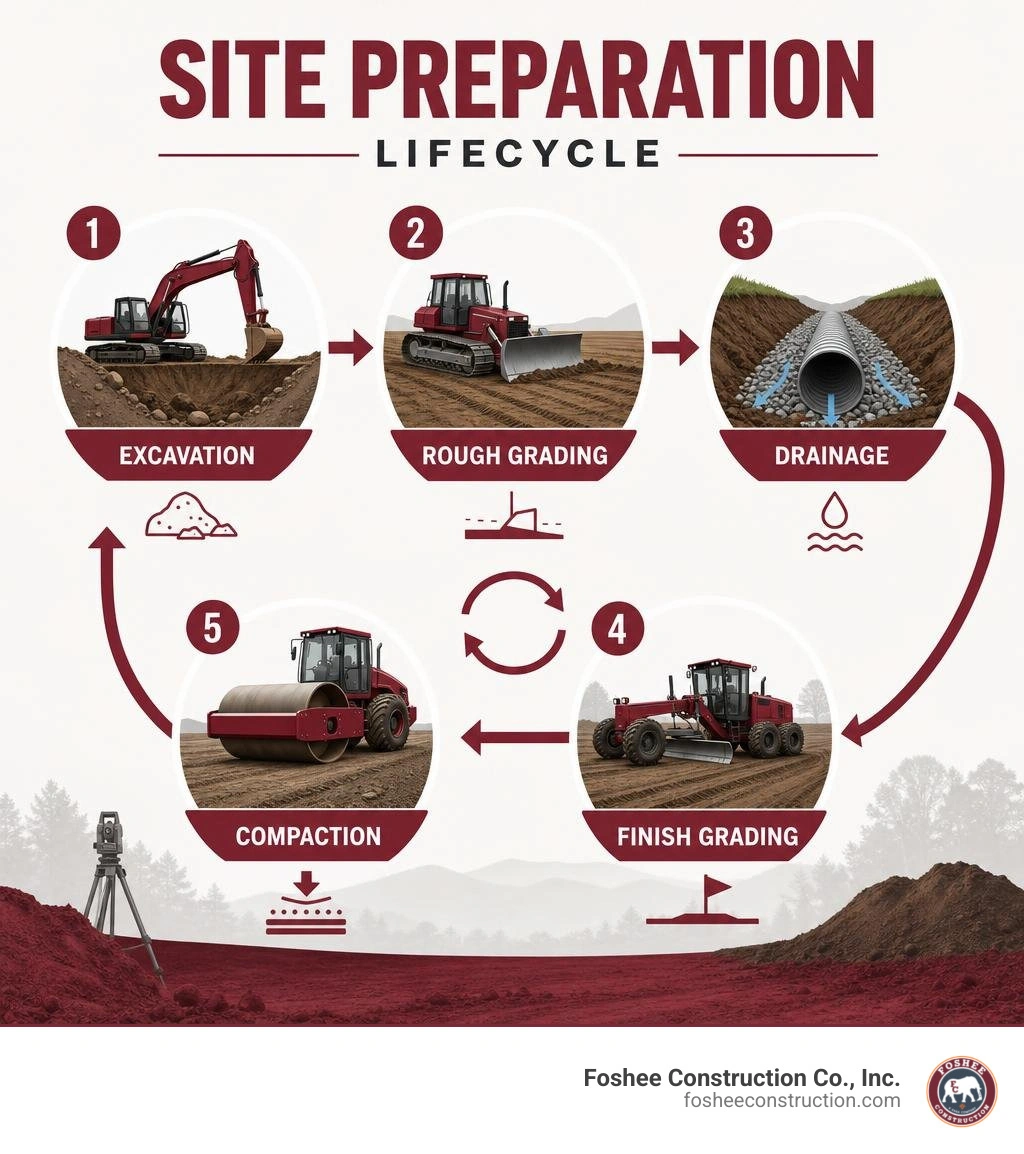
Excavation is typically the first major active phase on a job site. It involves heavy machinery—like excavators, backhoes, and dump trucks—digging into the earth to carve out space. We use excavation to dig out basements (though rare in Florida!), cut foundation footings, dig retention ponds, and clear away massive underground obstructions like boulders or old tree root systems. It is a highly practical, material-moving process focused on clearing out what doesn't belong and creating structural voids.
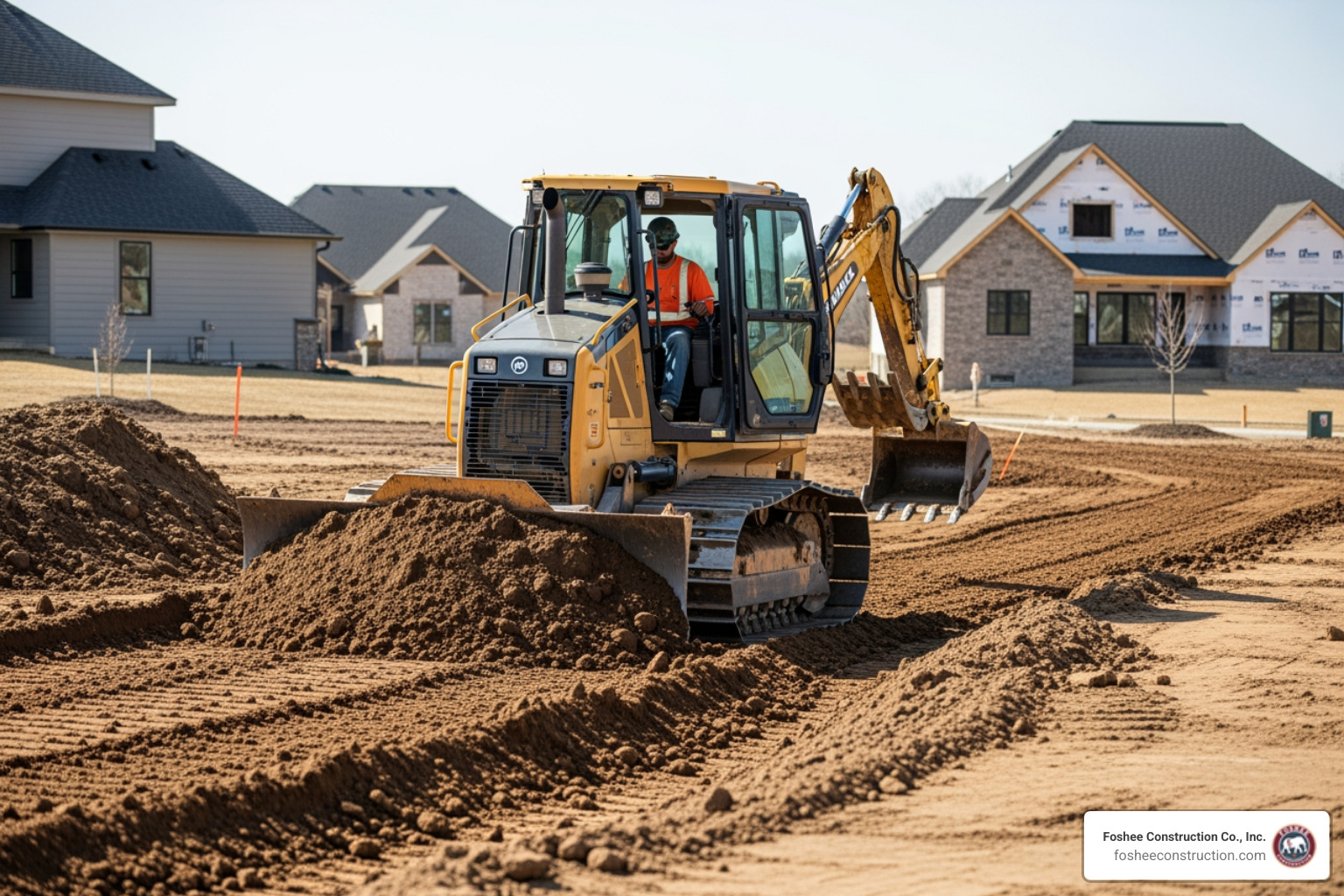
Land grading, on the other hand, is the art and science of sculpting the remaining earth. Instead of hauling massive amounts of dirt away, grading focuses on redistributing the topsoil and subsoil across the site to achieve a perfectly engineered elevation and slope. We grade to ensure that water flows away from your future structures, driveways are smooth, and the ground is completely stable.
To explore how these phases fit into the broader scope of site work, check out our guide on site preparation services.
Think of site preparation as the silent partner in structural engineering. No matter how strong your concrete mix is or how many steel rebar supports you place in your foundation, a building is only as stable as the dirt beneath it.
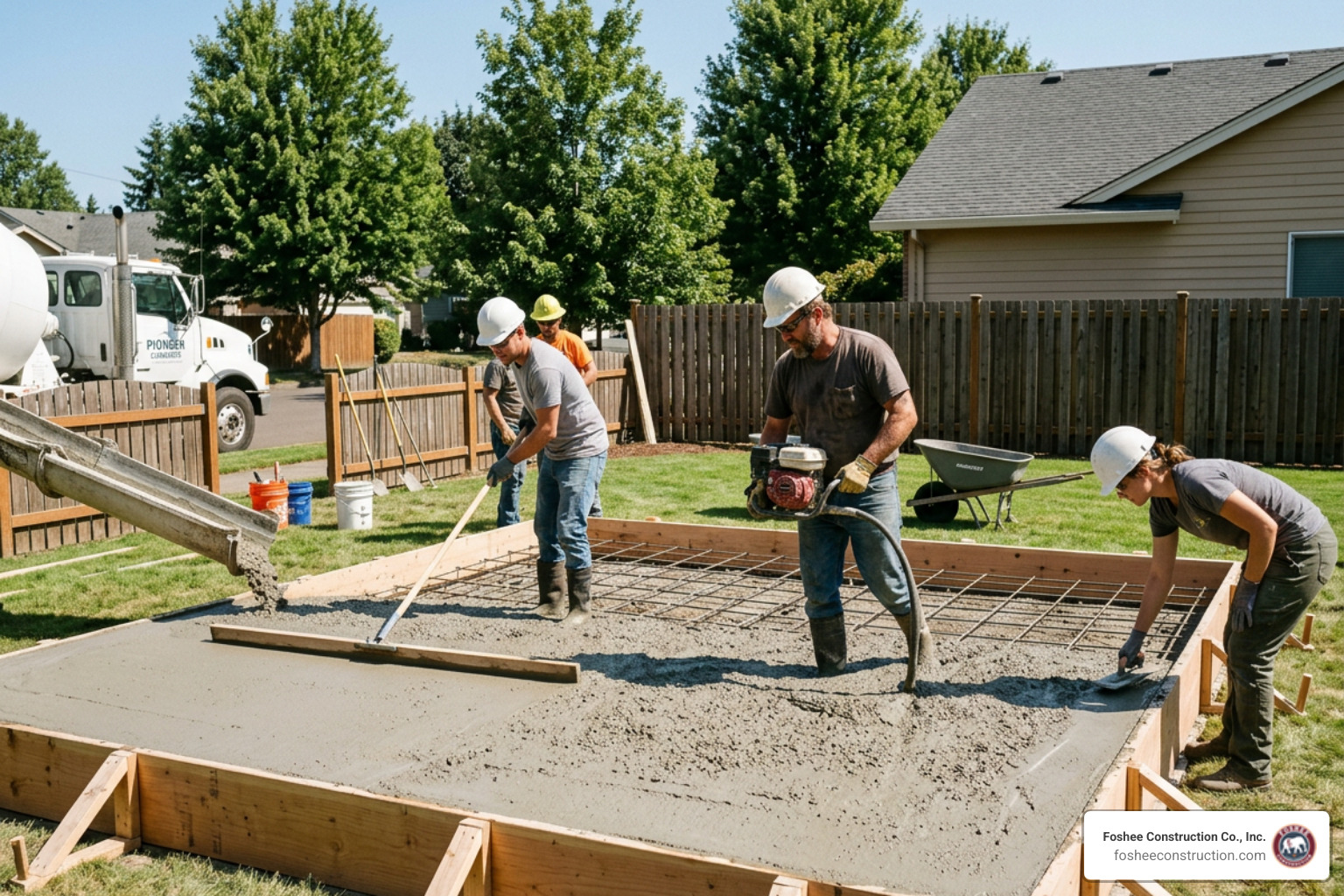
When we perform site preparation, we are systematically addressing the physical properties of the soil. Unprepared raw land is full of air pockets, organic debris, and variable moisture levels. If you pour a foundation directly onto untreated ground, the weight of the structure will cause the soil to shift and compact unevenly. This leads to uneven settling, which manifests as cracked walls, sticking doors, jammed windows, and eventually, catastrophic structural failure.
Proper site preparation ensures that the soil is cleared of organic matter (which rots and leaves structural voids), graded to direct water away from the foundation, and compacted to the exact engineering specifications required to support the building's weight. Whether you are building a commercial facility in Minneola or a single-family home in Lake County, starting with professional site prep is non-negotiable. For a deeper dive into this process, read our article on Site Preparation for House Construction.
Not all grading is created equal. Depending on where we are in the construction timeline and what the final goals of the project are, we utilize different grading techniques to achieve the desired topography.
The grading process is generally split into two main phases: rough grading and finish grading.
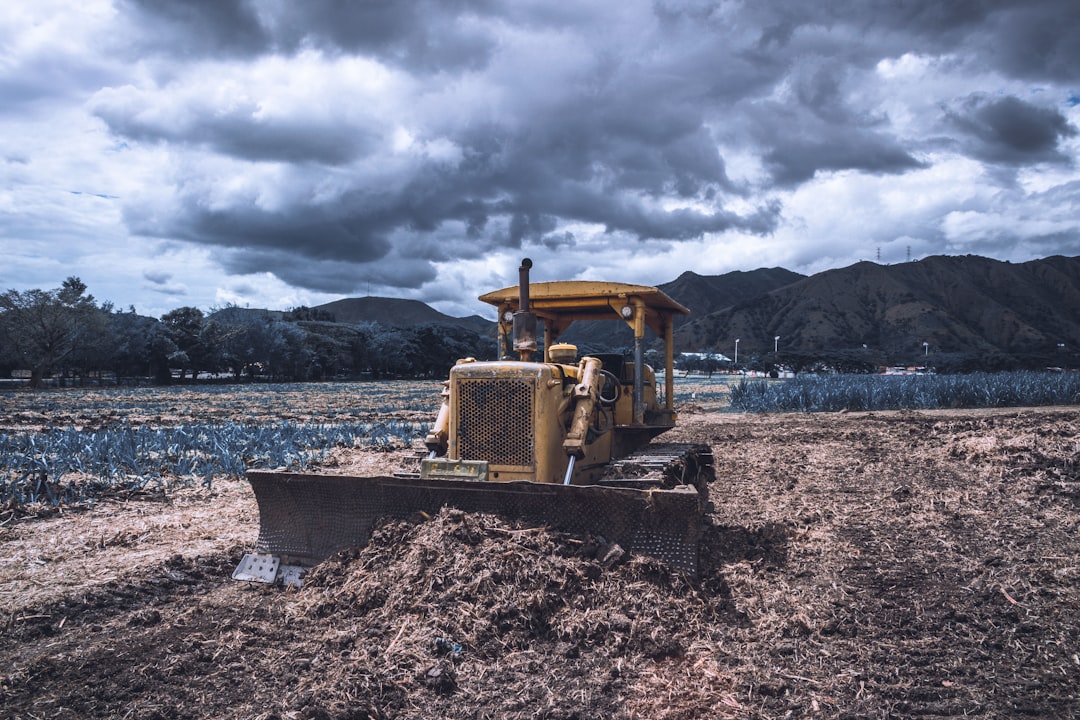
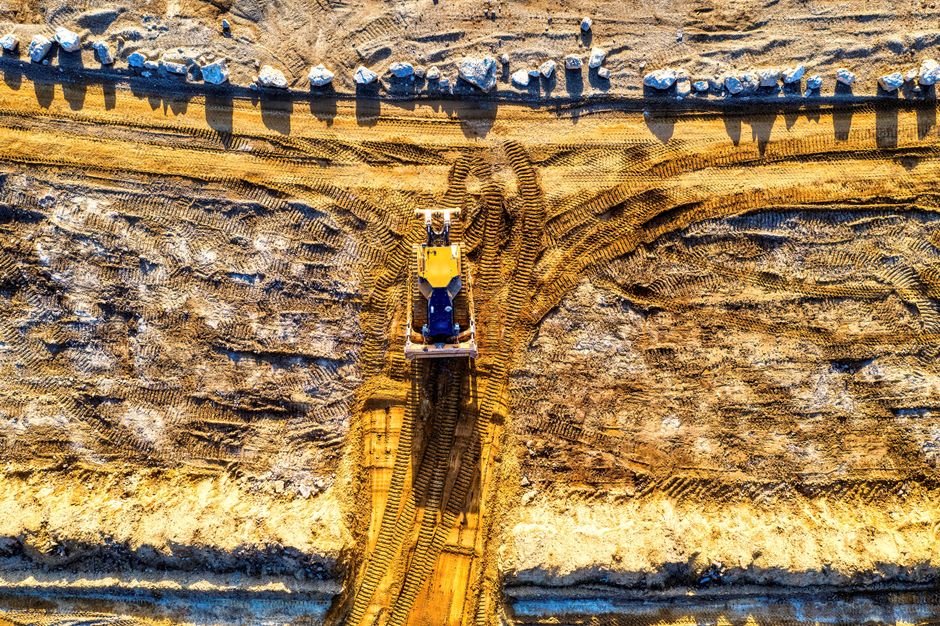
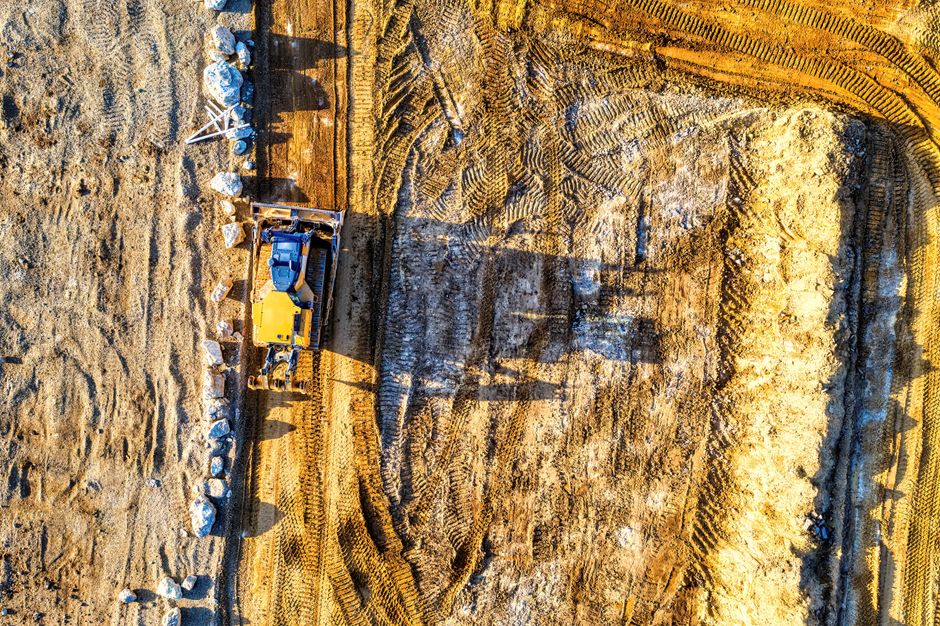
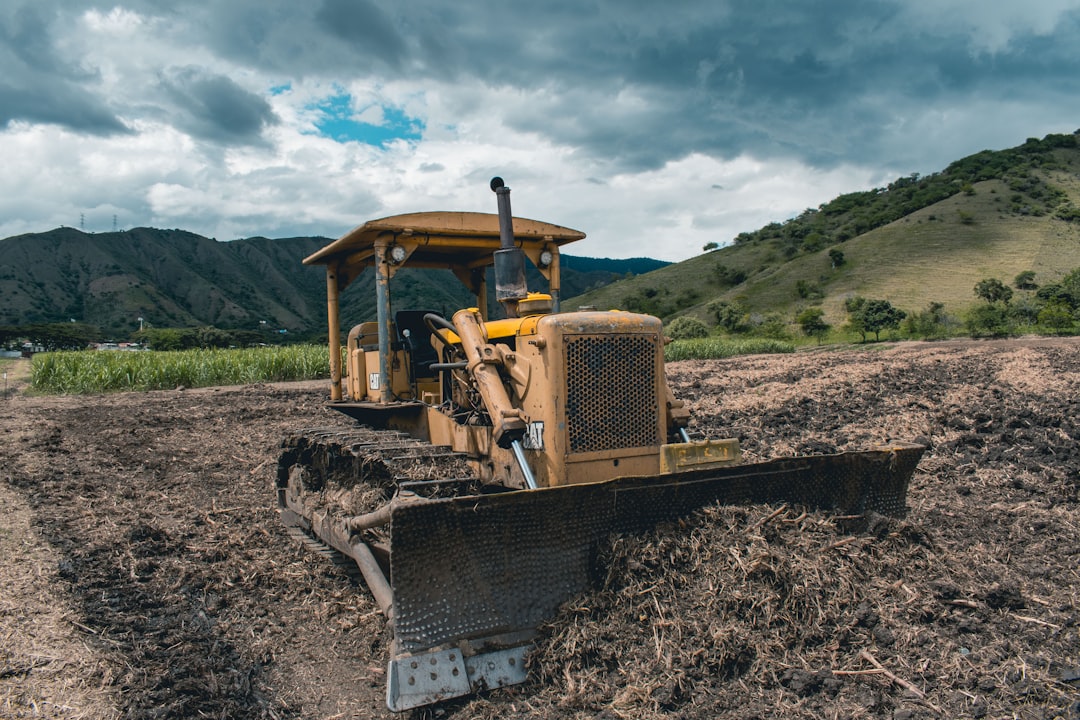
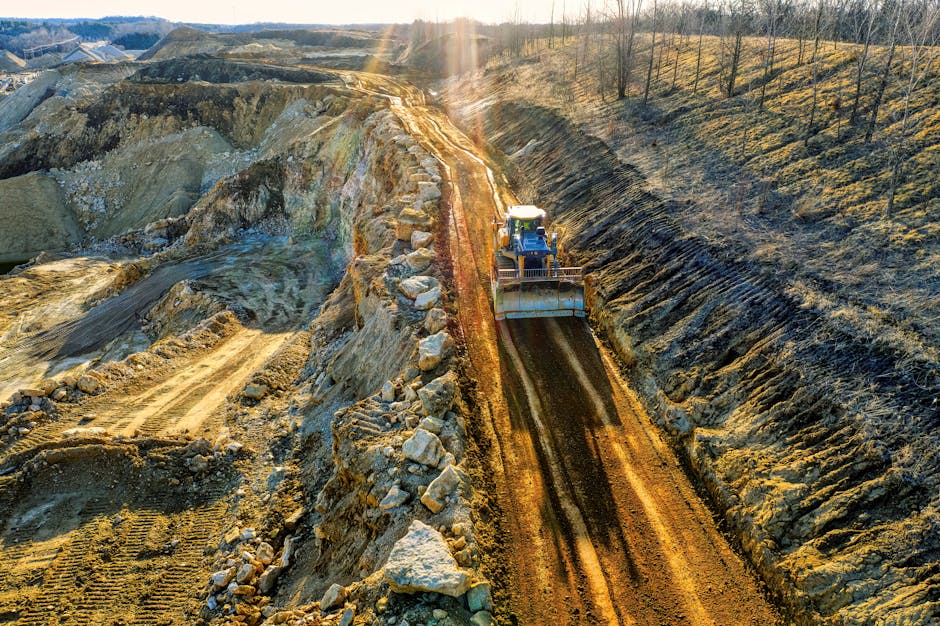
Rough grading is the heavy-lifting phase. Once excavation is complete, we use heavy machinery like bulldozers and scrapers to move large masses of earth. The goal here is to establish the basic shape, elevation, and drainage patterns of the site. During rough grading, we shape the slope of the yard, build up the building pad (the elevated dirt platform where the foundation will sit), and cut out the primary paths for swales and retention areas. This phase establishes the "bones" of the property's topography.
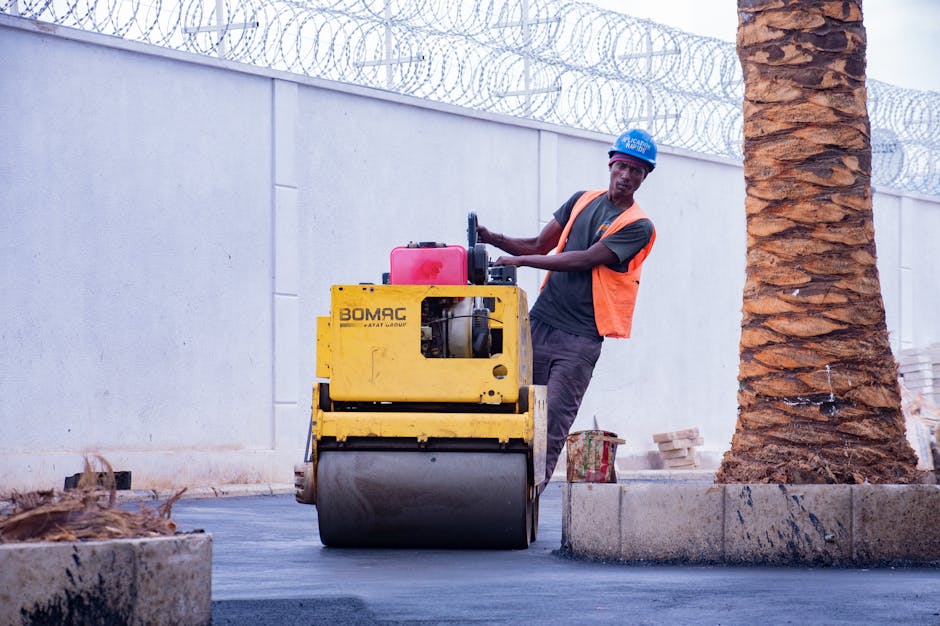
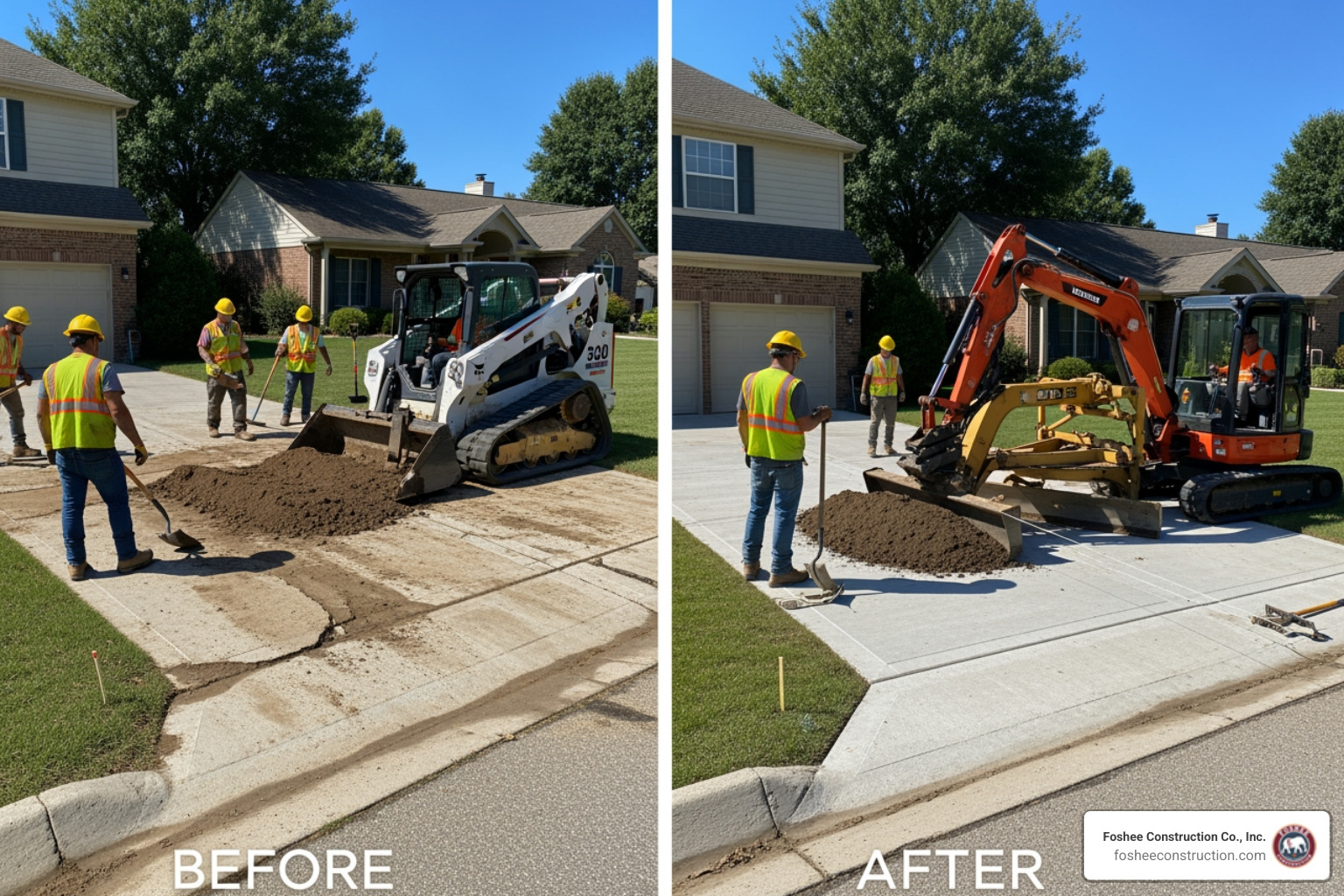
Finish grading is the precision work that follows. Once the heavy construction is wrapping up, we return with smaller, highly precise equipment—such as skid steers with landscape rakes or laser-guided grading attachments—to prepare the top layer of soil. Finish grading removes small rocks, clods of clay, and minor imperfections. It refines the slope to within a fraction of an inch, creating a perfectly smooth, stable bed that is ready for sod, landscaping, or asphalt paving.
To learn more about how professional contractors execute these stages, read our Landscape Grading Contractors guide.
Two specialized types of grading that we perform regularly are drainage grading and cut-and-fill grading.
For detailed strategies on managing these transitions, refer to our Grading and Drainage Contractor guide and our Driveway Grading Services overview.
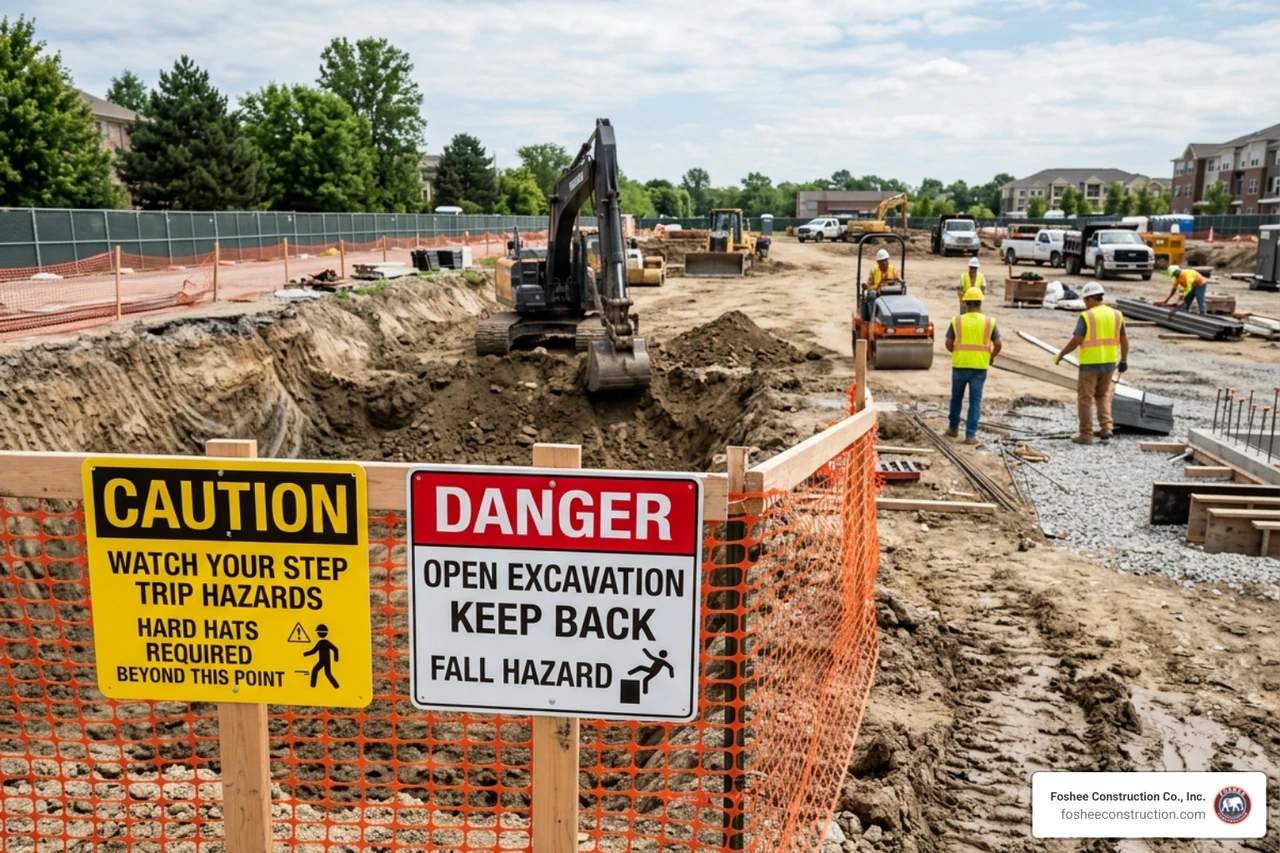
Excavation is much more than just digging a hole in the ground; it is a highly technical discipline that requires skilled operators, specialized machinery, and strict adherence to safety protocols.
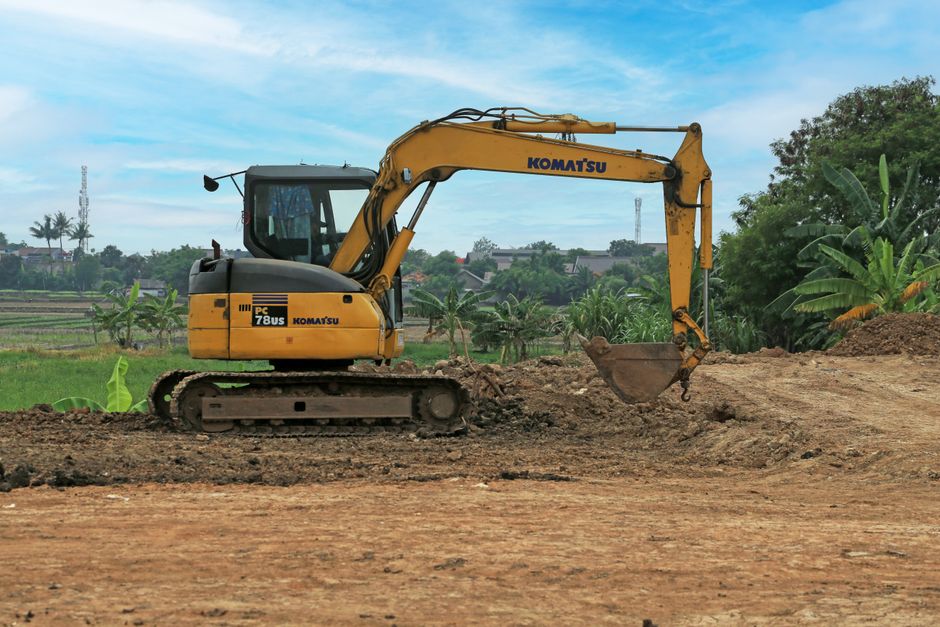
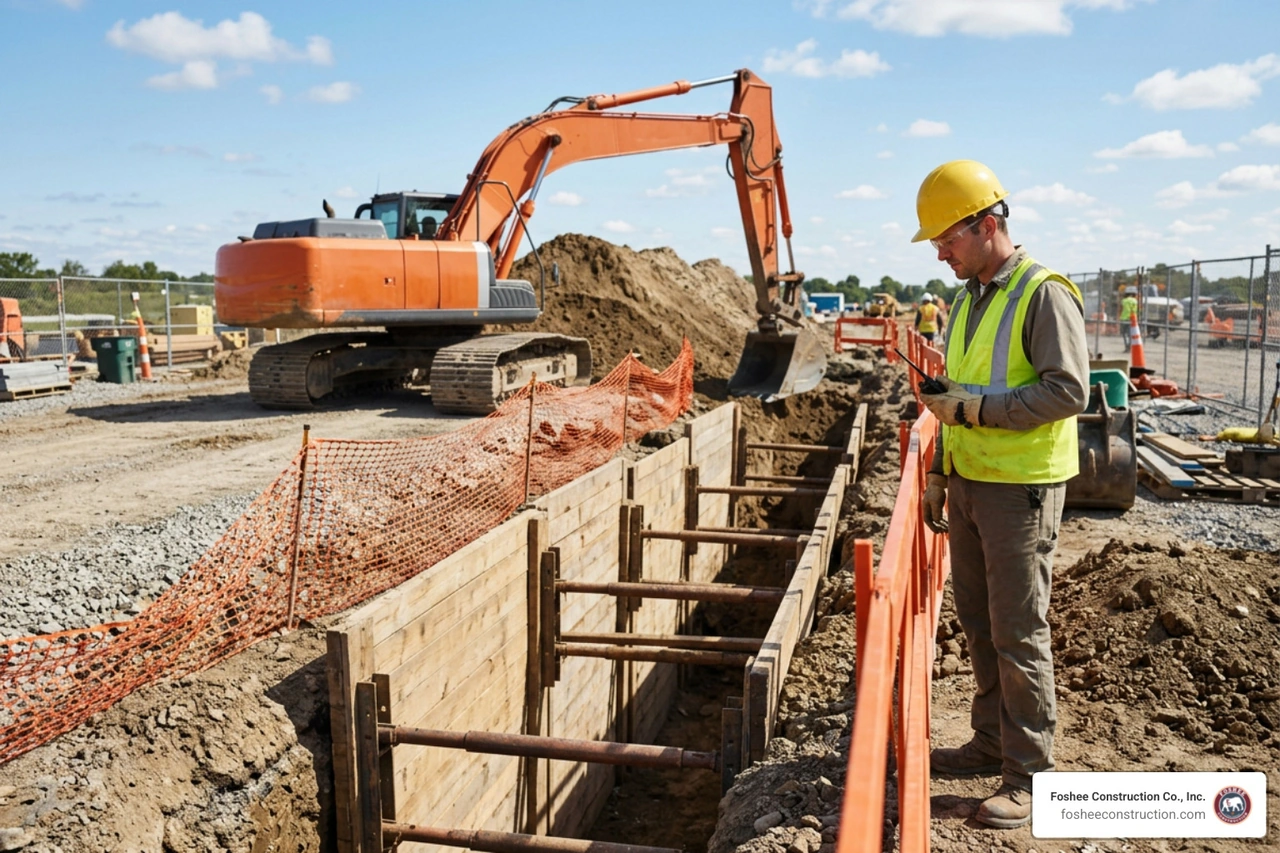
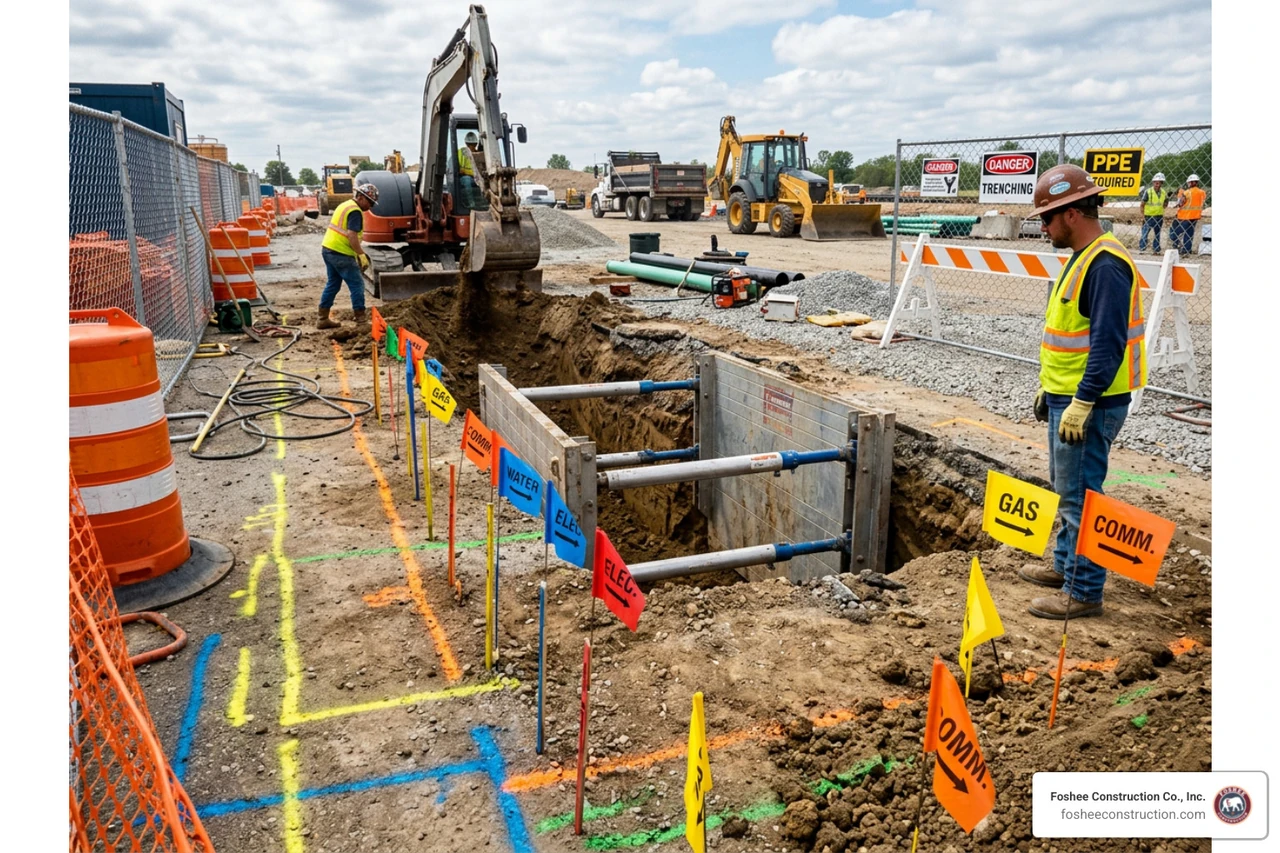
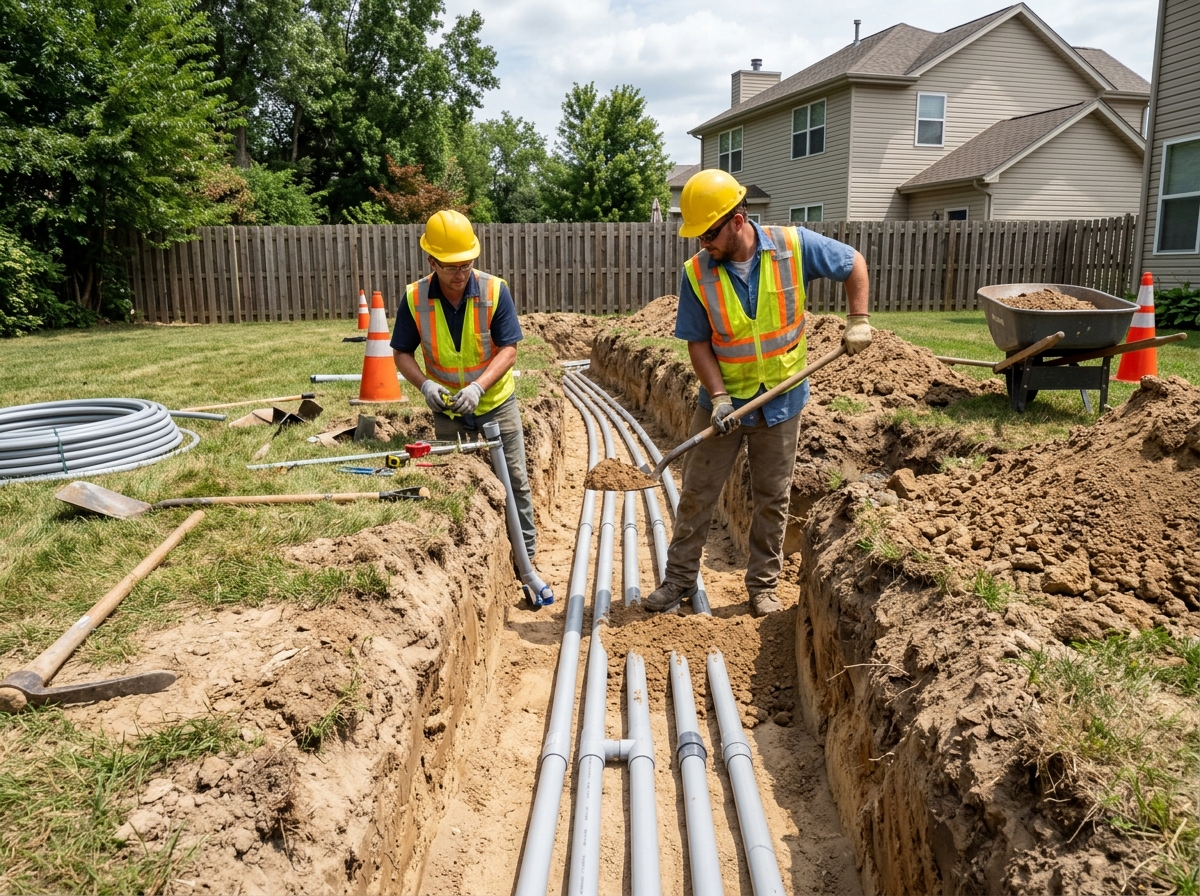
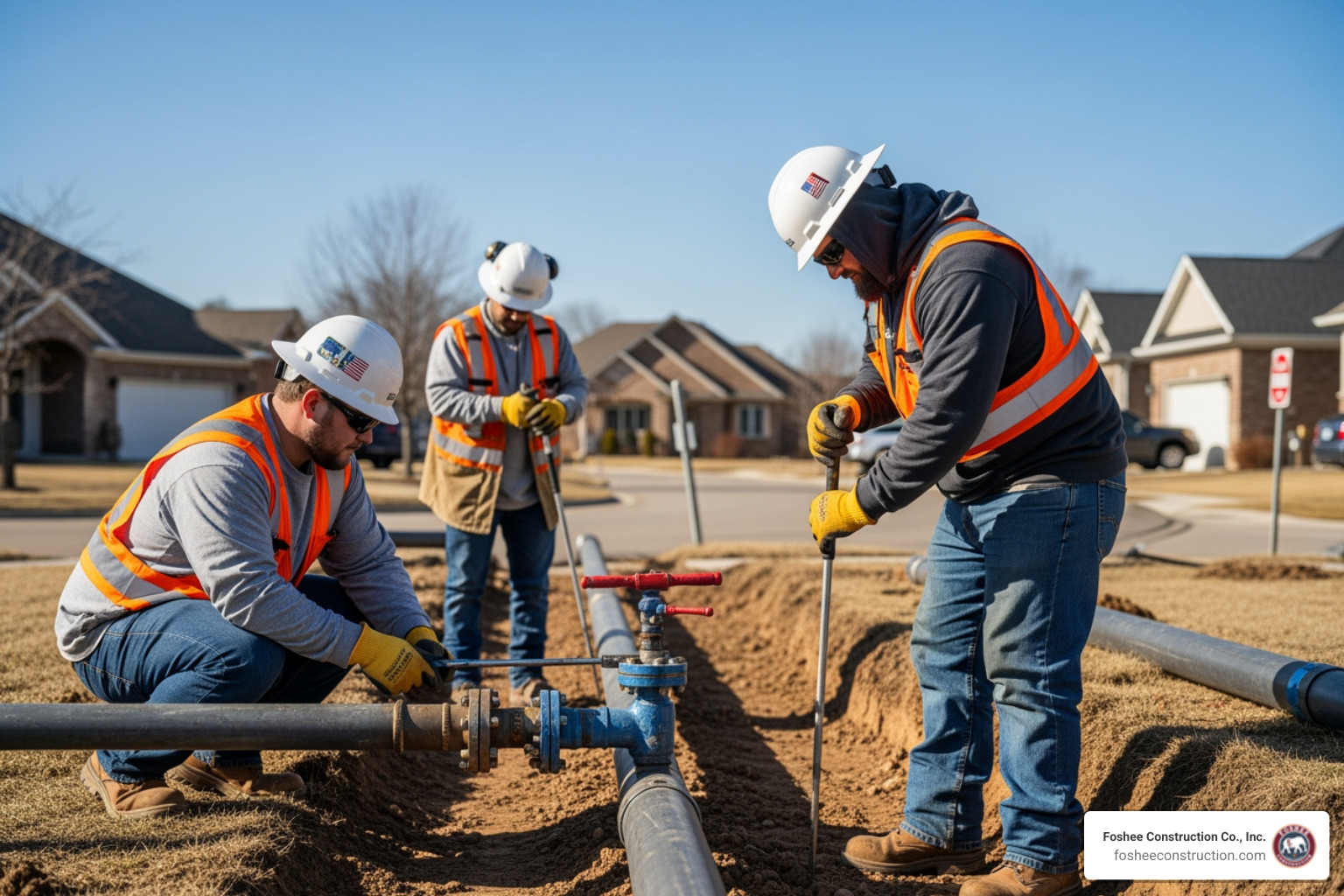
Before any concrete is poured, we must prepare the ground to receive the structural elements of the building. This is where structural excavation and trenching come into play.
To explore the standards required for these high-stakes tasks, check out our Grading and Excavating Contractor Guide 2026.
Gone are the days when grading was done entirely by eye and a handheld transit level. Today, we utilize cutting-edge technology to achieve unmatched precision on our job sites.
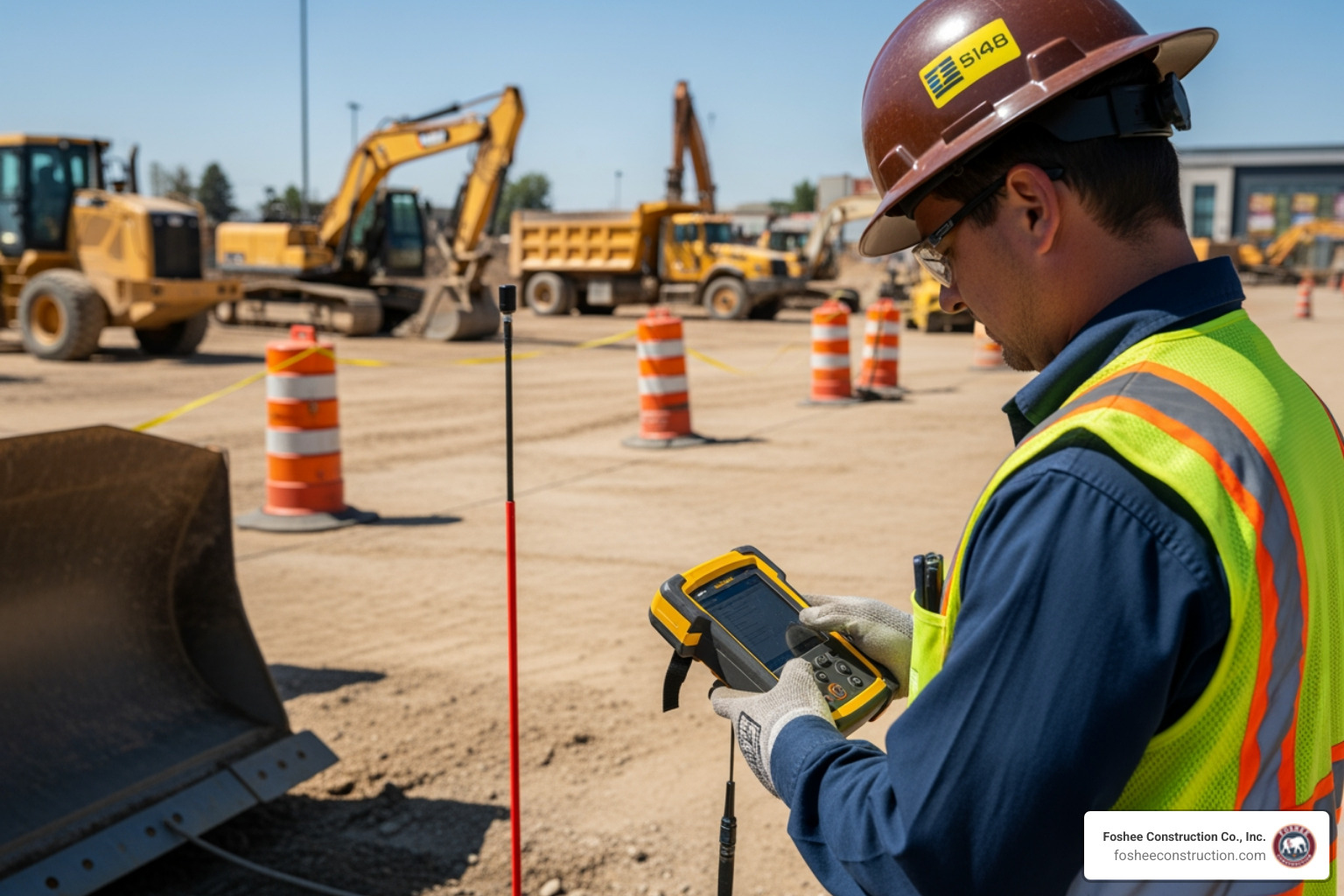
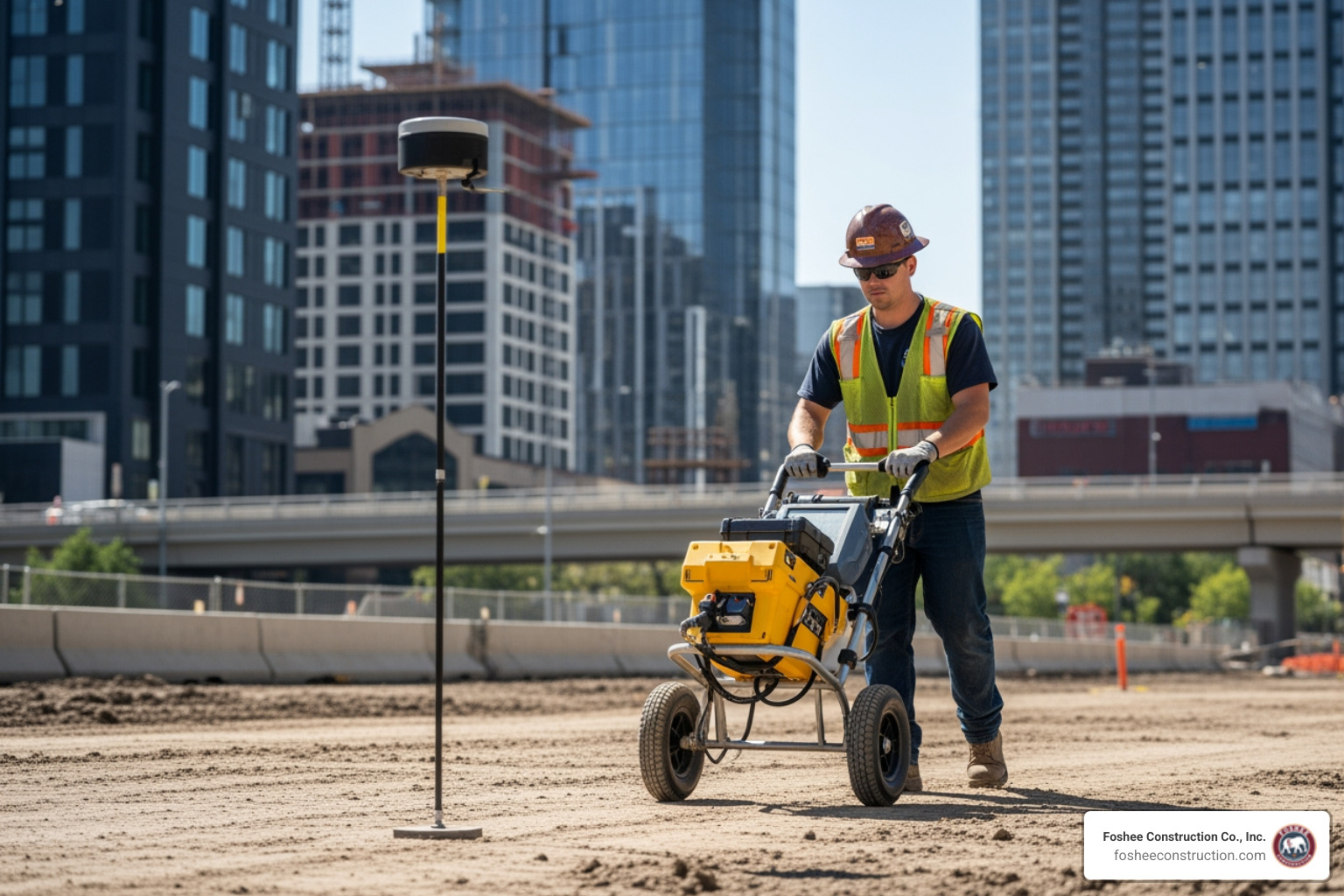
At Foshee Construction, we utilize GPS grading systems and laser leveling technology. These systems integrate 3D digital site models directly with the hydraulic controls of our heavy machinery. As the operator drives a bulldozer or motor grader, the GPS/laser system automatically adjusts the blade to the exact millimeter required by the engineering plans.
This technology allows us to achieve grades within an inch of our target elevation. It eliminates human error, drastically speeds up project timelines, reduces fuel consumption, and ensures that building pads and drainage slopes are 100% accurate. For projects requiring this level of precision, we recommend reviewing our Landscape Grading Contractors Guide 2026.
When it comes to site preparation, there is zero room for error. A building pad that is off by just a couple of inches can cause structural problems, while a drainage slope that doesn't flow correctly will inevitably lead to standing water, erosion, and long-term property damage.
We have seen what happens when property owners cut corners on land grading and excavation. The consequences are almost always incredibly expensive to fix.
Without proper grading, rainwater will pool against the foundation of your home or commercial facility. Over time, this water saturates the soil, causing it to expand and contract. This constant movement puts immense hydrostatic pressure on your foundation, leading to cracks, water intrusion, mold growth, and structural shifting. Furthermore, poorly compacted soil will settle unevenly under the weight of a building, causing the foundation to sag and crack. Investing in professional earthwork from the start is the single best insurance policy you can buy for your structure.
Learn how to protect your investment with our Grading Contractors Complete Guide.
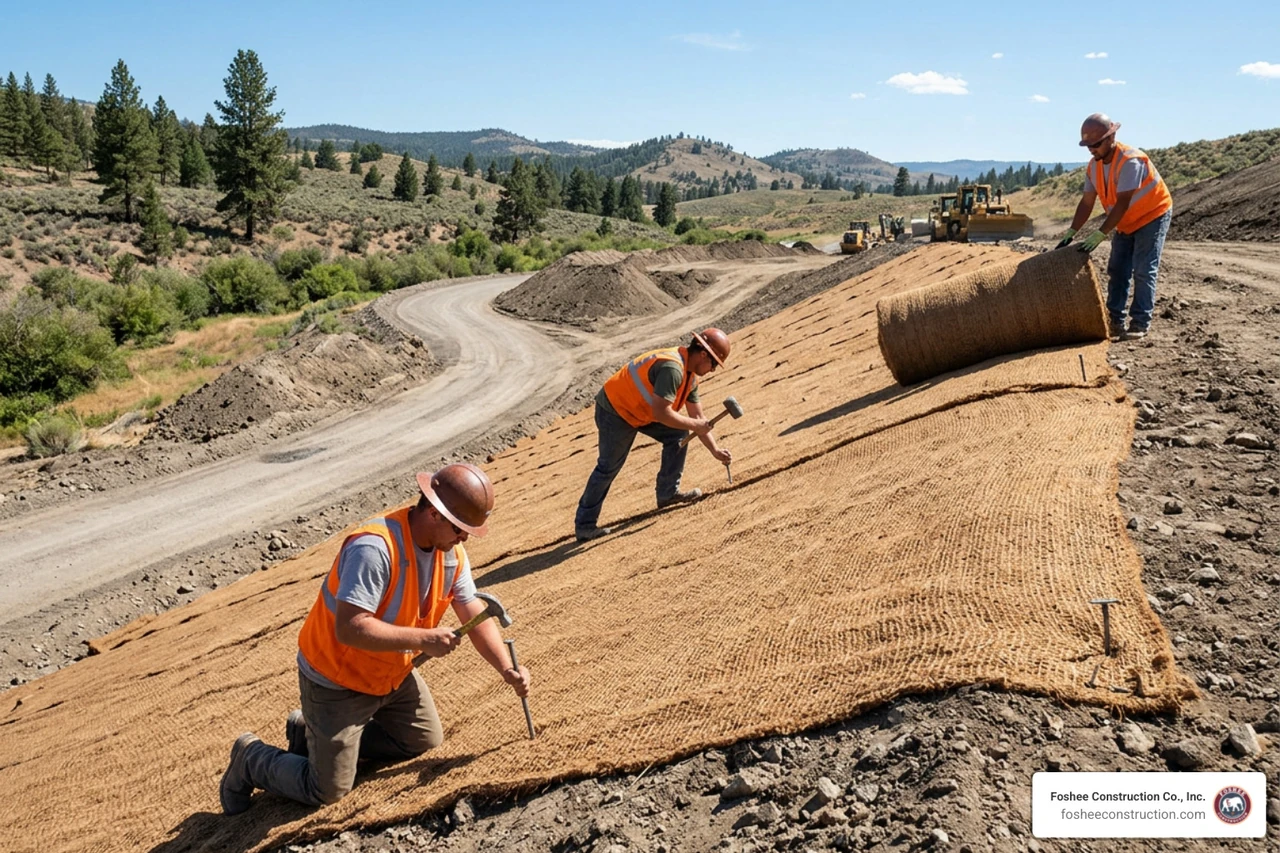
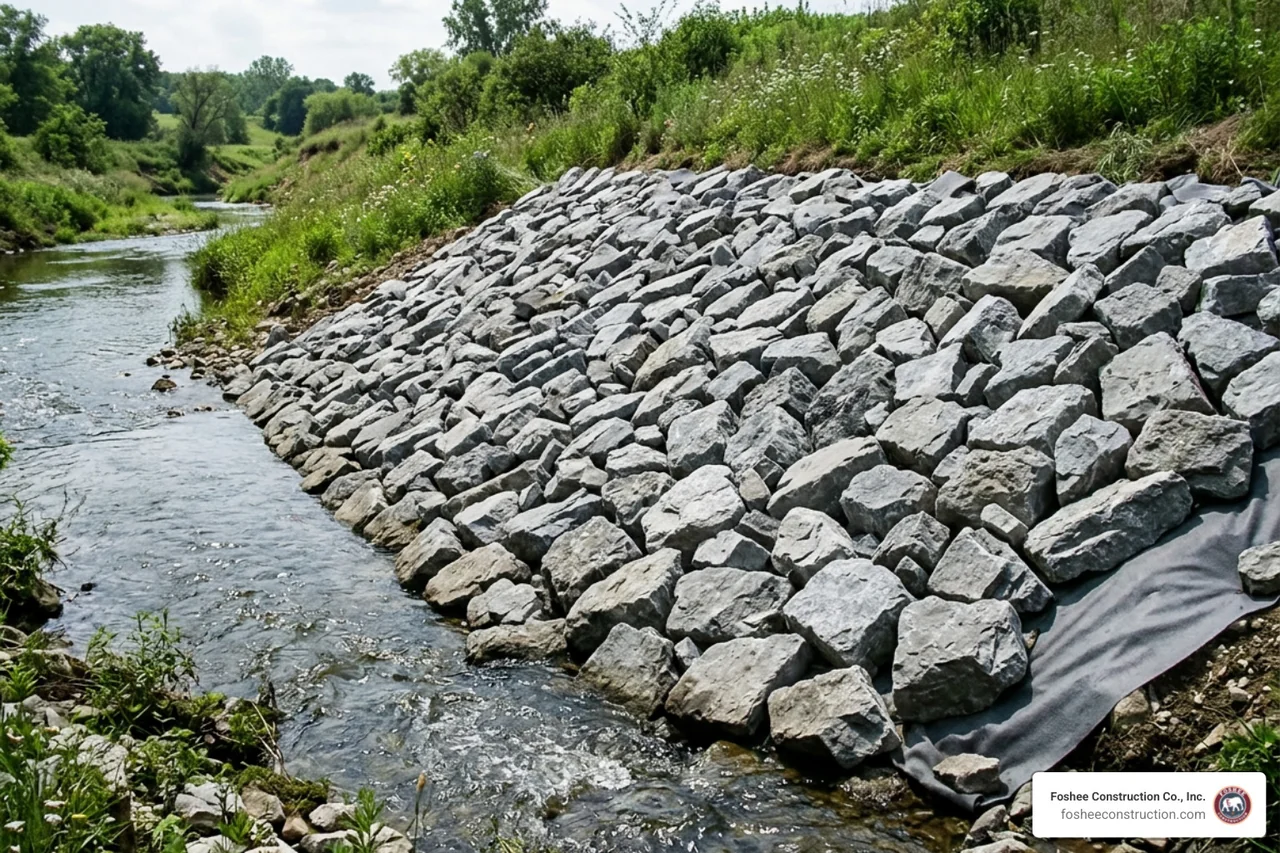
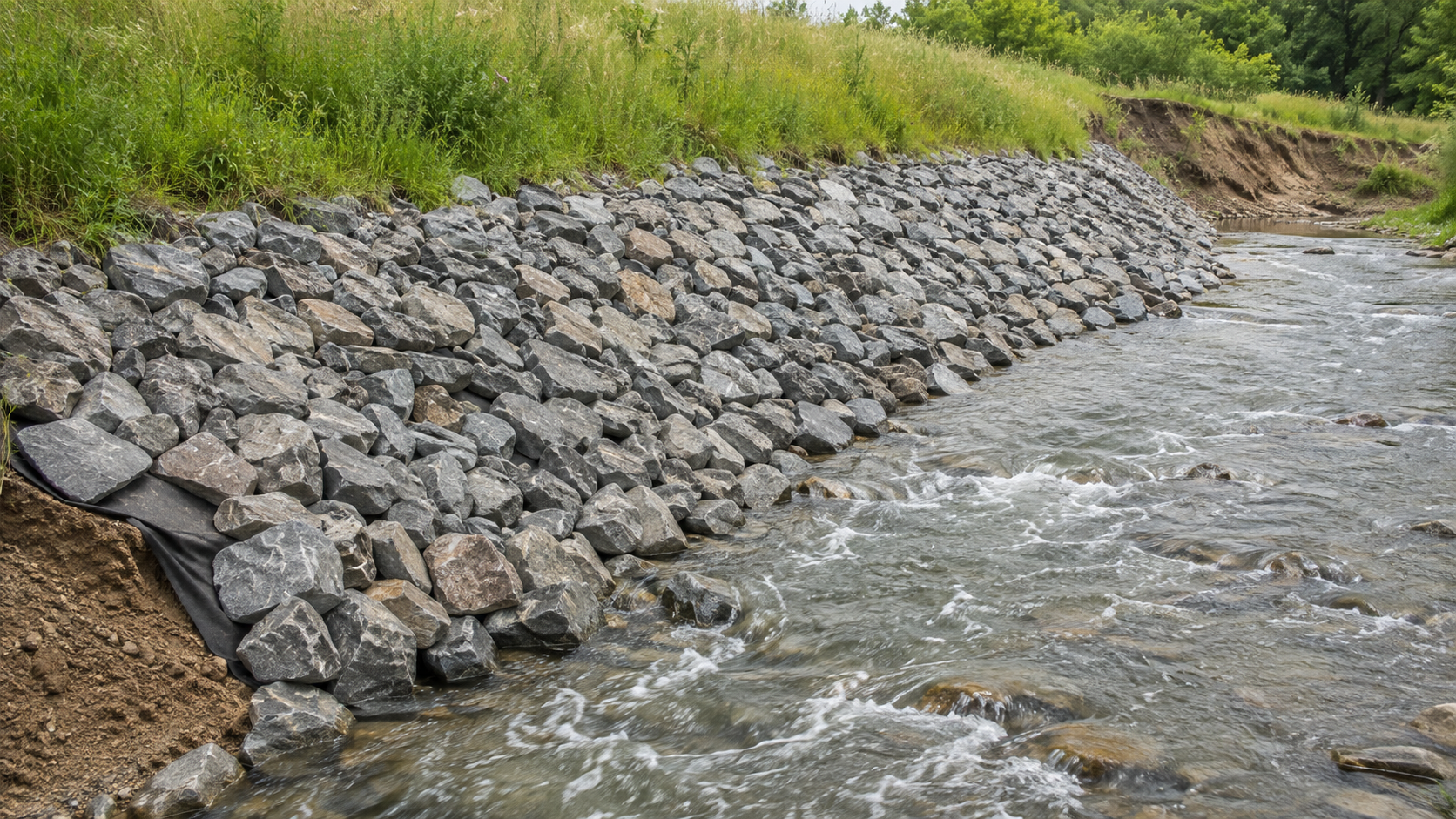
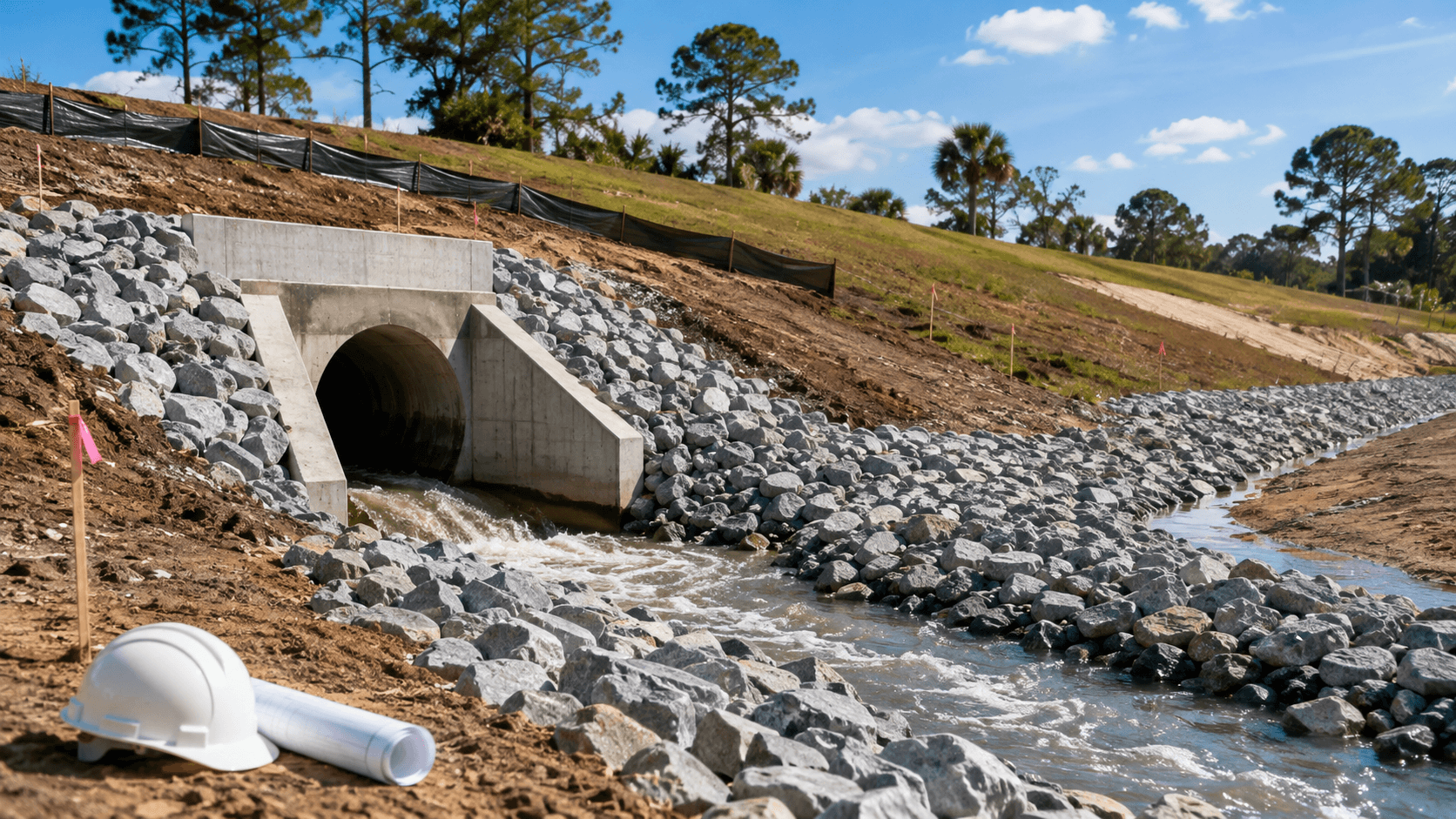
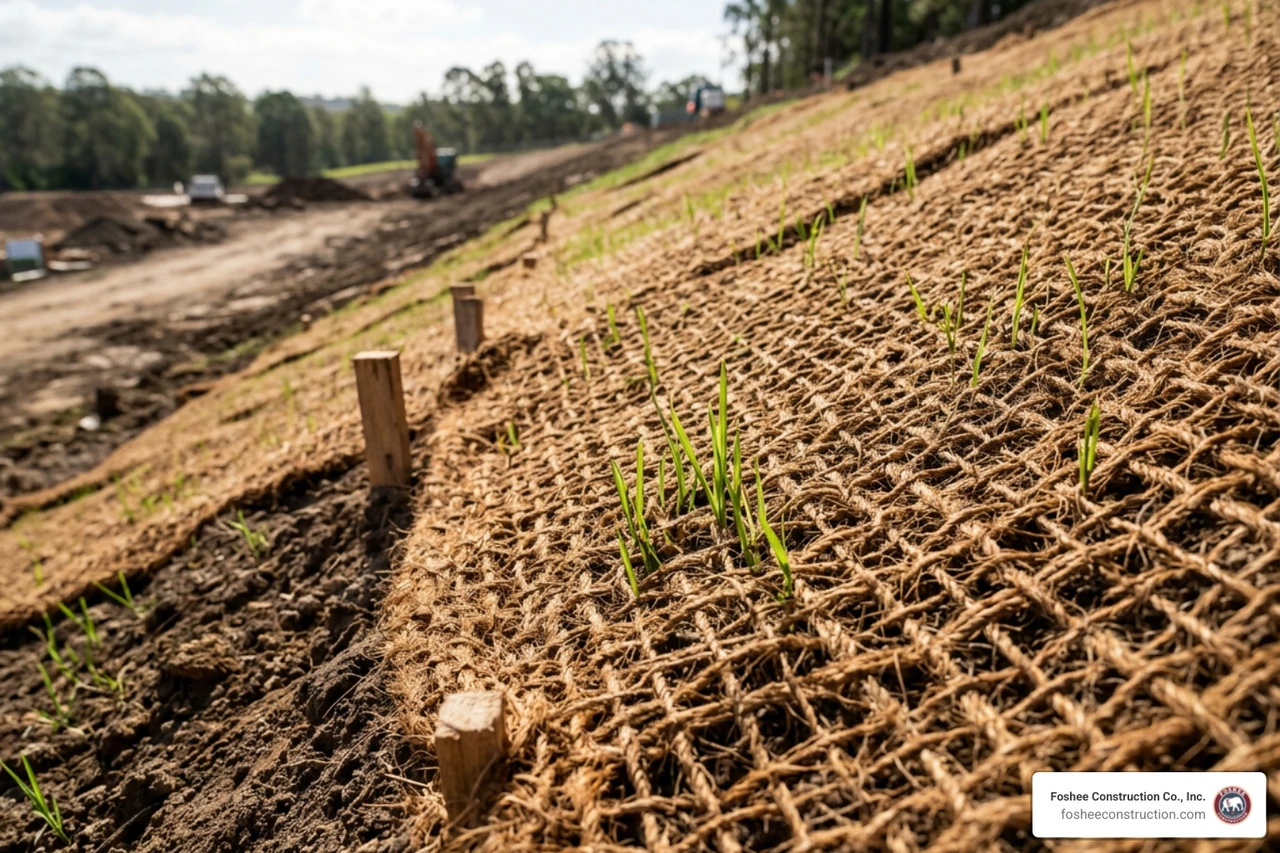
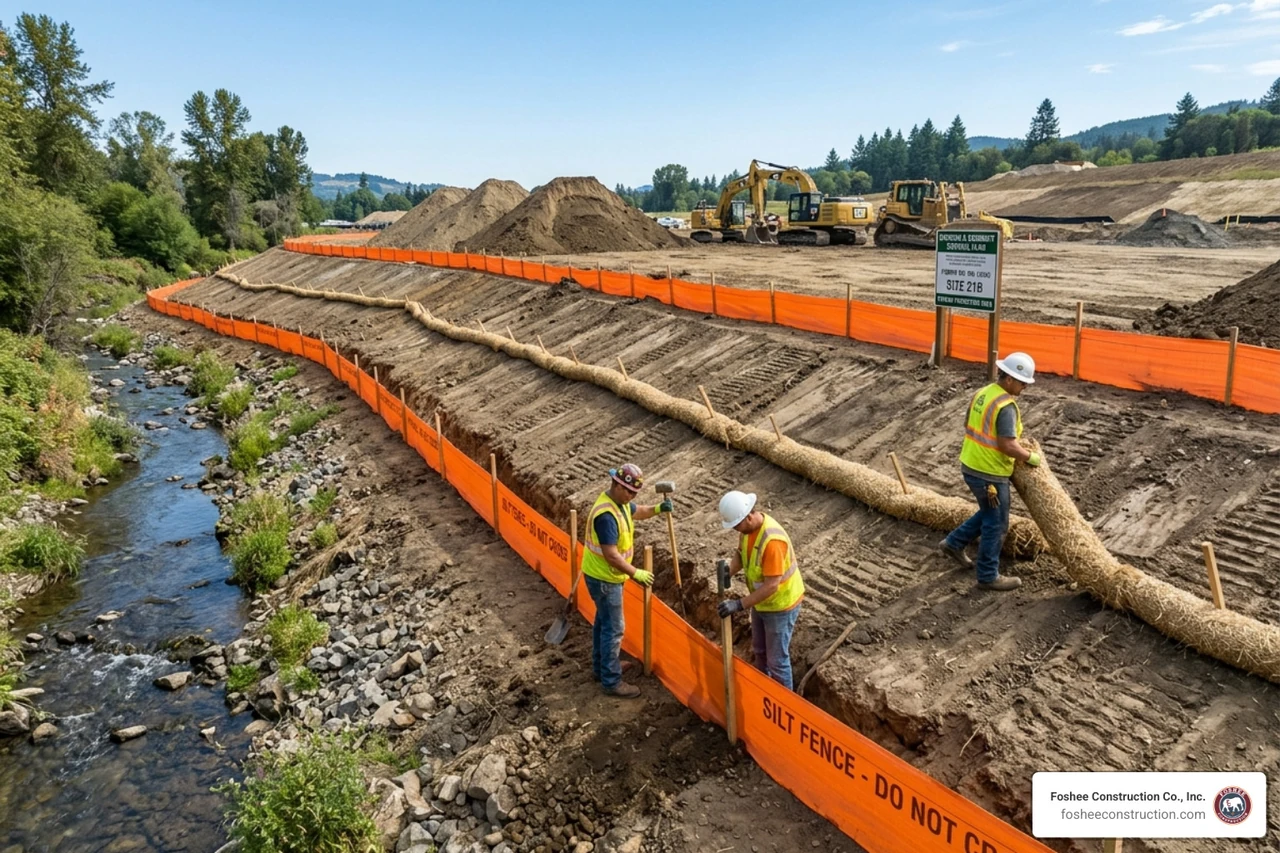
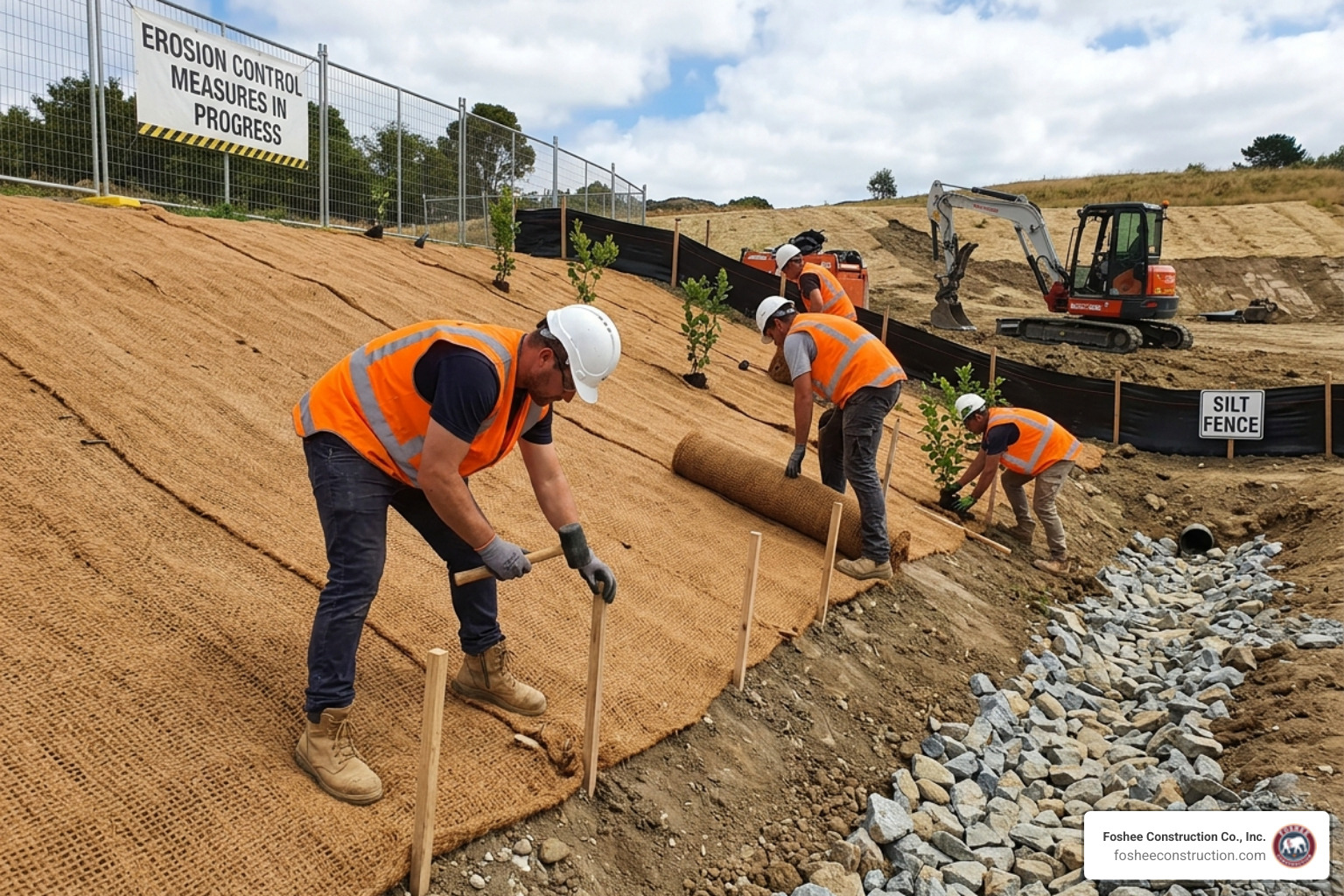
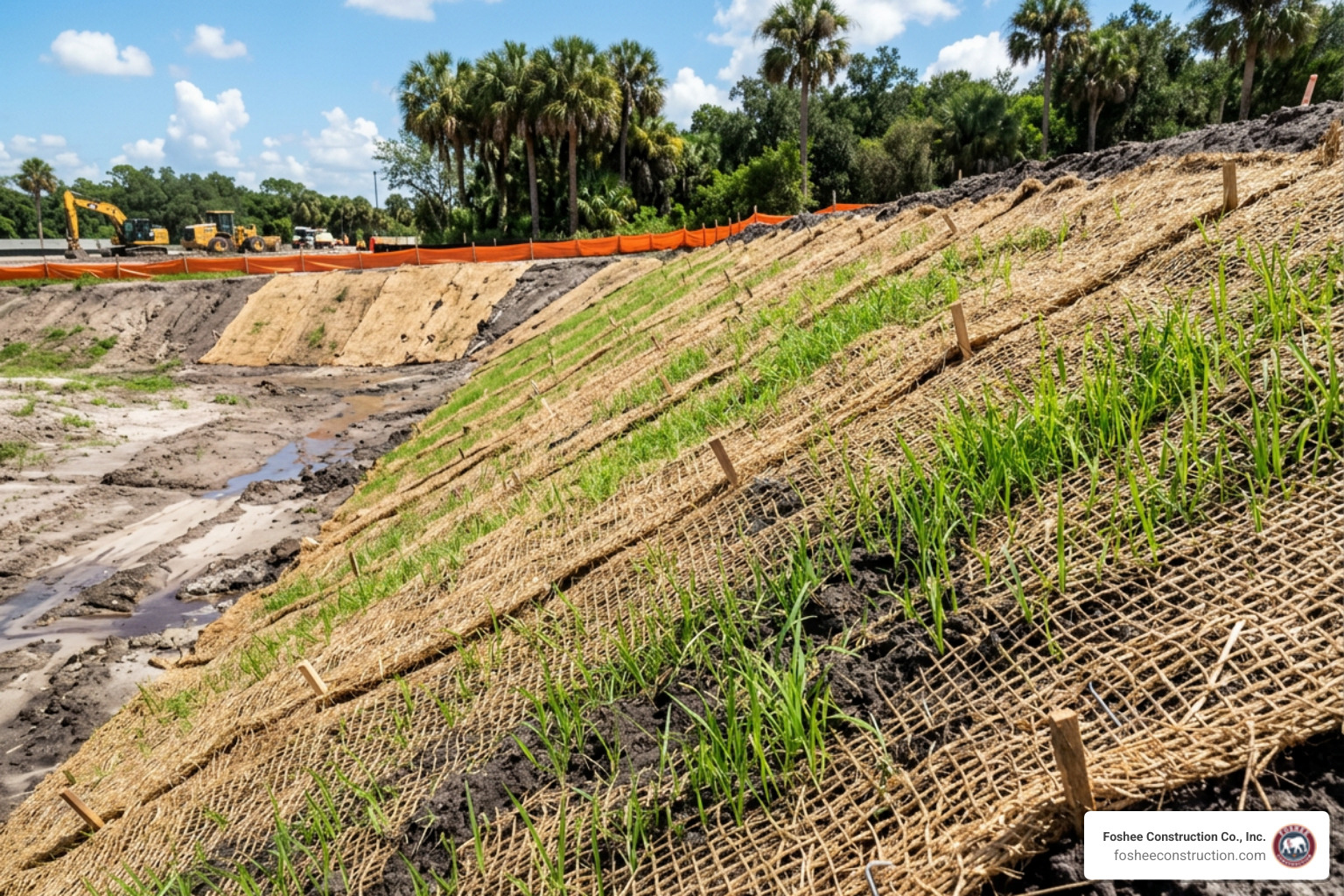
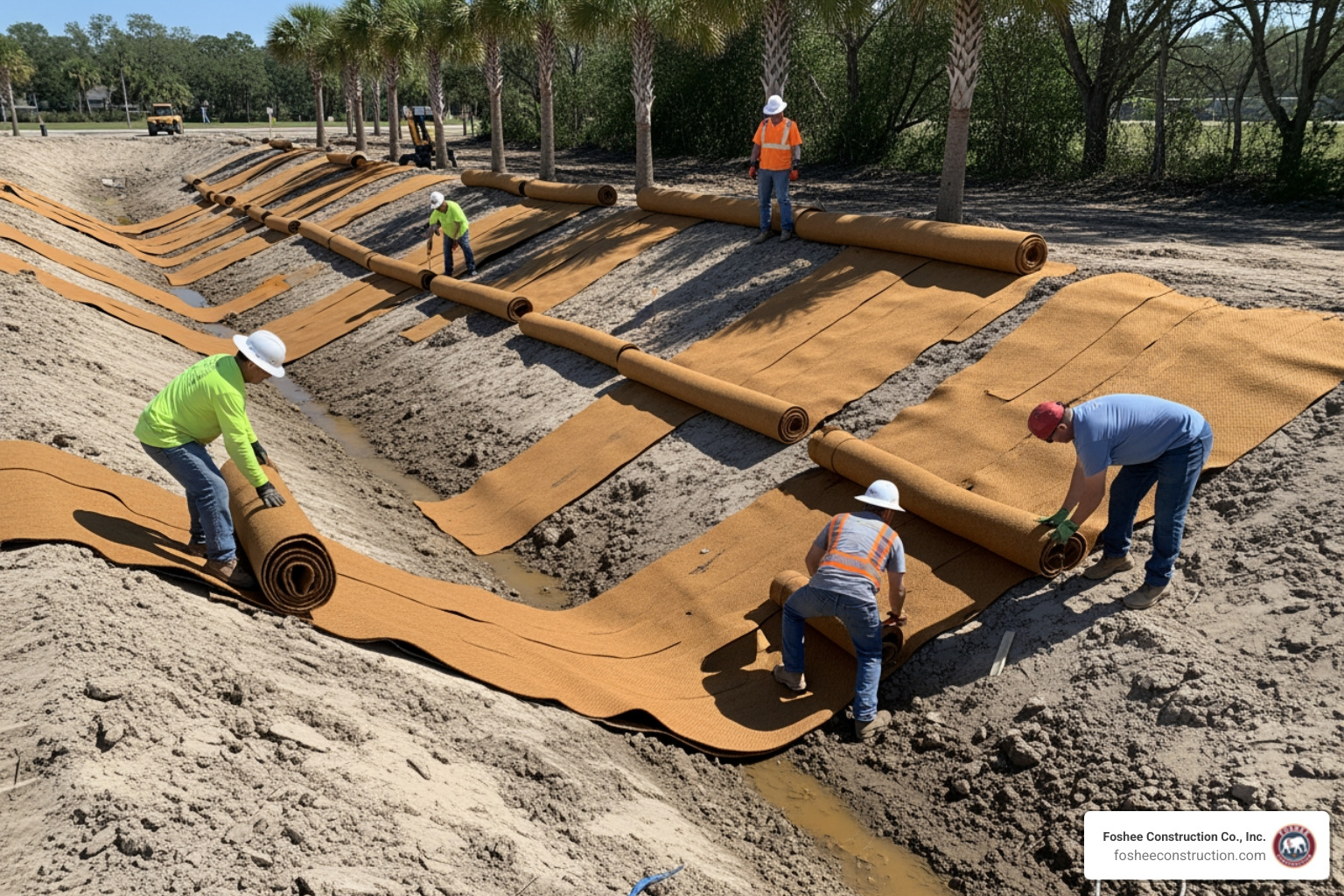
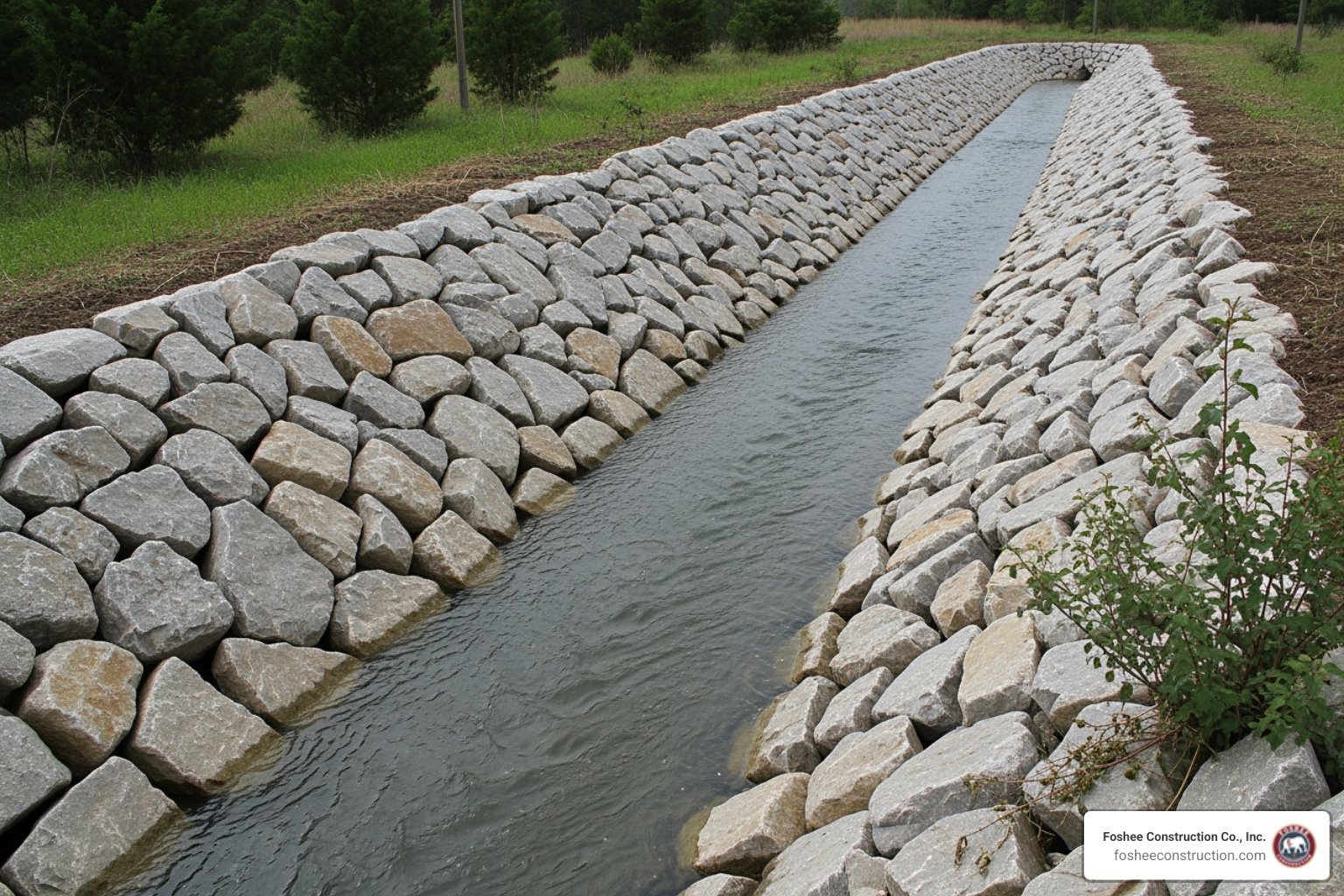
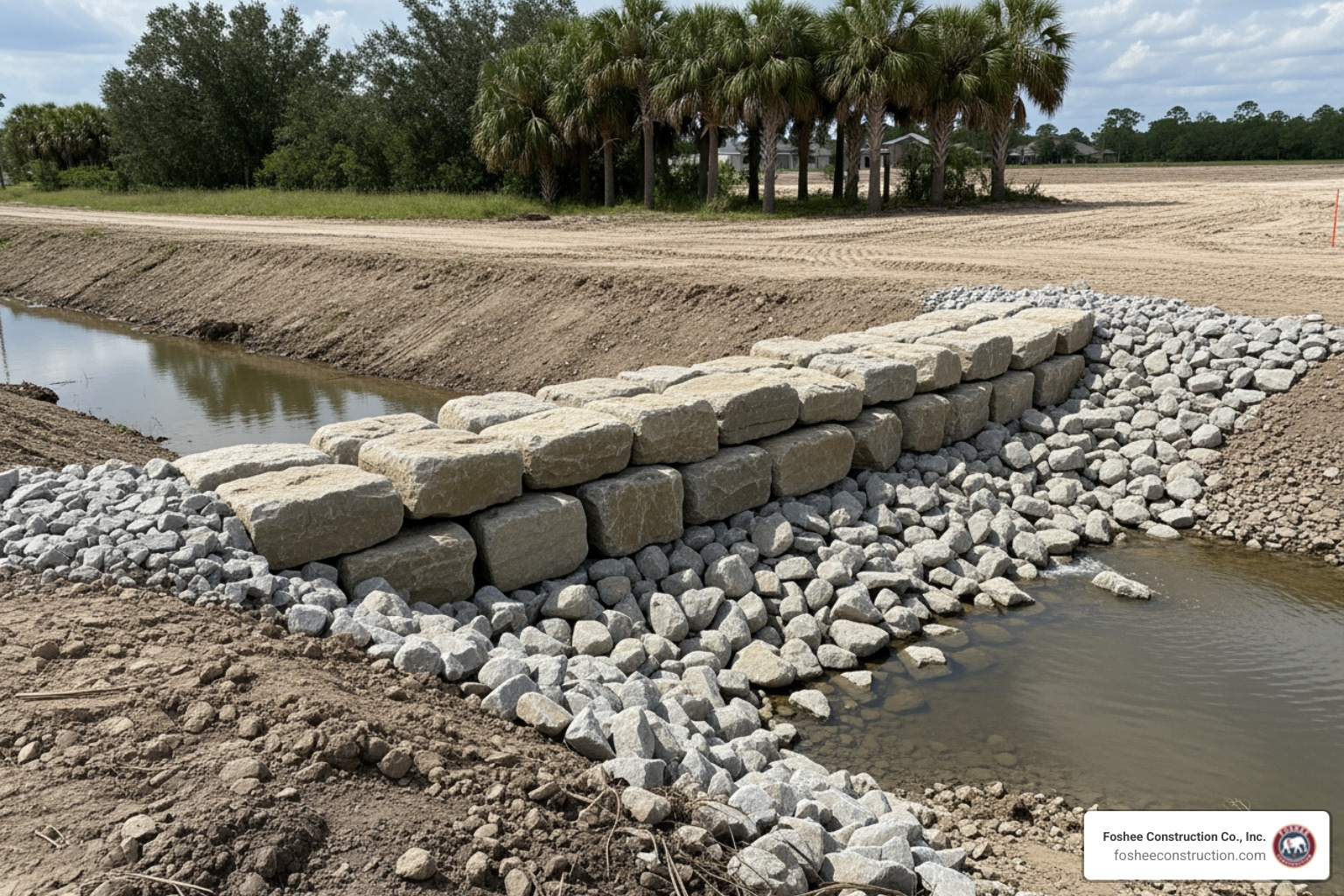
In Central Florida, our heavy summer downpours can dump inches of rain in a matter of minutes. Without properly engineered drainage systems and erosion control, this water will wash away your topsoil, erode your driveways, and flood your yard.
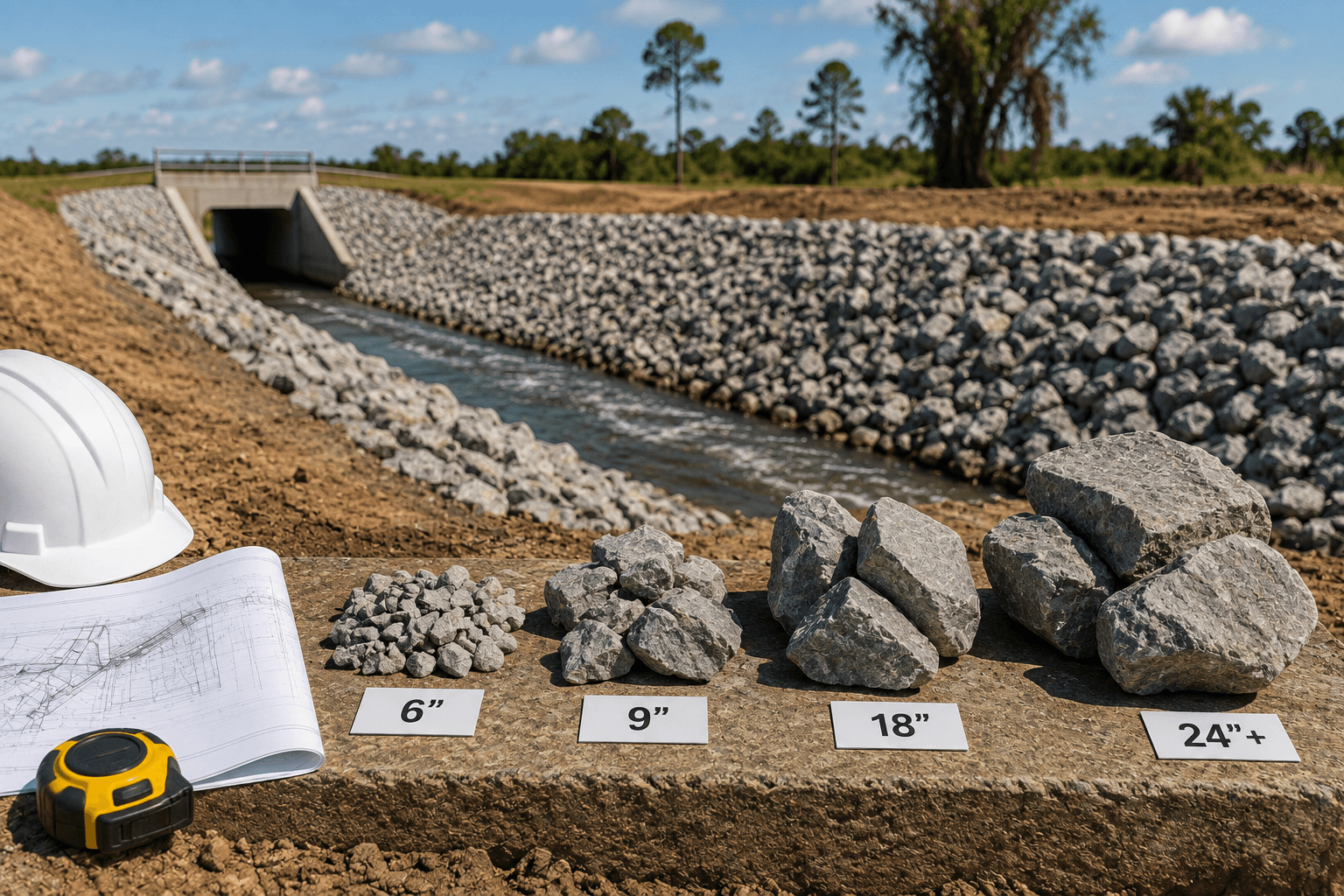
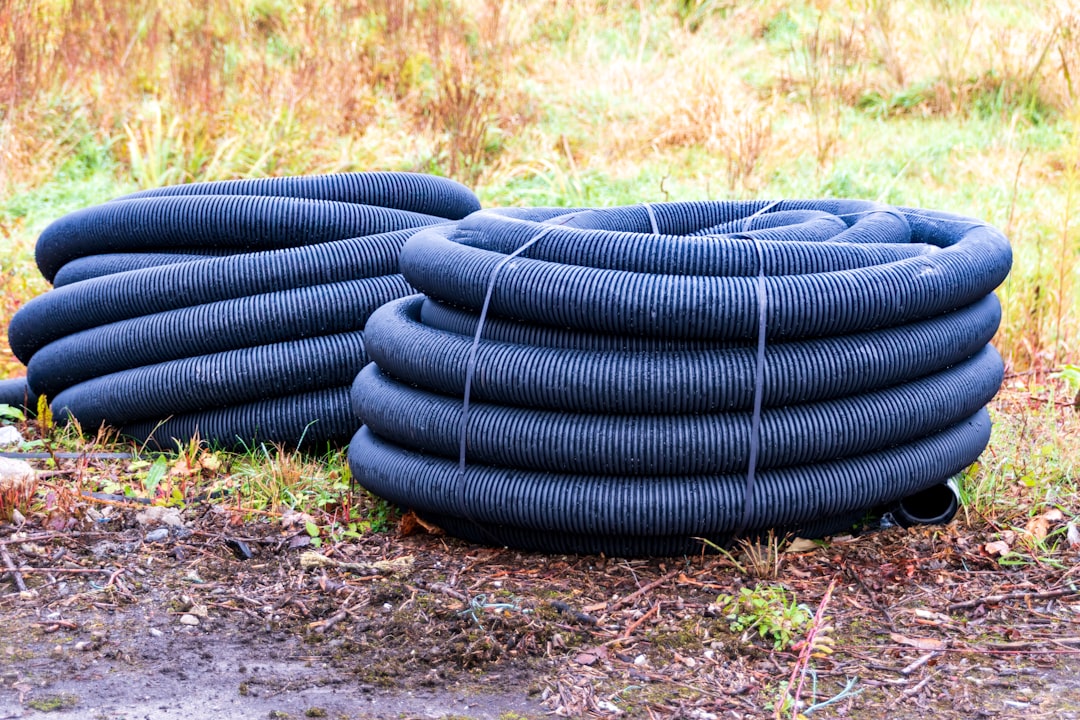
To prevent this, we integrate drainage solutions directly into our grading plans. This includes:
For practical tips on maintaining your property's slopes, read our Driveway Grading Tips Guide 2026.
Every geographic region has its own unique set of environmental challenges that dictate how grading and excavation must be performed. What works in the rocky soils of the Northeast or the clay hills of Georgia will not work in the sandy, high-water-table environment of Central Florida.
Operating in Lake County and the surrounding Central Florida region presents highly specific challenges that require local expertise:
To understand how we handle these conditions on larger commercial projects, read our Industrial Grading Contractor Guide 2026.
To put our local conditions into perspective, it helps to contrast Florida with northern climates, such as Northern Illinois.
In those regions, contractors deal with heavy clay soils that hold water like a sponge, leading to severe drainage challenges. Furthermore, they must contend with deep frost depths and intense freeze-thaw cycles. In Northern Illinois, foundations must be excavated to at least 4 feet deep to get below the frost line, preventing the frozen ground from "heaving" and cracking the concrete.
In contrast, we don't have to worry about frost depth in Minneola, but our high water table and sandy soils require a completely different set of engineering solutions. This is why hiring a contractor with deep local experience is absolutely vital.
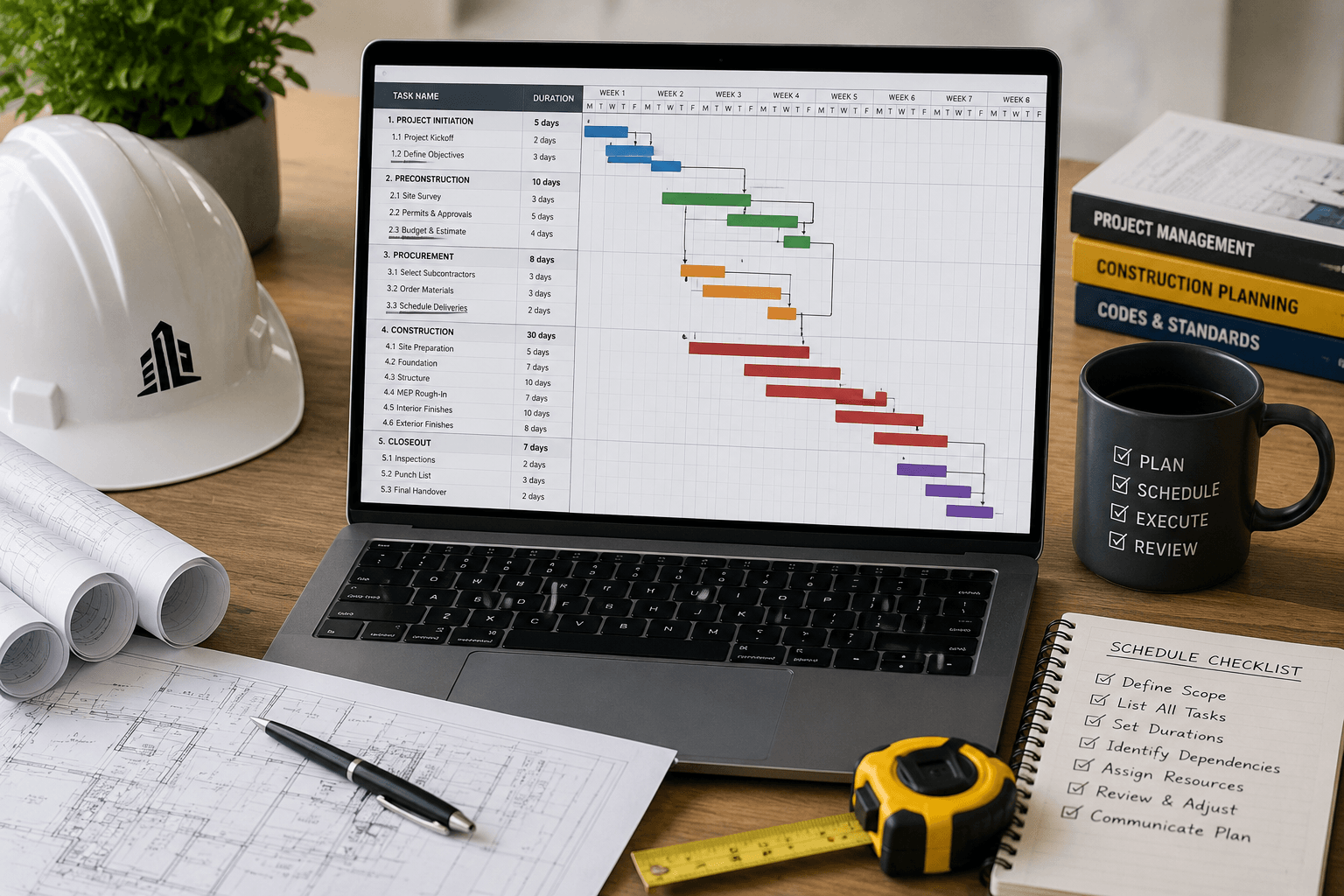
A successful site preparation project follows a highly disciplined, sequential process. You cannot rush the dirt work; each step must be completed and verified before moving to the next.
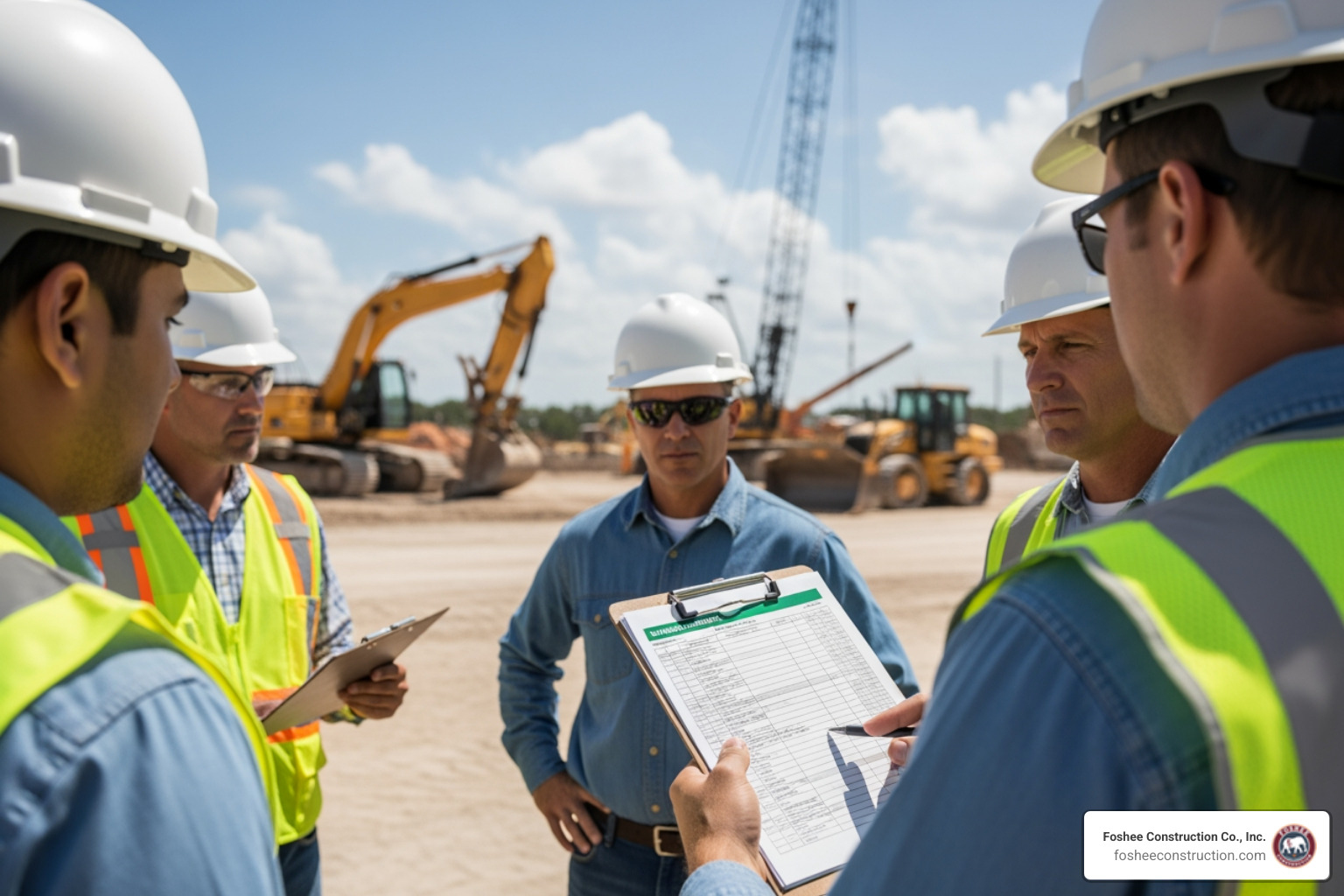
Before we bring out the heavy earthmovers, we must lay the groundwork—both on paper and on the physical site.
For a detailed breakdown of this initial phase, read our guide on Land Clearing and Site Preparation.
Once the site is cleared, the true earthwork begins.
The cost of a residential grading and excavation project varies widely based on several factors, including the size of the lot, the slope of the terrain, soil conditions, and how much dirt needs to be imported or exported.
On average, a standard residential lot grading project can range from $3,000 to $15,000. However, highly sloped properties, sites with severe drainage issues, or projects requiring extensive clearing and fill dirt can cost significantly more. We always recommend getting a detailed, transparent bid from a professional contractor to understand the specific costs for your property.
To find reputable professionals in your area, check out our guide on Grading and Paving Companies Near Me.
For a standard residential home site, the active clearing, excavation, and grading work typically takes anywhere from 3 to 7 days.
However, timelines can be extended by several factors:
While it might be tempting to rent a skid steer and try to level your yard yourself, DIY grading and excavation is highly risky for several reasons:
For minor surface leveling, you might work with a Yard Leveling Contractor, but for any major construction or drainage work, professional earthmoving is a must.
At the end of the day, land grading and excavation are the literal foundation of your construction project. Trying to save a few dollars by cutting corners on site preparation is a gamble that rarely pays off.
At Foshee Construction Co., Inc., we pride ourselves on delivering transparent bids, disciplined scheduling, and a relentless focus on safety. We have spent over three decades building reliable relationships with top contractors, engineers, and developers throughout Minneola, Lake County, and the wider Central Florida region.
Whether you are preparing a site for a new commercial facility, installing underground utilities, or correcting a complex drainage issue, our team has the heavy machinery, advanced technology, and local expertise to get the job done right the first time.
Ready to start your project on solid ground? Partner with Foshee Construction today for a free consultation and a detailed, transparent estimate. Let's build something that lasts, together.
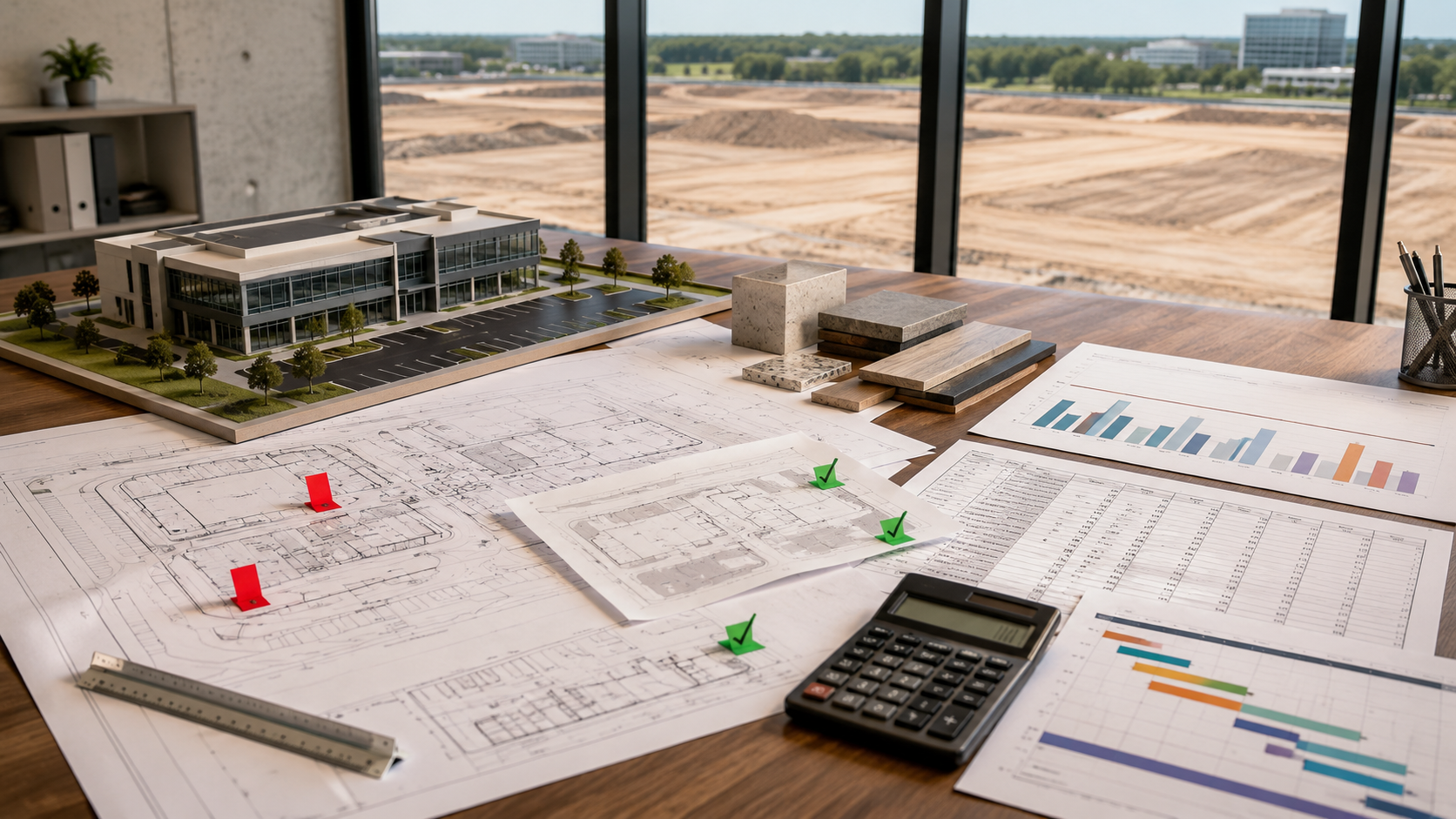
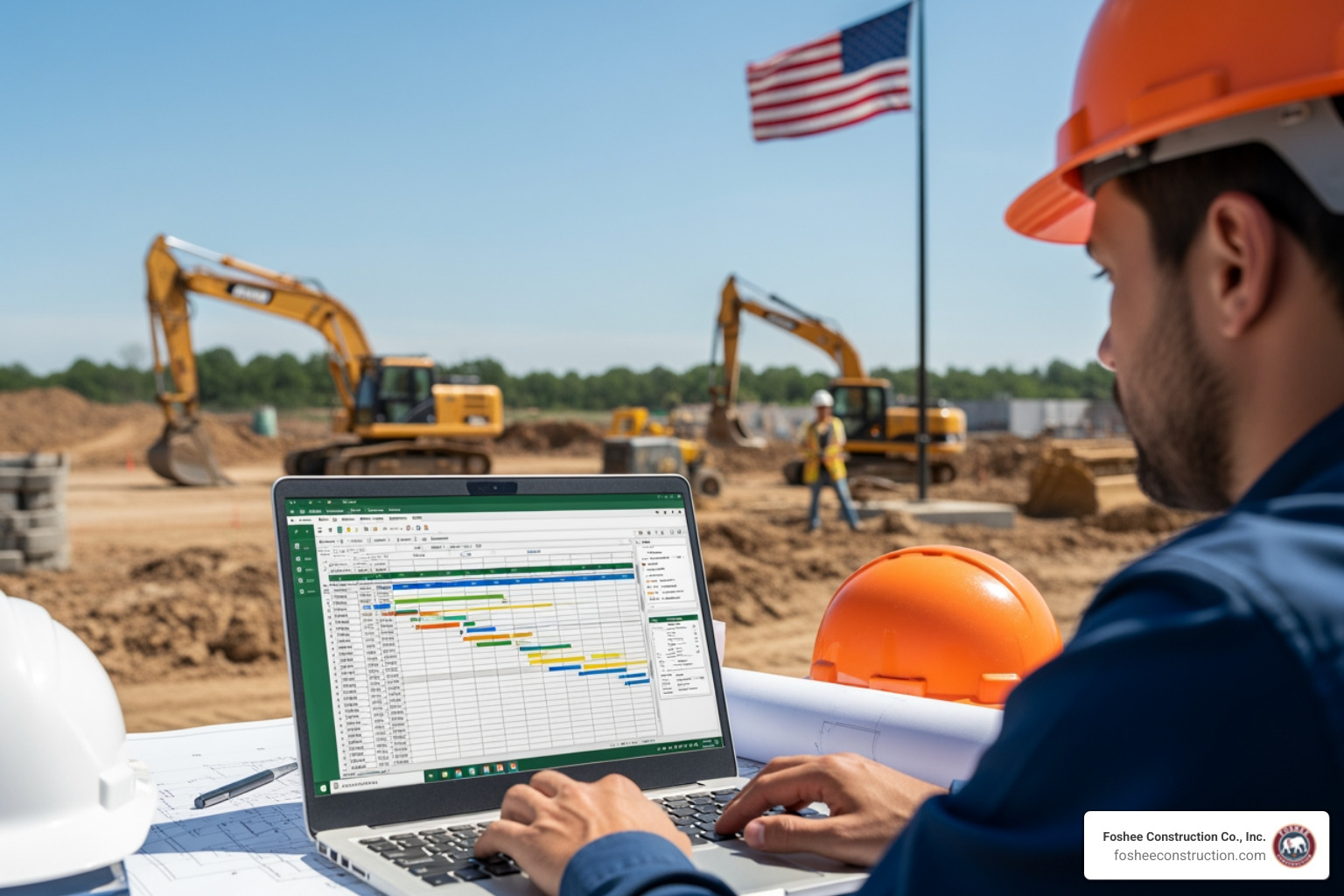
We build bids using HeavyBid and AGTEK because the details matter long before the job starts. When the numbers are accurate and the scope is clearly defined, it sets the tone for how the entire project runs. Estimating isn’t just a step in the process, it’s the foundation we build on.
That same mindset carries into the field. Our crew is trained to work with purpose, follow the Civil Engineers’ Plan to the finest detail, and hold the line on quality. When expectations are clear from day one, there’s no need for shortcuts, and no confusion about how the work gets done.
Clients trust our bid packages because they’re complete and ready to use. Project managers know what we’re covering, what’s excluded, and how we plan to approach the job. That clarity removes friction and lets teams focus on execution instead of interpretation.
As part of our review process, we go into the plans before anything hits the site. We ask the questions early, resolve issues before they show up in the field, and keep RFIs moving. This approach prevents delays and protects the timeline.
Over time, that consistency builds trust. Many of the people we work with today came through referrals from past projects – engineers, GCs, and superintendents who’ve seen how we operate and want the same experience again.
In 2024, Foshee Construction was acquired by Saga Infrastructure Solutions, a national network of civil construction companies. Saga supports regional contractors by giving them access to better tools, long-term resources, and operational backing, without changing how they run day to day.
Foshee will continue to operate under its name, with the same team and field leadership in place.
“From the very time a project starts, we start that partnership. We try to catch as much as we can with the tools that we have. Not everybody is using the software platforms we are. That’s the differentiator: we’re not just bidding. We’re anticipating, problem-solving, and making sure the job runs right.”
— Don, CEO, Saga Infrastructure Solutions
Foshee is now part of a broader regional strategy that includes Florida, the Piedmont Atlantic, Texas, Colorado, and the Arizona Sun Corridor. The name, crews, and standards remain. What’s improving is the support behind it.