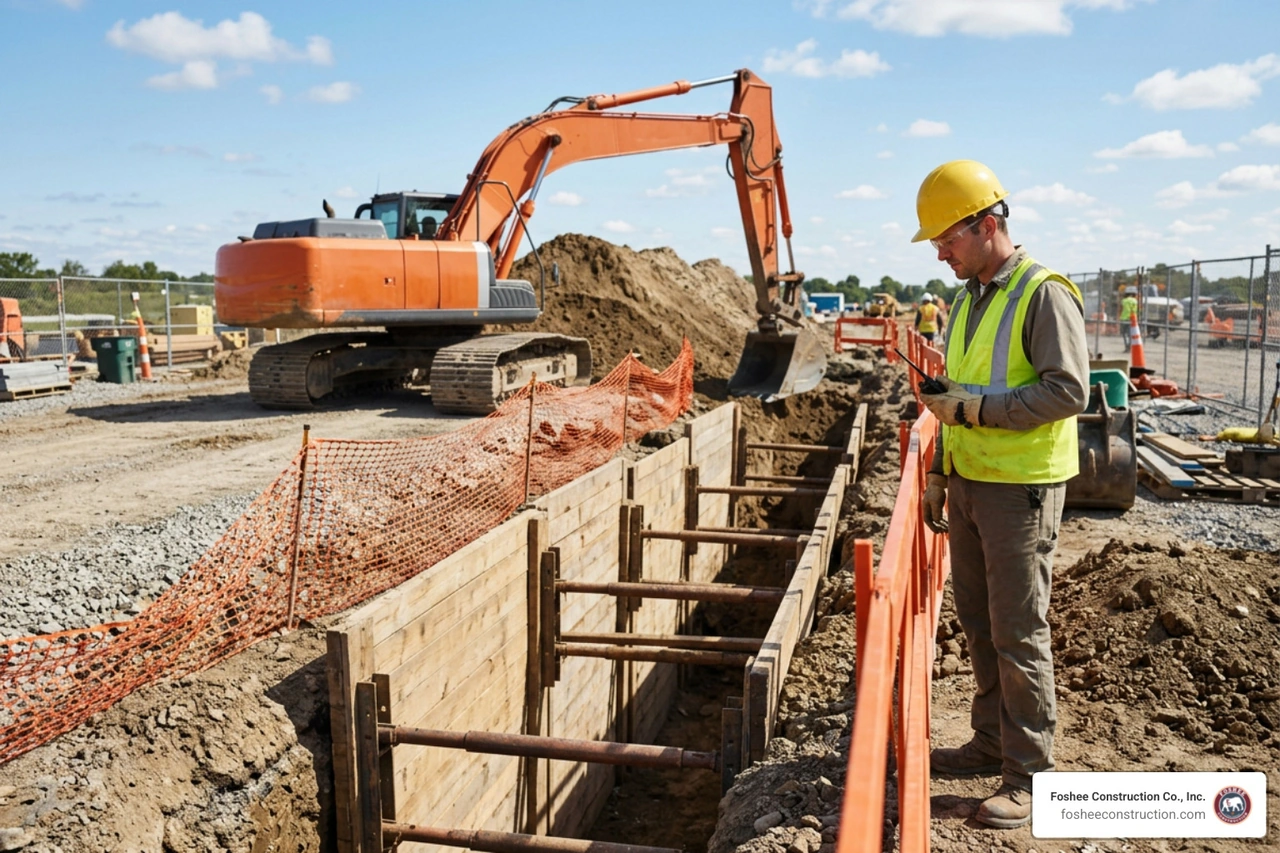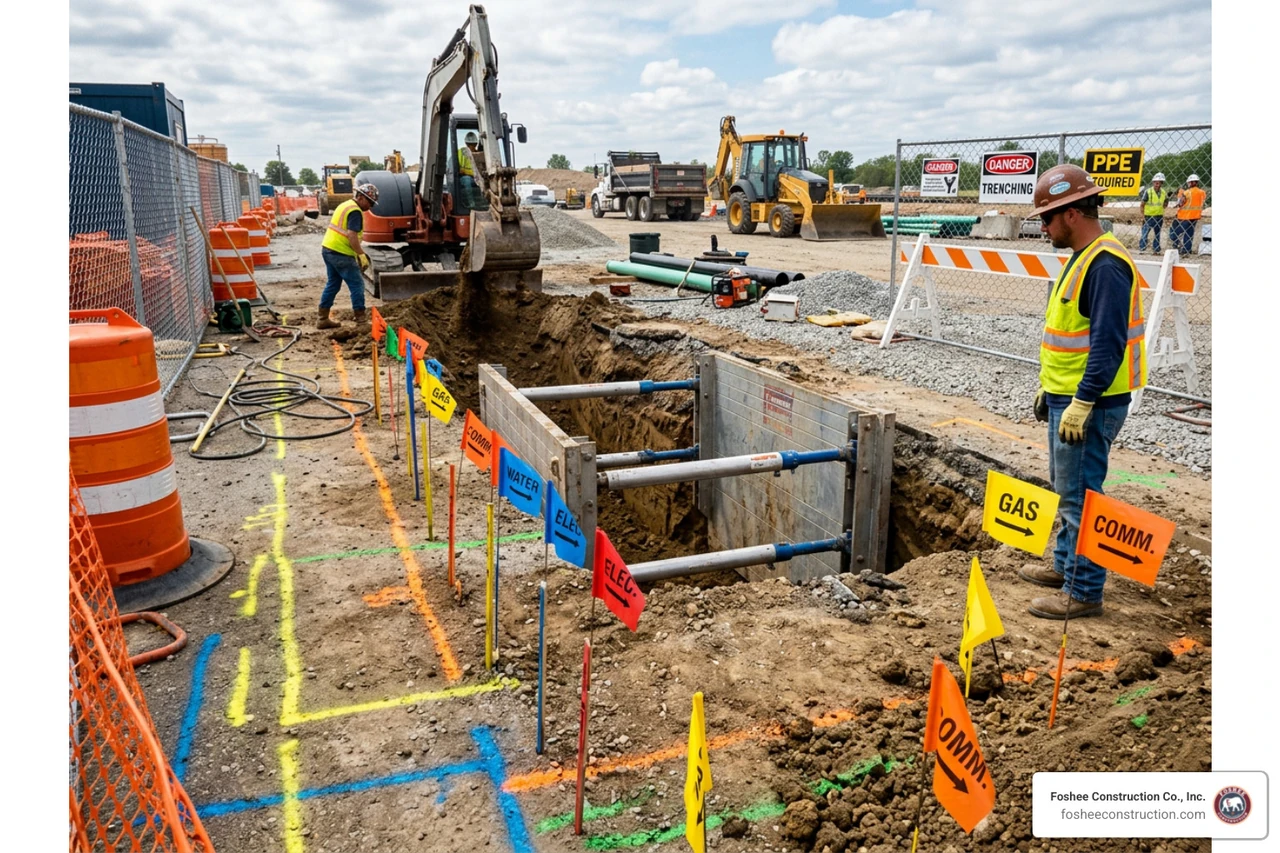
There is a specific moment on most sitework jobs where an RFI either gets asked or gets skipped: after the plans are issued, before the crew mobilizes. Ask it then, and it is a phone call or a short delay in preconstruction. Skip it, and the same question resurfaces two weeks later as a field stoppage, with equipment idle and a crew waiting on an answer.
Proactive RFIs are not about being cautious for its own sake. They are about moving the cost of uncertainty to the point in the schedule where it is cheapest to absorb.
Foshee is beginning construction on Alahambra, a medical office project in Lake Mary, and the preconstruction phase there has followed the same pattern: plan conflicts and open questions were run down as RFIs before mobilization rather than left to surface once earthwork started. For a medical office site, where utility and access coordination tend to be tighter than on a typical commercial pad, that early legwork matters more than usual.
Both, ideally. The sitework contractor is closest to the plan-to-field details, but a GC or owner's rep reviewing the RFI log early can catch conflicts that affect other trades before they compound.
It adds some time upfront, but that time is almost always shorter than the delay caused by resolving the same conflict after mobilization, when equipment, crews, and other trades are already depending on the sequence.
If plan conflicts are only surfacing after crews hit them in the field, rather than being flagged during plan review, that is a sign the RFI process is reactive rather than proactive.
An RFI asked in preconstruction is a question. The same RFI asked in the field is a delay. Foshee Construction has treated proactive plan review as part of its process since 1994, and current preconstruction work on projects like Alahambra reflects that same habit of resolving conflicts before mobilization rather than after. To talk through a project's preconstruction phase, reach out through the Foshee contact page.
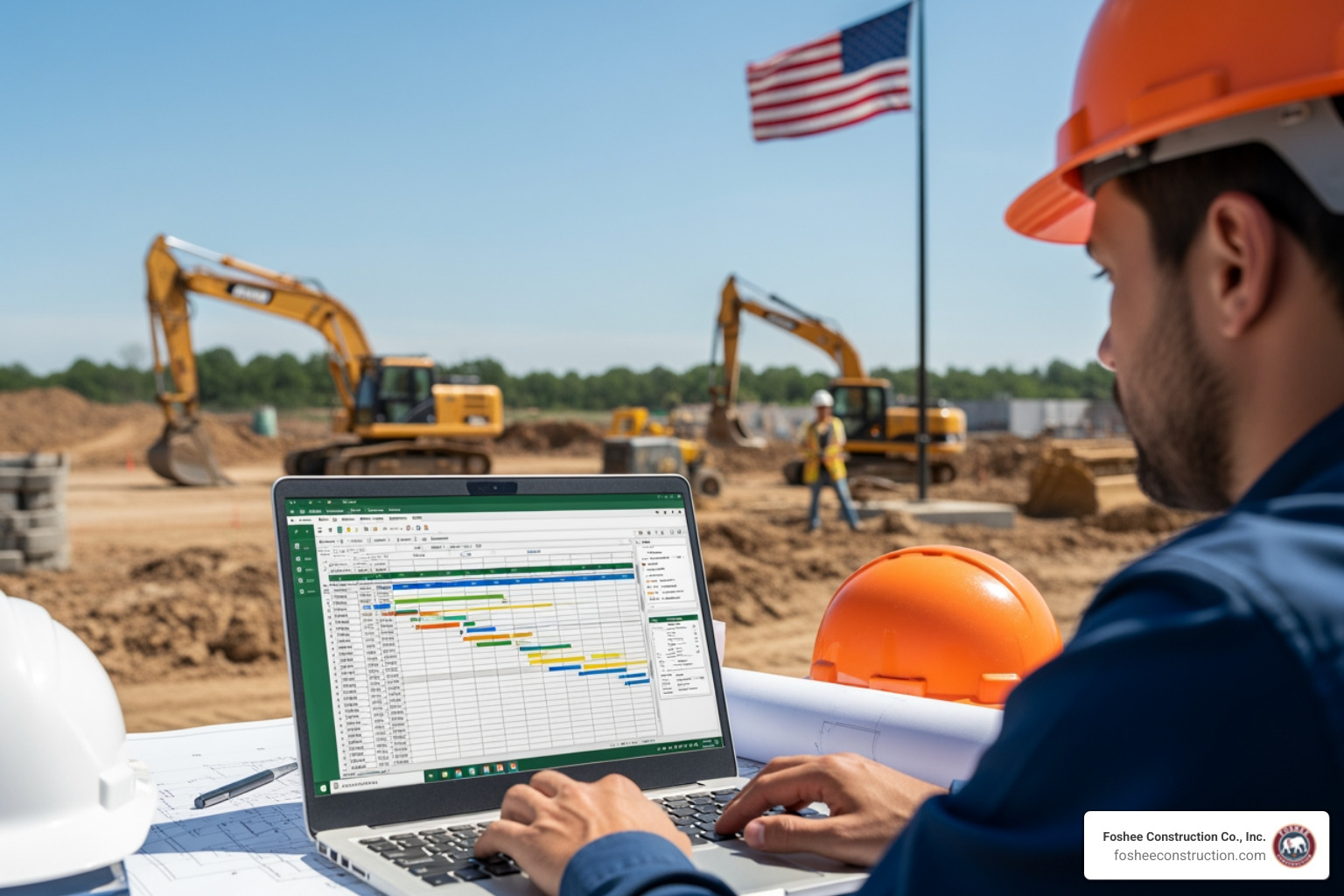
We build bids using HeavyBid and AGTEK because the details matter long before the job starts. When the numbers are accurate and the scope is clearly defined, it sets the tone for how the entire project runs. Estimating isn’t just a step in the process, it’s the foundation we build on.
That same mindset carries into the field. Our crew is trained to work with purpose, follow the Civil Engineers’ Plan to the finest detail, and hold the line on quality. When expectations are clear from day one, there’s no need for shortcuts, and no confusion about how the work gets done.
Clients trust our bid packages because they’re complete and ready to use. Project managers know what we’re covering, what’s excluded, and how we plan to approach the job. That clarity removes friction and lets teams focus on execution instead of interpretation.
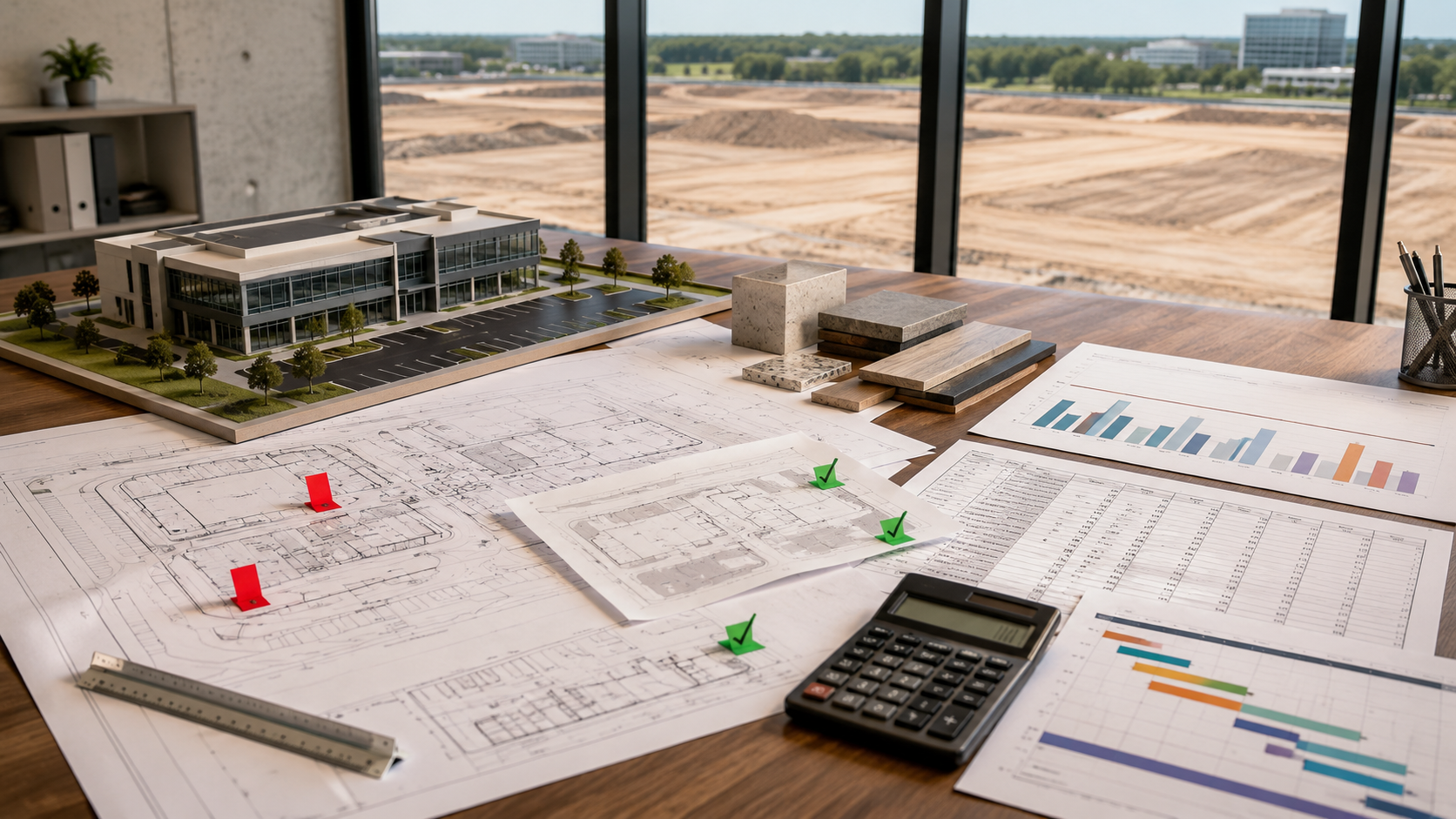
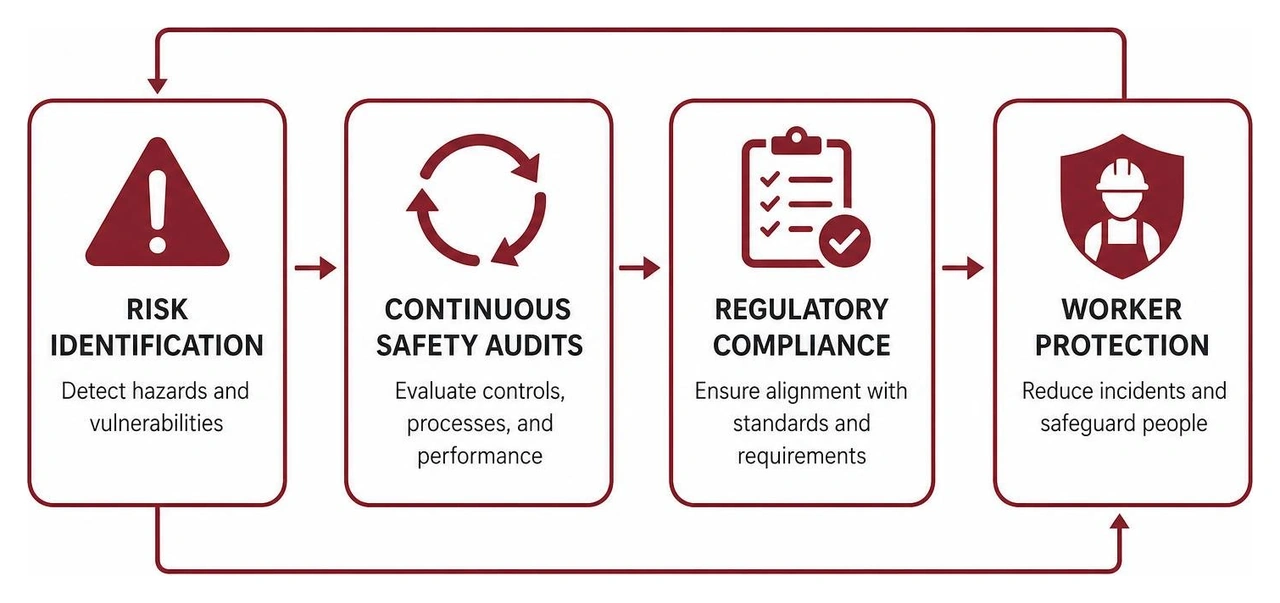
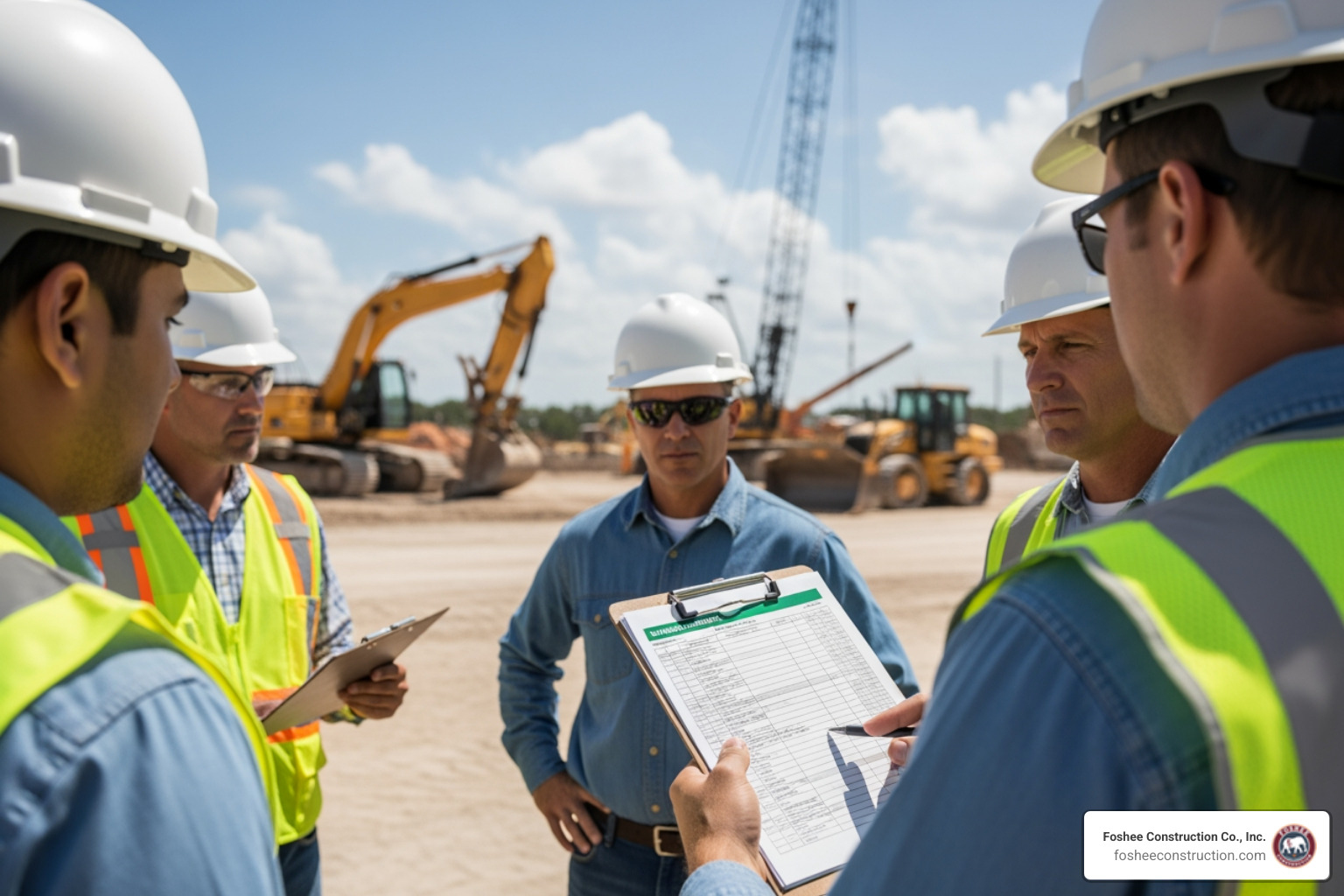
As part of our review process, we go into the plans before anything hits the site. We ask the questions early, resolve issues before they show up in the field, and keep RFIs moving. This approach prevents delays and protects the timeline.
Over time, that consistency builds trust. Many of the people we work with today came through referrals from past projects – engineers, GCs, and superintendents who’ve seen how we operate and want the same experience again.
In 2024, Foshee Construction was acquired by Saga Infrastructure Solutions, a national network of civil construction companies. Saga supports regional contractors by giving them access to better tools, long-term resources, and operational backing, without changing how they run day to day.
Foshee will continue to operate under its name, with the same team and field leadership in place.
“From the very time a project starts, we start that partnership. We try to catch as much as we can with the tools that we have. Not everybody is using the software platforms we are. That’s the differentiator: we’re not just bidding. We’re anticipating, problem-solving, and making sure the job runs right.”
— Don, CEO, Saga Infrastructure Solutions
Foshee is now part of a broader regional strategy that includes Florida, the Piedmont Atlantic, Texas, Colorado, and the Arizona Sun Corridor. The name, crews, and standards remain. What’s improving is the support behind it.