On most Central Florida sites, potable and reclaimed water lines get treated as a detail to confirm during submittals. That is backwards. Pipe size, hydrant spacing, and the separation required between potable and reclaimed mains are decisions that shape trench depth, crossing sequences, and how many times a crew has to come back to the same stretch of ground. Get them wrong on paper and the field finds out the hard way, usually during a pressure test that will not pass.
Foshee Construction has built and installed underground utilities across Lake County and Central Florida since 1994. Kevin and Cindi Foshee started the company in Minneola, and wet utility work — potable, reclaimed, and the coordination between the two — has been part of the scope the whole way.
Reclaimed water is not a side note on a water line job. It changes color coding, separation distances from potable mains, backflow requirements, and how crossings with sewer and reclaimed laterals get sequenced. A plan that treats reclaimed as an afterthought usually surfaces its problems at inspection, when a separation distance or a marking requirement does not match what the utility provider expects.
Right now, that coordination is part of a project Foshee is not doing for a typical private developer. Foshee is partnering with Habitat for Humanity on an 8-lot community in Leesburg, and underground utility installation on that site is scheduled to begin in December 2025. Water service for a Habitat build has to be installed with the same rigor as any commercial job — sizing, testing, and inspection do not get relaxed because the end use is affordable housing. If anything, the coordination with the utility provider and the tight lot layout make sequencing more important, not less.
1. Confirm main sizing against fire flow and demand. Hydrant spacing and fire flow requirements usually drive pipe size before domestic demand does. This gets settled before trenching, not adjusted after.
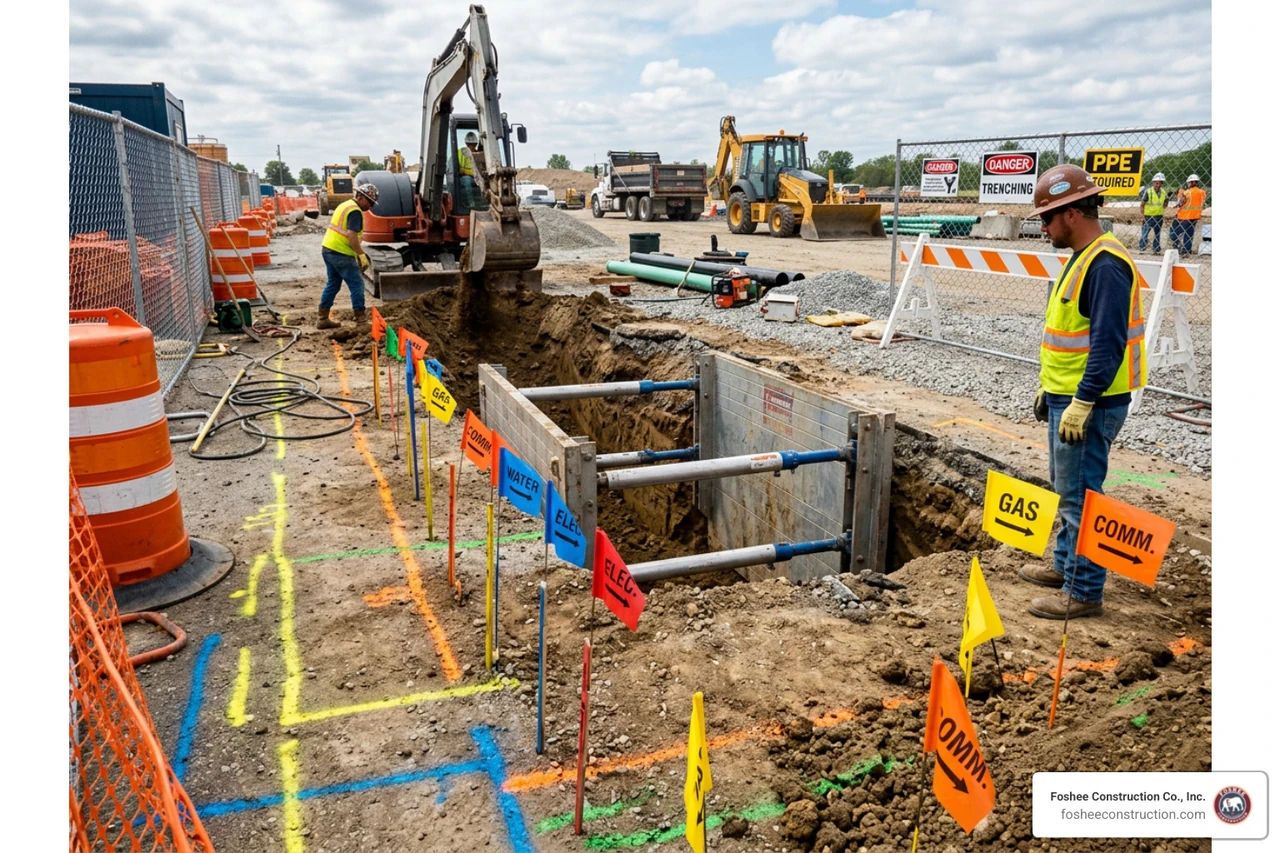
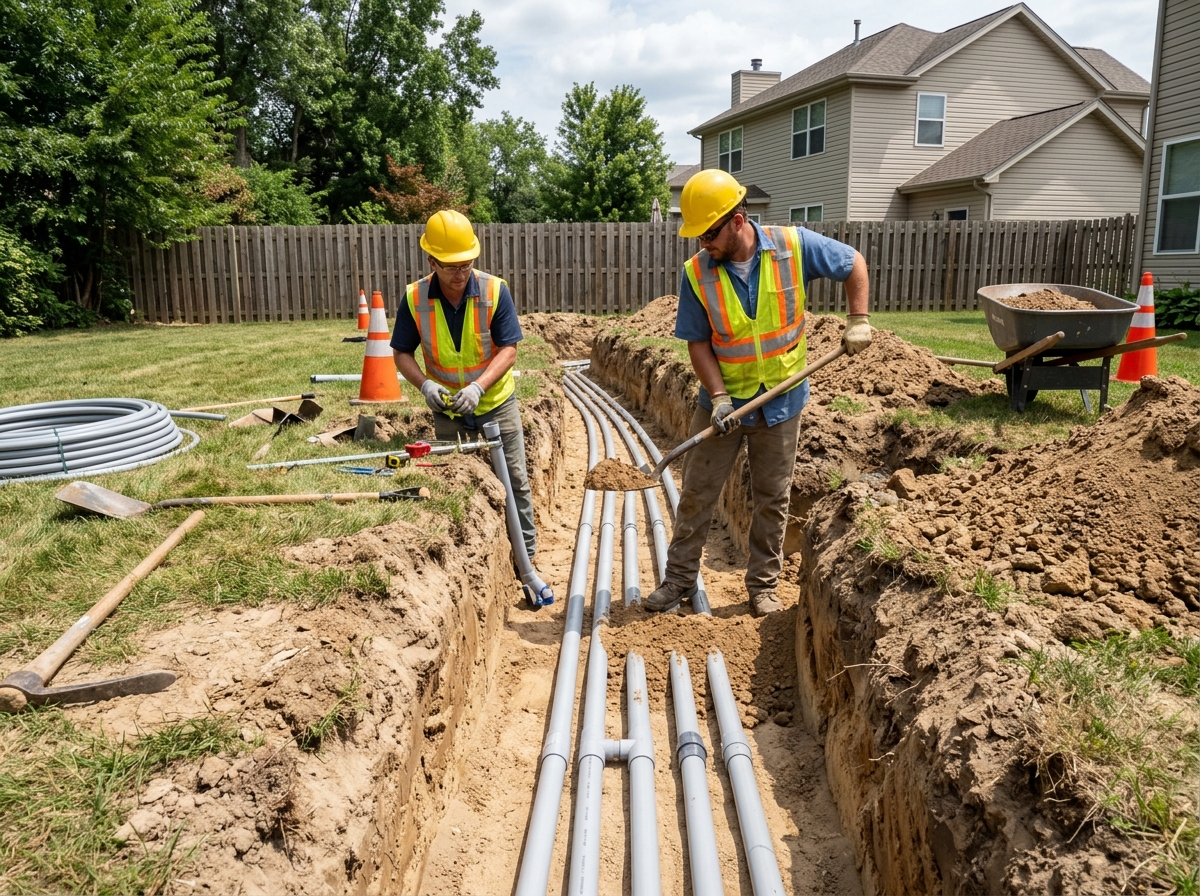
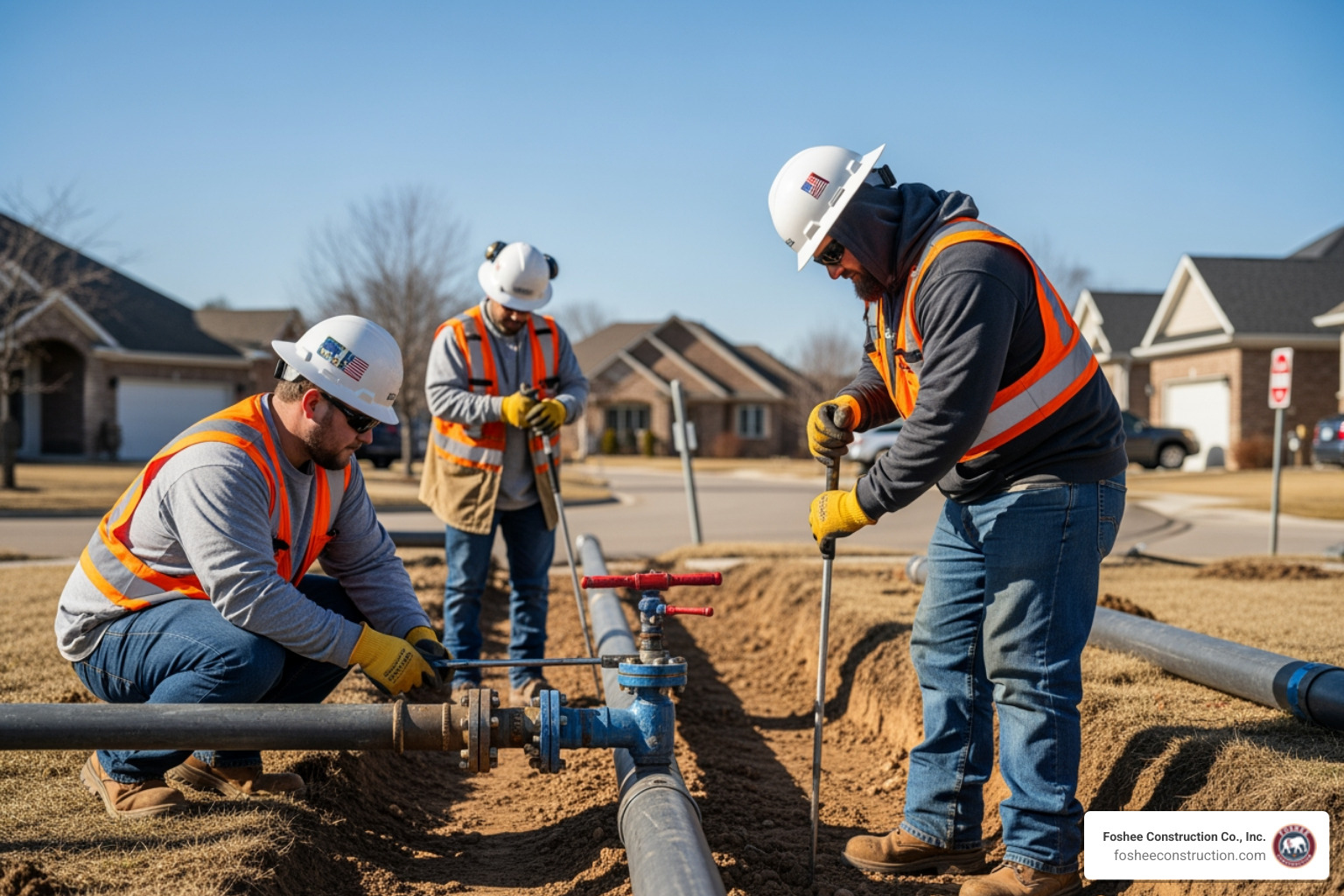
2. Lay out separation from reclaimed, sewer, and storm lines. Horizontal and vertical separation requirements dictate trench sequencing, especially where potable and reclaimed run in the same corridor.
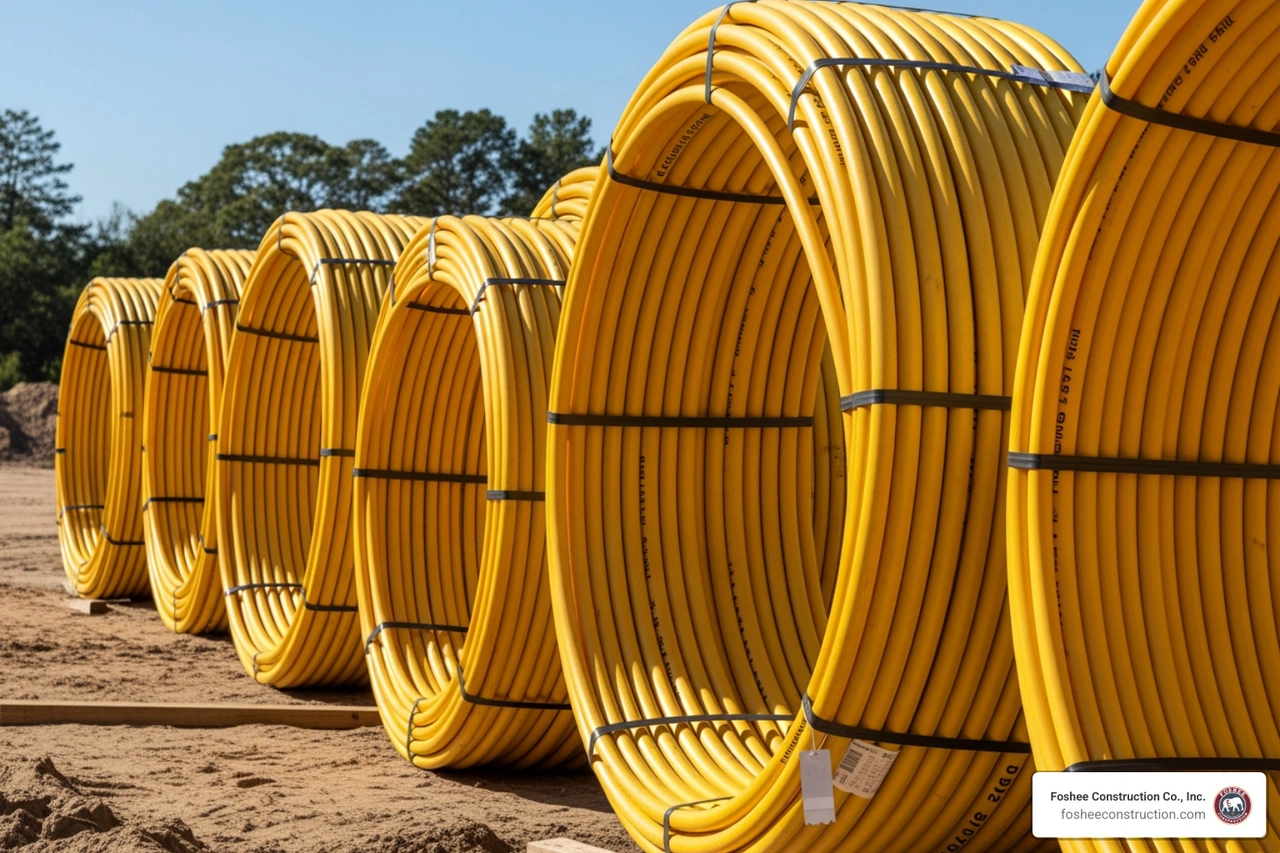
3. Install and mark reclaimed lines to code. Purple pipe, tracer wire, and signage are not optional add-ons — they are inspected line items.
4. Set hydrants, valves, and services. Placement gets checked against the fire marshal's requirements and the utility provider's standards before backfill.
5. Pressure test and disinfect. Potable mains get pressure tested and chlorinated before they are accepted; reclaimed mains have their own testing standard. Skipping ahead here is how a schedule loses a week.
6. Coordinate final tie-ins and utility acceptance. The utility provider signs off before the line goes into service, and that sign-off depends on every step before it being documented correctly.
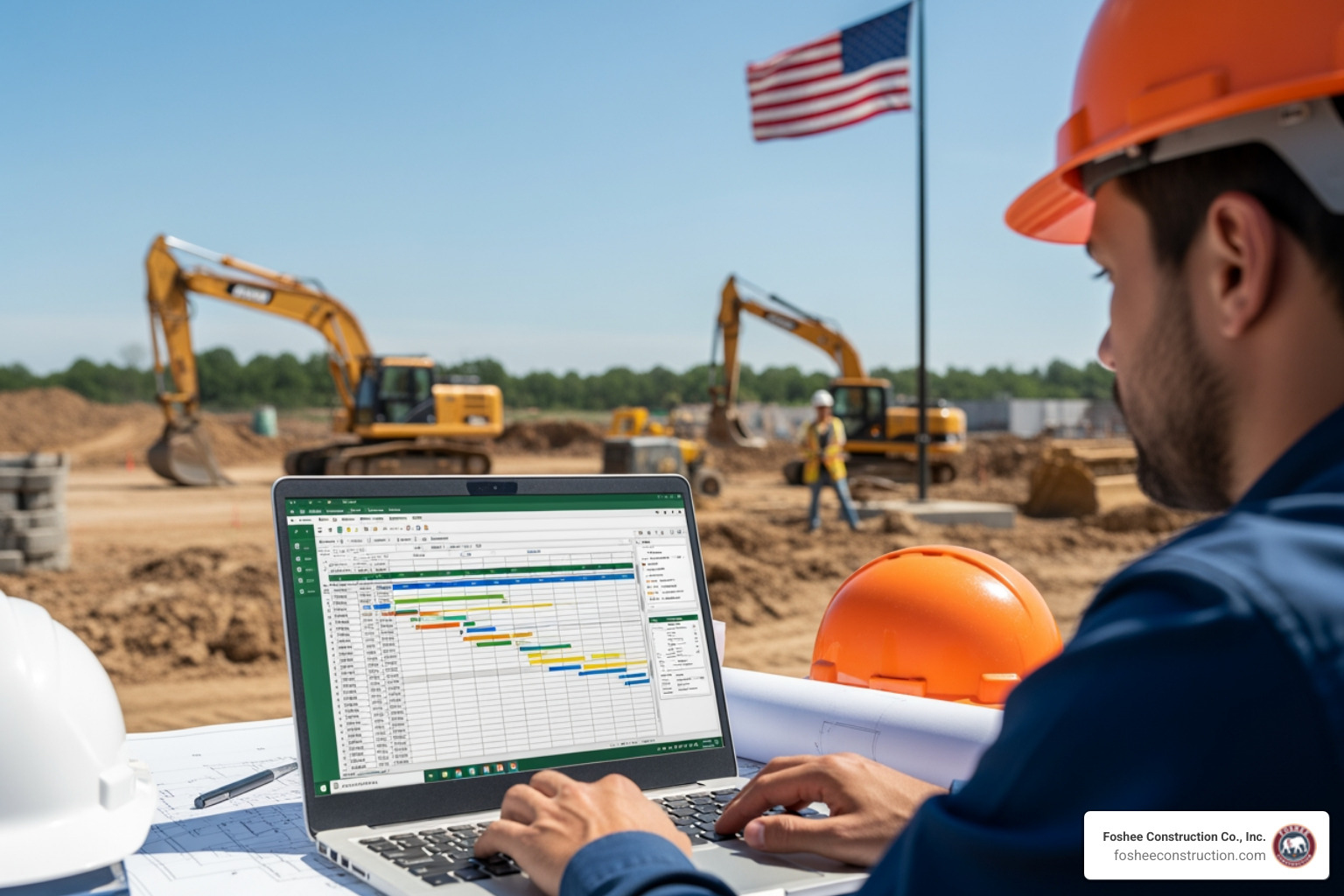
Foshee uses HeavyBid and AGTEK during estimating to keep pipe quantities, trenching, and fitting counts accurate before the sequence above ever starts in the field.
Separation requirements vary by jurisdiction and utility provider, but they are non-negotiable. They get set in the plan review stage, not adjusted in the field.
Yes. Reclaimed lines use distinct pipe coloring, tracer wire, and signage so crews and inspectors can identify them at a glance, both during construction and years later during maintenance.
Fire flow requirements often size the main before domestic demand is even calculated. Hydrant spacing gets confirmed early because it drives pipe diameter, not the other way around.
The section gets isolated, the leak or defect located, and the repair retested before backfill is finalized. It is far cheaper to catch this before paving or landscaping goes in over the top.
Potable and reclaimed water line work rewards teams that sequence separation, sizing, and testing correctly the first time. On a job like Foshee's Habitat for Humanity utility installation in Leesburg, starting in December 2025, that discipline matters just as much on an 8-lot community as it does on a large commercial site.
To talk through a wet utility scope, reach the Foshee contact page - (https://fosheeconstruction.com/contact) or call the office line, which now routes through an AI phone system to the right team member at ext. 230.
- Utility Installation - https://fosheeconstruction.com/blog/utility-installation
- Underground Pipe Installation in Florida - https://fosheeconstruction.com/blog/underground-pipe-installation-florida
- 811 Utility Locates - https://fosheeconstruction.com/blog/811-utility-locates
- Site Preparation Services - https://fosheeconstruction.com/blog/site-preparation-services
- Foshee Projects - https://fosheeconstruction.com/projects
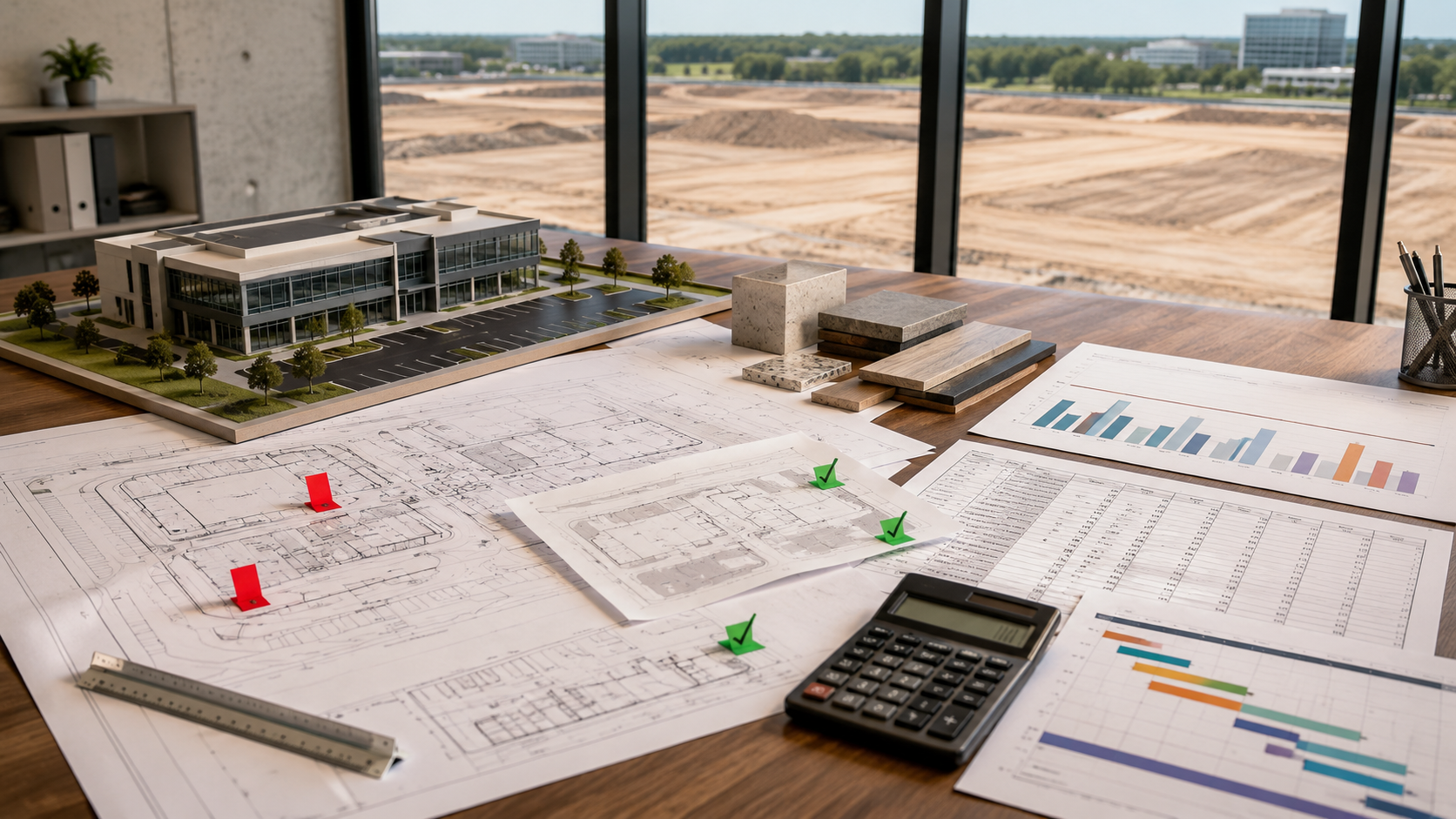
We build bids using HeavyBid and AGTEK because the details matter long before the job starts. When the numbers are accurate and the scope is clearly defined, it sets the tone for how the entire project runs. Estimating isn’t just a step in the process, it’s the foundation we build on.
That same mindset carries into the field. Our crew is trained to work with purpose, follow the Civil Engineers’ Plan to the finest detail, and hold the line on quality. When expectations are clear from day one, there’s no need for shortcuts, and no confusion about how the work gets done.
Clients trust our bid packages because they’re complete and ready to use. Project managers know what we’re covering, what’s excluded, and how we plan to approach the job. That clarity removes friction and lets teams focus on execution instead of interpretation.
As part of our review process, we go into the plans before anything hits the site. We ask the questions early, resolve issues before they show up in the field, and keep RFIs moving. This approach prevents delays and protects the timeline.
Over time, that consistency builds trust. Many of the people we work with today came through referrals from past projects – engineers, GCs, and superintendents who’ve seen how we operate and want the same experience again.
In 2024, Foshee Construction was acquired by Saga Infrastructure Solutions, a national network of civil construction companies. Saga supports regional contractors by giving them access to better tools, long-term resources, and operational backing, without changing how they run day to day.
Foshee will continue to operate under its name, with the same team and field leadership in place.
“From the very time a project starts, we start that partnership. We try to catch as much as we can with the tools that we have. Not everybody is using the software platforms we are. That’s the differentiator: we’re not just bidding. We’re anticipating, problem-solving, and making sure the job runs right.”
— Don, CEO, Saga Infrastructure Solutions
Foshee is now part of a broader regional strategy that includes Florida, the Piedmont Atlantic, Texas, Colorado, and the Arizona Sun Corridor. The name, crews, and standards remain. What’s improving is the support behind it.