Sanitary sewer scopes get lumped together under one label, but gravity sewer, force main, and a lift station are three different pieces of infrastructure with three different ways of going wrong. Gravity sewer depends on getting the slope right over a long run. Force main depends on pressure and pump coordination. A lift station depends on both civil and mechanical/electrical work landing in the right sequence. Planning them as one undifferentiated "sanitary scope" is usually where problems start.
Alahambra, a medical office project in Lake Mary, is beginning construction now, and sanitary sewer planning is part of the early scope. Medical office buildings carry sanitary demands that differ from a typical retail or residential connection — fixture counts, potential for specialized waste handling, and tie-in points that have to be coordinated with the site's overall utility plan before vertical construction gets underway. Getting the sanitary and lift station planning right at this early stage means the rest of the project isn't waiting on a utility fix once walls are going up.
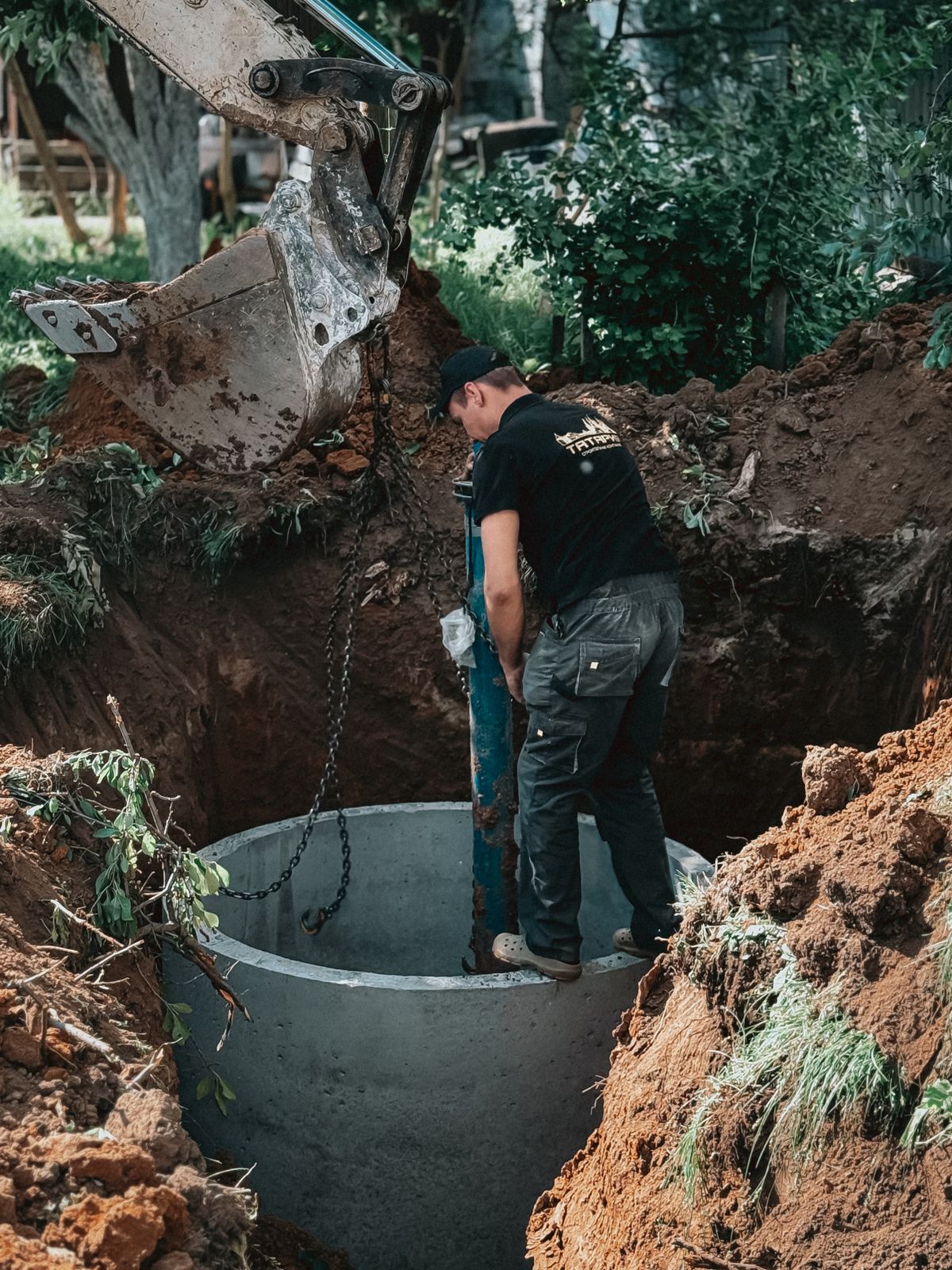
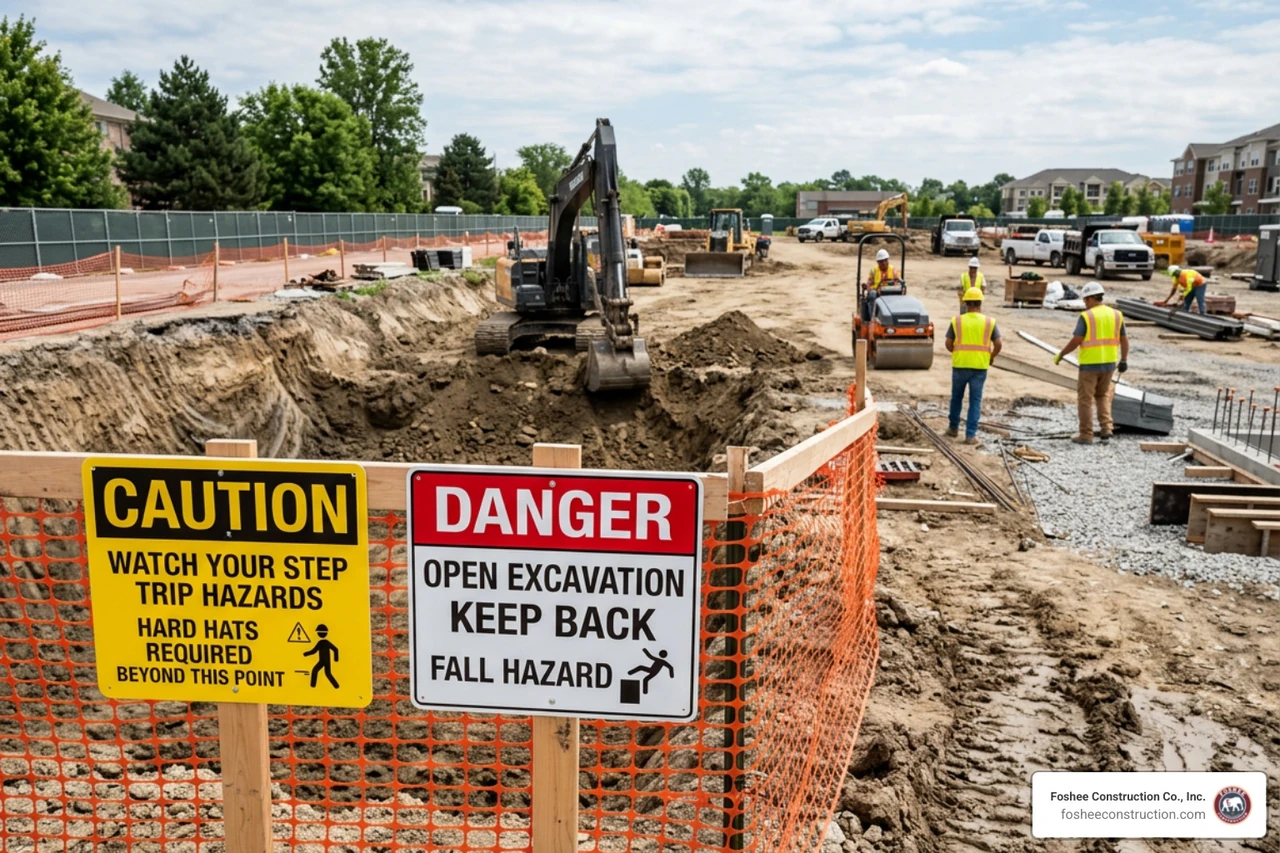
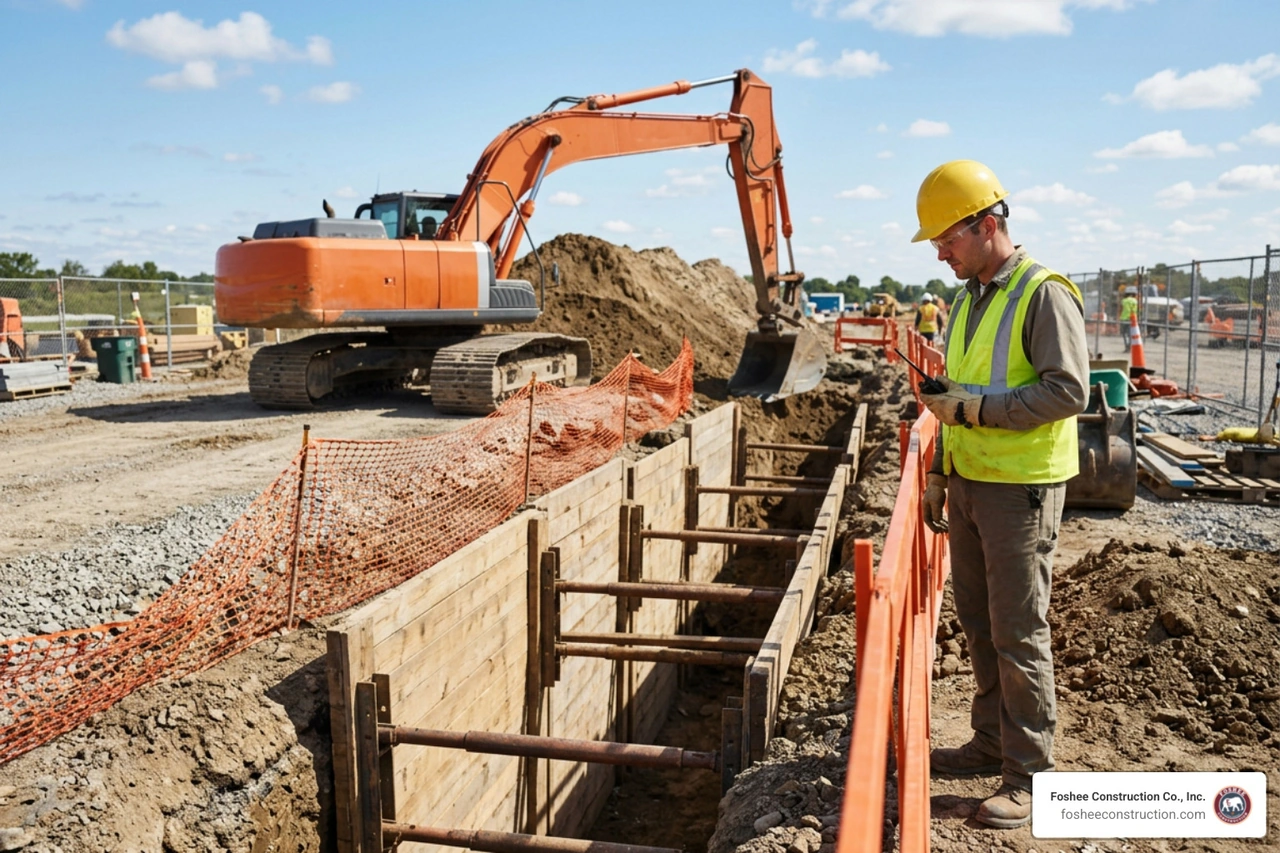
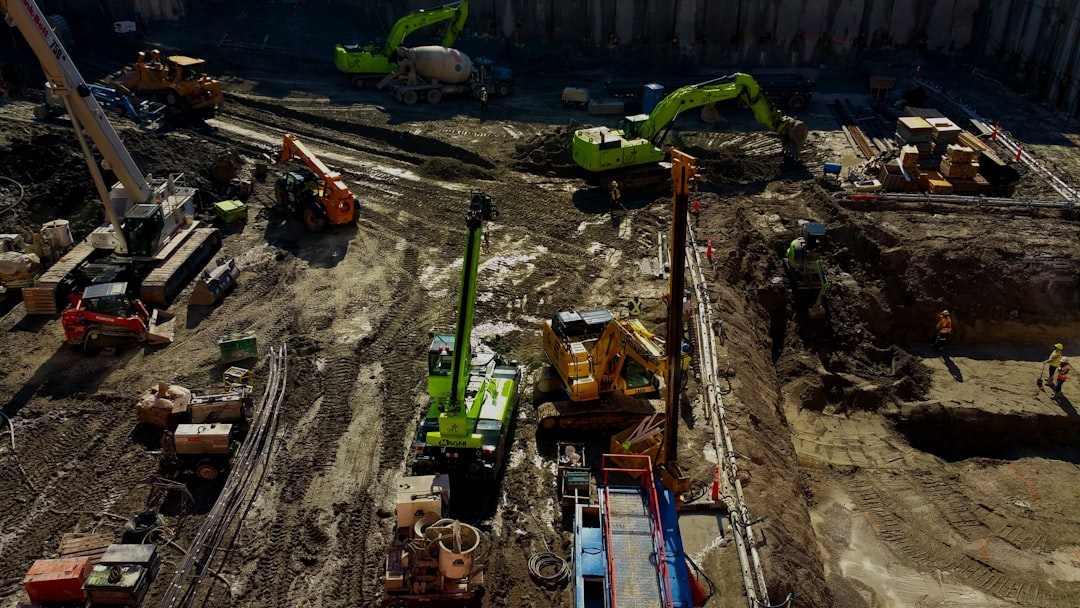
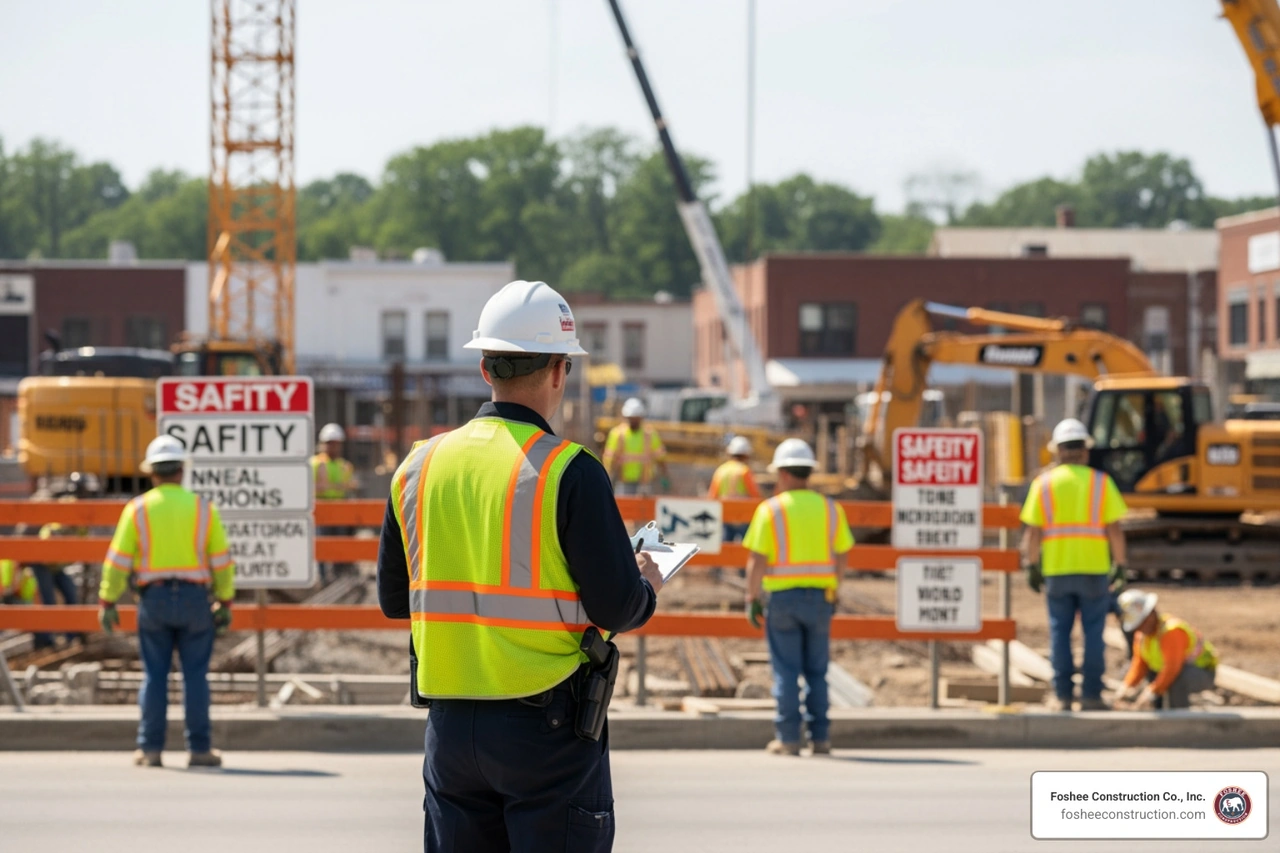
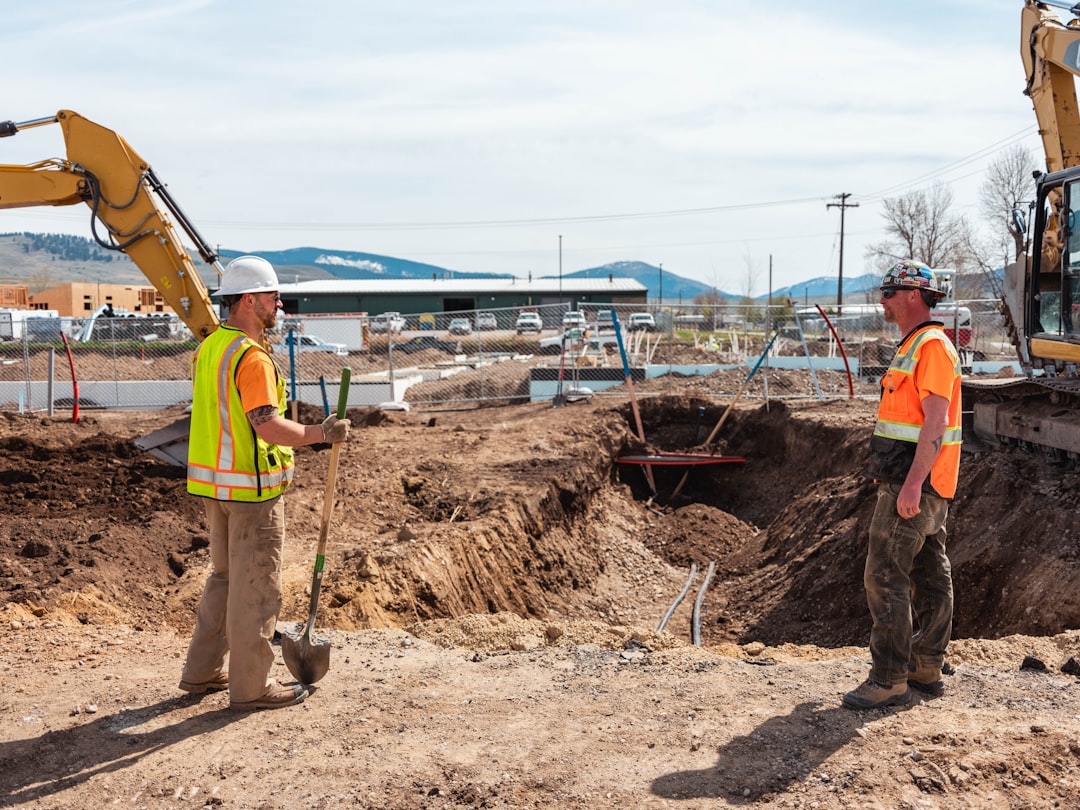
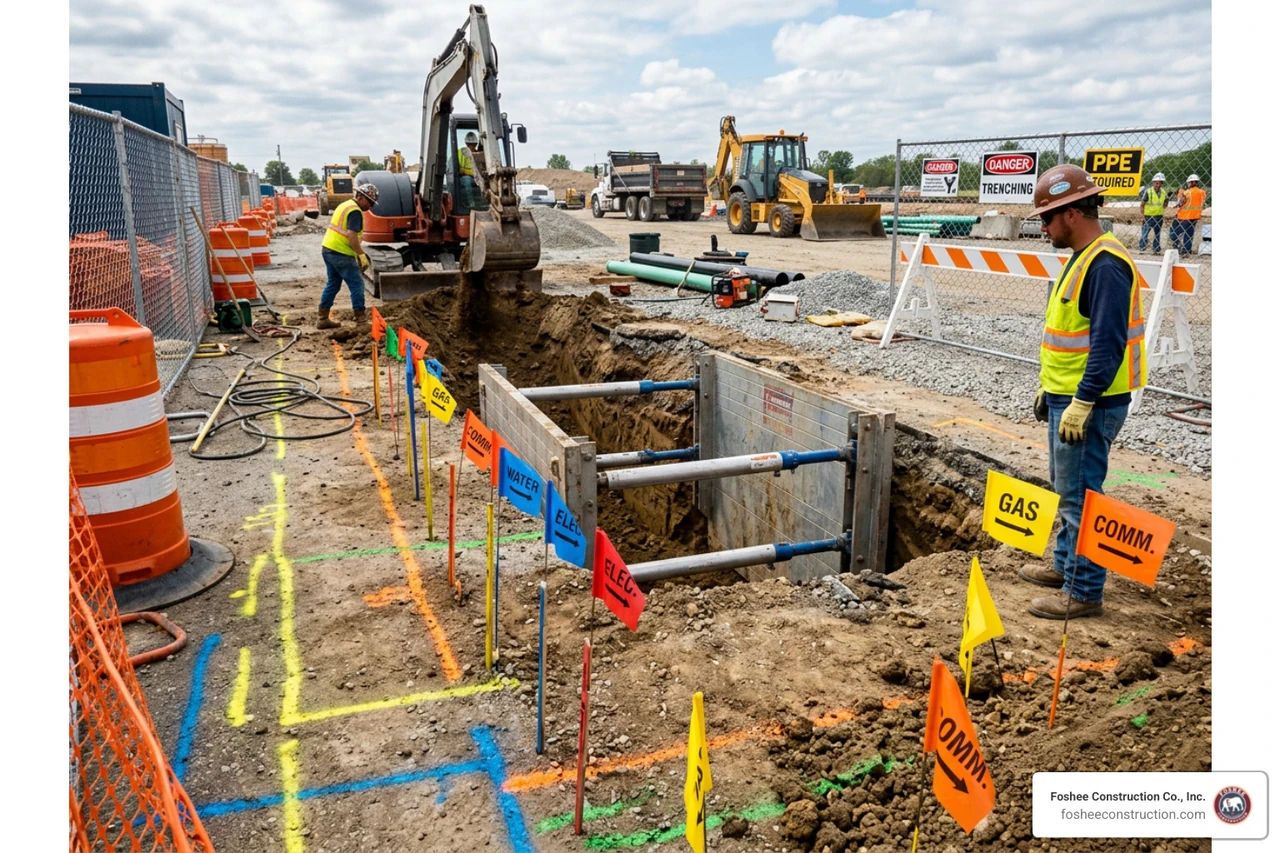
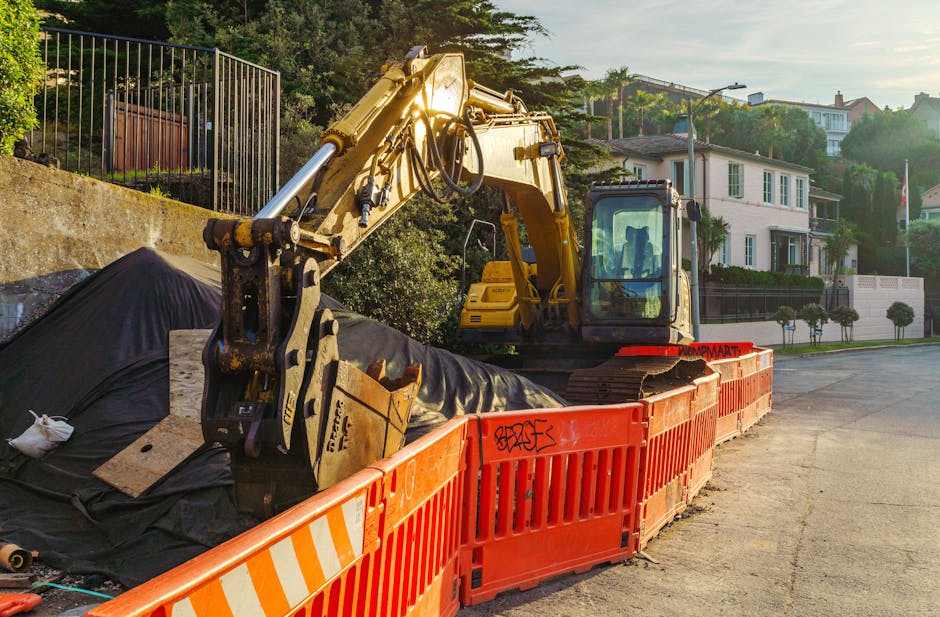
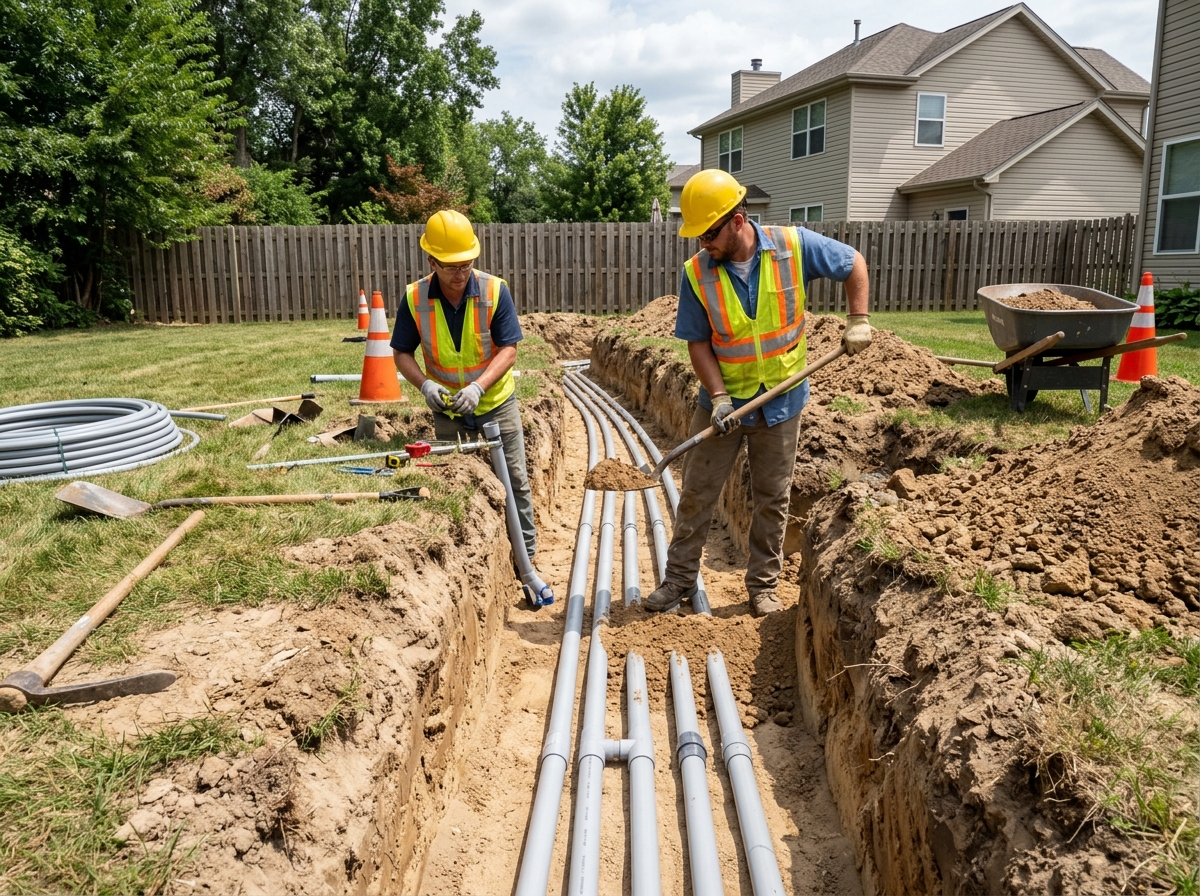
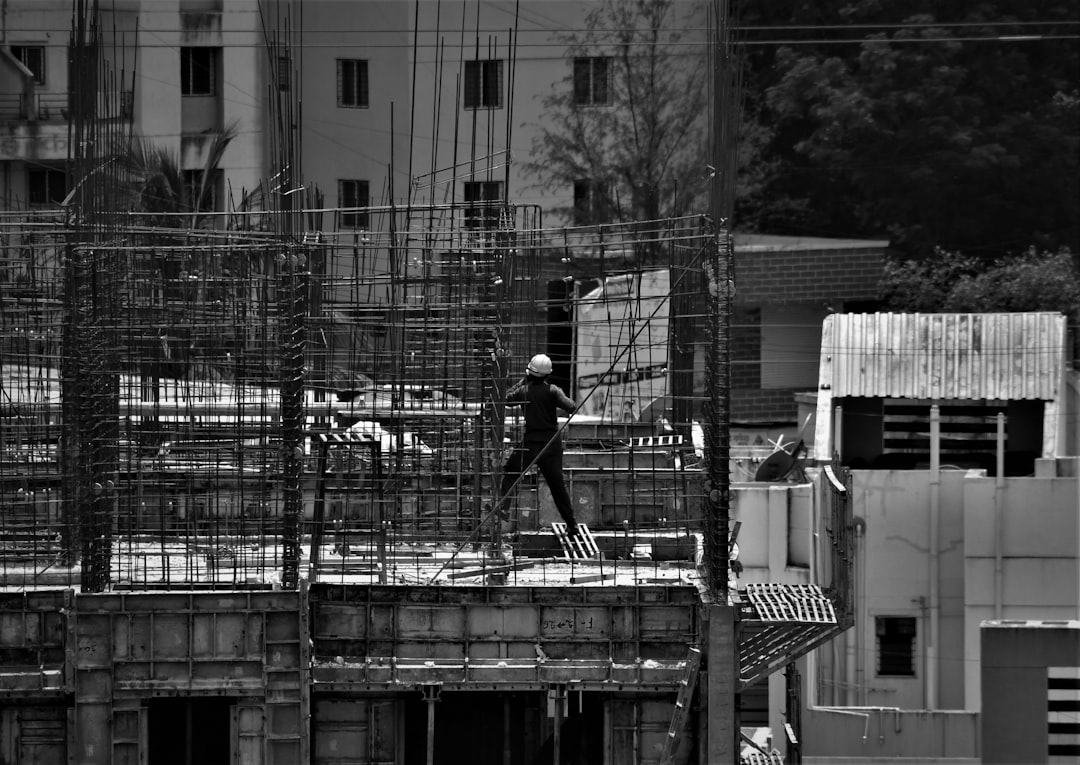
Sanitary sewer work is also some of the deepest excavation on a typical sitework project, which raises the stakes on trench safety. Deep manholes and lift station wet wells require trench boxes, shoring, and confined-space protocols that shallower utility work doesn't. Foshee builds this into the schedule and safety plan up front rather than treating deep excavation as a variation on standard trenching.
Each has a different failure mode. Gravity sewer is about slope accuracy over distance, force main is about pressure and pump matching, and a lift station is about coordinating civil, mechanical, and electrical work in the right order. Planning them together as one generic "sanitary scope" tends to miss the specifics of each.
It requires three different trades — civil, mechanical, and electrical — to hit the site in the right sequence. If any one of them runs ahead or behind, the others often end up waiting or reworking.
Fixture counts, potential specialized waste considerations, and tie-in coordination with the broader utility plan tend to carry more weight on commercial and medical projects, where the sanitary system has to support a very different daily use pattern than a single-family home.
Depth. Manholes and lift station wet wells often require trench boxes, shoring, and in some cases confined-space entry protocols that shallower utility trenches don't need.
Sanitary sewer, force main, and lift station work rewards specificity. Treating each component as its own planning problem, with its own failure points and its own coordination needs, is what keeps a deep utility scope from becoming the item that holds up the rest of the project.
Foshee Construction has installed sanitary sewer, force main, and lift station infrastructure across Central Florida since 1994. To talk through a utility scope, start with the Foshee contact page.
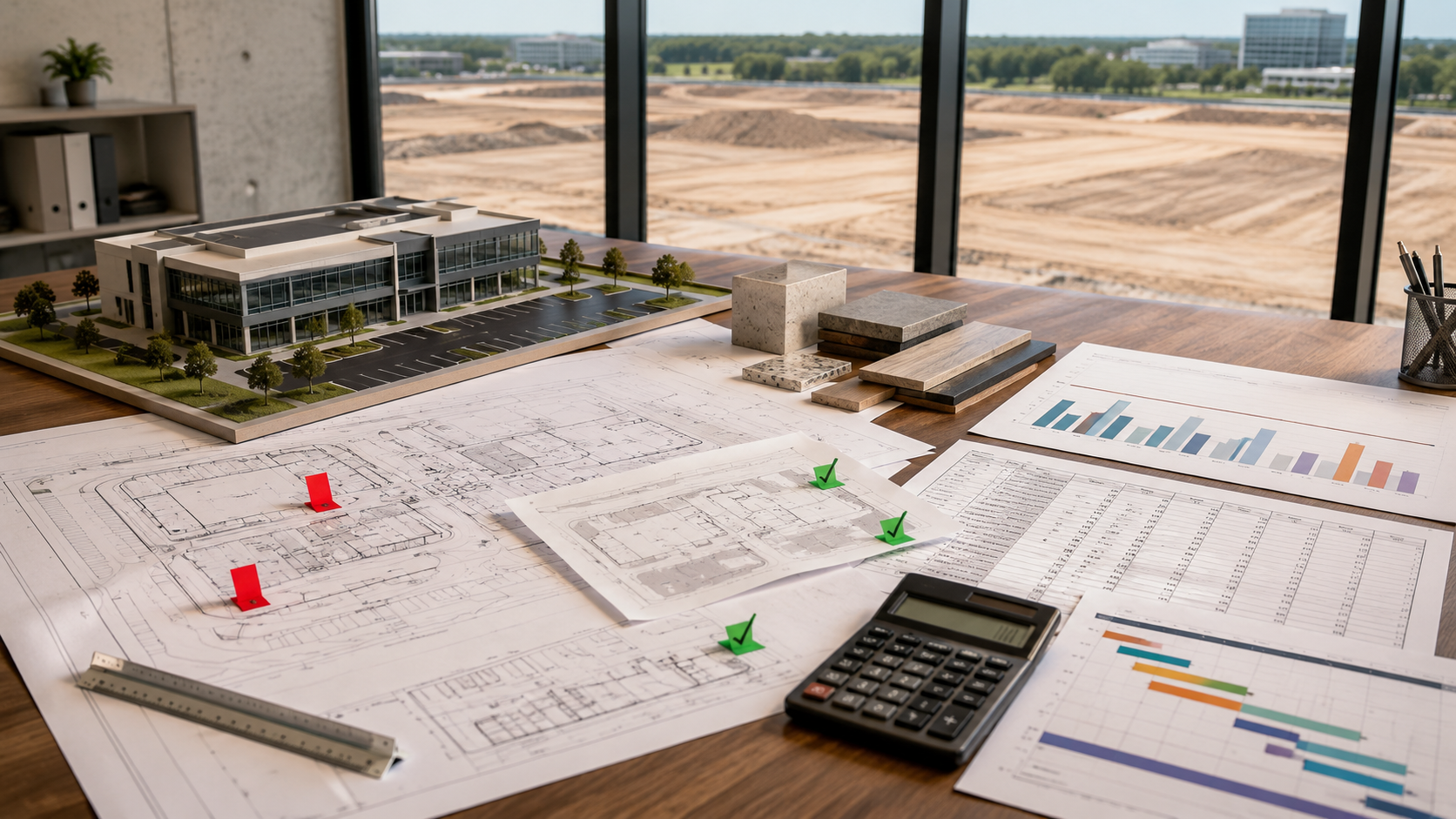
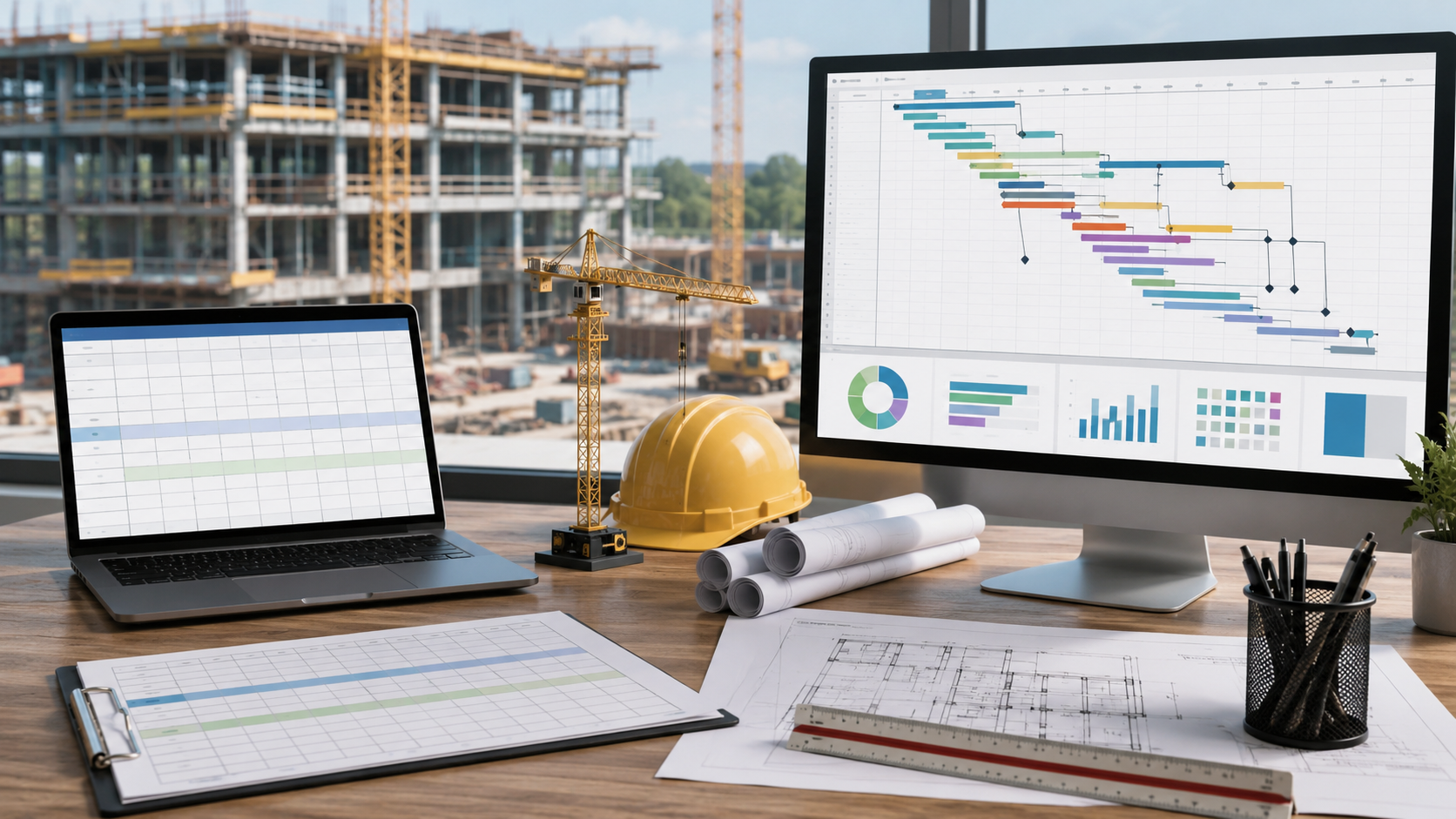
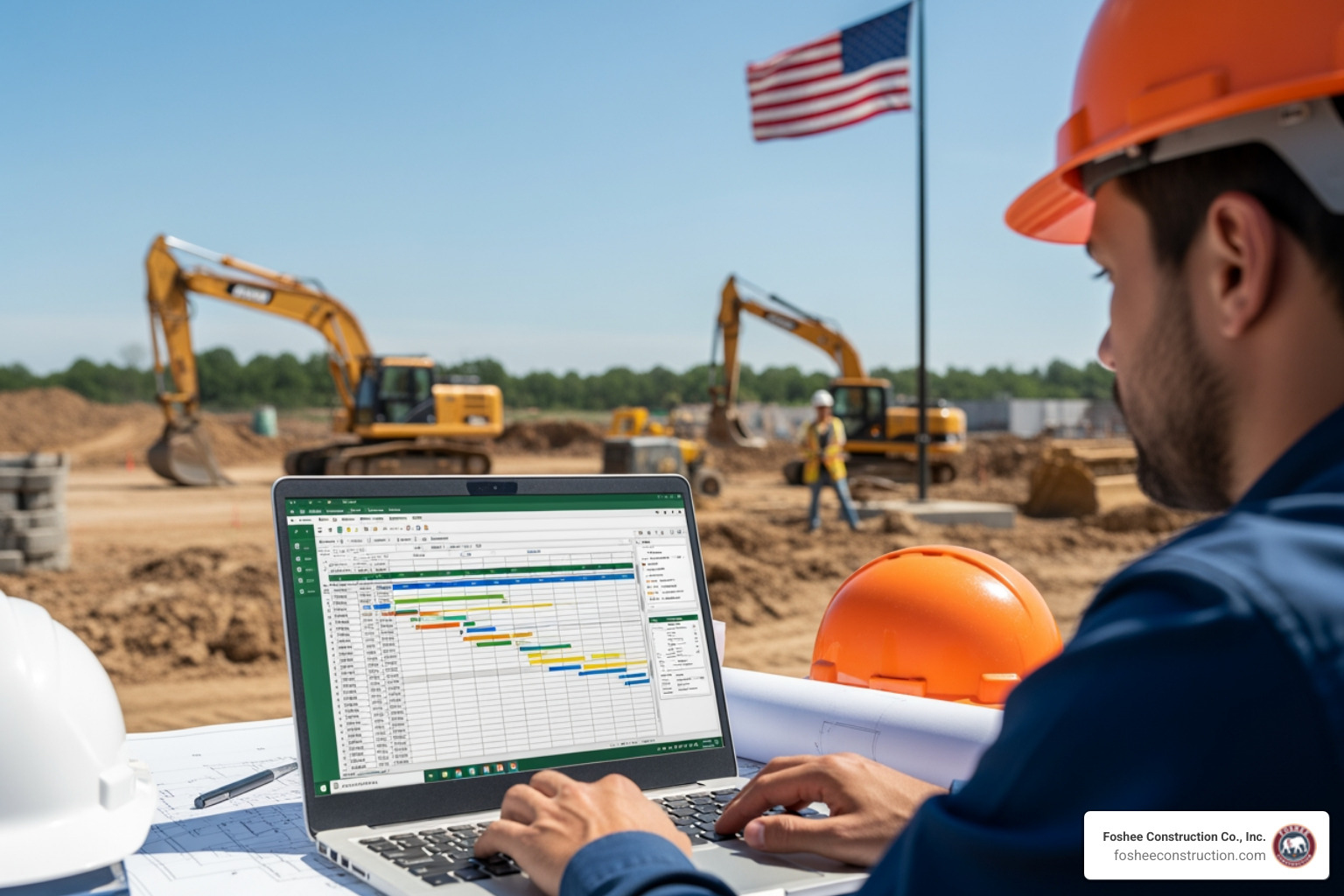
We build bids using HeavyBid and AGTEK because the details matter long before the job starts. When the numbers are accurate and the scope is clearly defined, it sets the tone for how the entire project runs. Estimating isn’t just a step in the process, it’s the foundation we build on.
That same mindset carries into the field. Our crew is trained to work with purpose, follow the Civil Engineers’ Plan to the finest detail, and hold the line on quality. When expectations are clear from day one, there’s no need for shortcuts, and no confusion about how the work gets done.
Clients trust our bid packages because they’re complete and ready to use. Project managers know what we’re covering, what’s excluded, and how we plan to approach the job. That clarity removes friction and lets teams focus on execution instead of interpretation.
As part of our review process, we go into the plans before anything hits the site. We ask the questions early, resolve issues before they show up in the field, and keep RFIs moving. This approach prevents delays and protects the timeline.
Over time, that consistency builds trust. Many of the people we work with today came through referrals from past projects – engineers, GCs, and superintendents who’ve seen how we operate and want the same experience again.
In 2024, Foshee Construction was acquired by Saga Infrastructure Solutions, a national network of civil construction companies. Saga supports regional contractors by giving them access to better tools, long-term resources, and operational backing, without changing how they run day to day.
Foshee will continue to operate under its name, with the same team and field leadership in place.
“From the very time a project starts, we start that partnership. We try to catch as much as we can with the tools that we have. Not everybody is using the software platforms we are. That’s the differentiator: we’re not just bidding. We’re anticipating, problem-solving, and making sure the job runs right.”
— Don, CEO, Saga Infrastructure Solutions
Foshee is now part of a broader regional strategy that includes Florida, the Piedmont Atlantic, Texas, Colorado, and the Arizona Sun Corridor. The name, crews, and standards remain. What’s improving is the support behind it.